Short Answer
Embarking on a journey through the symbolic waters of tarot, the Ship card emerges as a powerful emblem of voyage, transformation, and escape. Whether you’re navigating life’s tumultuous seas or seeking a metaphorical lifeboat from daily routines, the Ship tarot card offers profound insights into movement, change, and the human spirit’s resilience. In this guide, you’ll explore the multifaceted meanings of the Ship in tarot, from literal travel to psychological liberation, uncovering why this archetype resonates so deeply across cultures and eras. By the end, you’ll understand not just what the Ship represents, but why its imagery captivates the imagination—and how it might reflect your own path forward.
The Ship as a Symbol of Voyage: Literal and Metaphorical Journeys
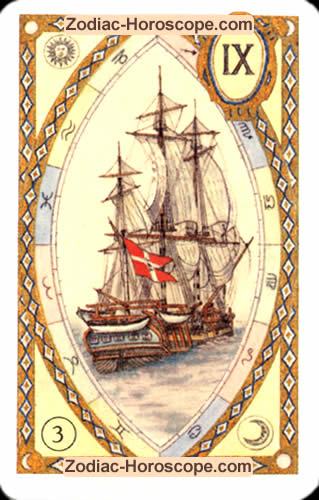
The Ship tarot card, often associated with the Major Arcana’s “The Star” or minor arcana suits like Cups or Wands, is a universal symbol of travel and transition. In its most straightforward interpretation, the card represents physical journeys—crossing oceans, relocating to new cities, or embarking on adventures. Yet its power lies in its metaphorical depth. A Ship isn’t just a vessel; it’s a microcosm of life itself, where passengers must adapt to shifting winds, unpredictable waves, and the vast unknown beyond the horizon. This duality explains why the Ship resonates with anyone facing change, whether voluntary or forced.
Historically, ships have been tied to exploration and discovery, from ancient mariners charting uncharted waters to modern-day travelers seeking new horizons. In tarot, the Ship amplifies this symbolism, suggesting that every journey—whether a weekend getaway or a life-altering move—carries the potential for growth. The card’s imagery often includes sails billowing with wind, oars dipping into water, or a lone figure steering through stormy seas. These details underscore the interplay between human agency and the uncontrollable forces of nature, a theme that mirrors life’s unpredictable yet navigable challenges.

Escape as a Theme: Why the Ship Represents Liberation
Beyond physical travel, the Ship tarot card frequently embodies the concept of escape—a desire to break free from constraints, whether emotional, social, or circumstantial. This interpretation is particularly compelling in today’s fast-paced world, where burnout and routine can feel like anchors dragging us down. The Ship offers a lifeline: the promise that movement, whether literal or symbolic, can restore balance. In tarot spreads, the Ship often appears when the querent is yearning for change, signaling that it’s time to set sail toward new opportunities or perspectives.
Psychologically, the Ship can represent the subconscious mind’s yearning for autonomy. Carl Jung’s theories on archetypes highlight how water and vessels frequently symbolize the unconscious, with the Ship acting as a bridge between the known and unknown. When the Ship appears in a reading, it may hint at an inner call to explore uncharted emotional territories or to leave behind limiting beliefs. For instance, someone stuck in a stagnant relationship or career might draw the Ship as a nudge to “set sail” toward unfamiliar but potentially fulfilling paths. The card’s association with water—an element tied to emotions and intuition—further reinforces this theme of emotional liberation.

The Ship in Tarot Decks: Variations and Cultural Nuances
Not all Ship tarot cards look the same, and their designs often reflect cultural or artistic interpretations that add layers to their meaning. In the Rider-Waite-Smith tradition, the Ship may appear in the context of the “Star” card, where a nude figure pours water from two jugs onto land and sea, symbolizing hope and renewal after a journey. Other decks, like the Thoth or Marseilles, might depict ships in stormy seas or as part of a larger narrative, such as the “Ship of Fools” motif—a cautionary tale about reckless decisions. These variations highlight how the Ship’s meaning can shift from liberation to warning, depending on its surroundings in a spread.
Culturally, ships hold different significance across traditions. In Norse mythology, ships like the Skíðblaðnir represent destiny and the cyclical nature of life, while in Chinese culture, junks symbolize prosperity and safe passage. Tarot decks that incorporate these cultural elements—such as the Chinese Oracle or Japanese decks—often infuse the Ship with additional layers of meaning, blending universal archetypes with localized symbolism. For example, a Ship adorned with lotus flowers might suggest a journey toward spiritual enlightenment, while one with dragon motifs could imply overcoming formidable challenges. Understanding these nuances can enrich a tarot reading, allowing the querent to connect more deeply with the card’s message.
Practical Applications: How to Interpret the Ship in Readings
When the Ship appears in a tarot spread, its message can be both exhilarating and daunting. To interpret it accurately, consider its position in the spread and the surrounding cards. For example, if the Ship is paired with the “Tower” (sudden change) or “Wheel of Fortune” (cycles of fate), it may indicate a disruptive but necessary journey. If it appears with “The Sun” or “Ten of Cups,” the focus might be on joyful travel or reunions. The key is to ask: What kind of voyage is this? Is it a physical trip, an emotional breakthrough, or a metaphorical escape from stagnation?
For those seeking guidance on whether to take a leap—whether it’s a career change, a move, or a personal transformation—the Ship can serve as a compass. Ask yourself: What fears are holding me back from setting sail? The card often reveals that the greatest obstacle isn’t the journey itself, but the hesitation to leave the harbor. Additionally, pay attention to the Ship’s condition in the card. Is it sturdy and well-equipped, or battered by storms? This can reflect your readiness for the voyage ahead. A damaged Ship might suggest that preparation is needed, while a sleek vessel could signal confidence in your path.
Another practical tip is to journal about the Ship’s appearance in your reading. Write down your immediate associations with the card—does it evoke excitement, anxiety, or nostalgia? These reactions can uncover subconscious desires or fears tied to change. Over time, you may notice patterns in how the Ship manifests in your life, whether as a recurring theme in dreams or a frequent topic in your thoughts. This self-reflection can turn the card from a mere symbol into a tool for navigating life’s transitions.
Conclusion
The Ship tarot card is far more than a simple image of a vessel cutting through waves; it is a mirror reflecting humanity’s eternal dance with change, freedom, and the unknown. Whether it appears as a call to adventure, a warning against recklessness, or a promise of renewal, its message is clear: movement is inherent to growth. The fascination with ships in tarot—and in human culture at large—stems from their dual nature as both conquerors of the sea and humble vessels at its mercy. They remind us that while we cannot control the tides, we can learn to steer our own course.
Next time the Ship graces your tarot spread, pause to consider what voyage it’s inviting you to undertake. Is it a literal trip, a metaphorical escape, or an inner journey toward self-discovery? Whatever the answer, trust that the Ship carries not just the potential for change, but the wisdom to navigate it. After all, every great voyage begins with a single step—or in this case, a single sail unfurled to the wind.
FAQ
What does the Ship tarot card mean in a reading?
It signifies a journey or transition, encouraging movement towards new opportunities or emotional liberation.
How is the Ship card interpreted differently in various tarot decks?
Different decks may depict the Ship with cultural or artistic variations, influencing its meaning from hope and renewal to warning or caution.
Can the Ship tarot card indicate escape or avoidance?
Yes, it can represent the desire to escape constraints but also serves as a call to face change courageously.
Is the Ship card linked to any psychological concepts?
It relates to Jungian archetypes, symbolizing the subconscious and the journey toward self-discovery.
What should I consider when the Ship card appears with other cards?
Look at surrounding cards to determine if the journey is positive, disruptive, or transformative, such as when paired with The Tower or The Sun.
Leave a Reply