Short Answer
Welcome to a deep exploration of the powerful metaphors and compelling narratives surrounding the themes of Storm Storyteller and Stand Your Ground. In this guide, you’ll uncover the intricate layers of resilience, defiance, and transformation that these concepts embody. Through vivid imagery, thought-provoking language, and real-world examples, you’ll gain insights into how these metaphors resonate in literature, art, and personal philosophy. Whether you’re a writer, artist, or simply someone seeking inspiration, this guide will illuminate the unique appeal and enduring relevance of these themes.
The Metaphor of the Storm: A Symbol of Unyielding Power
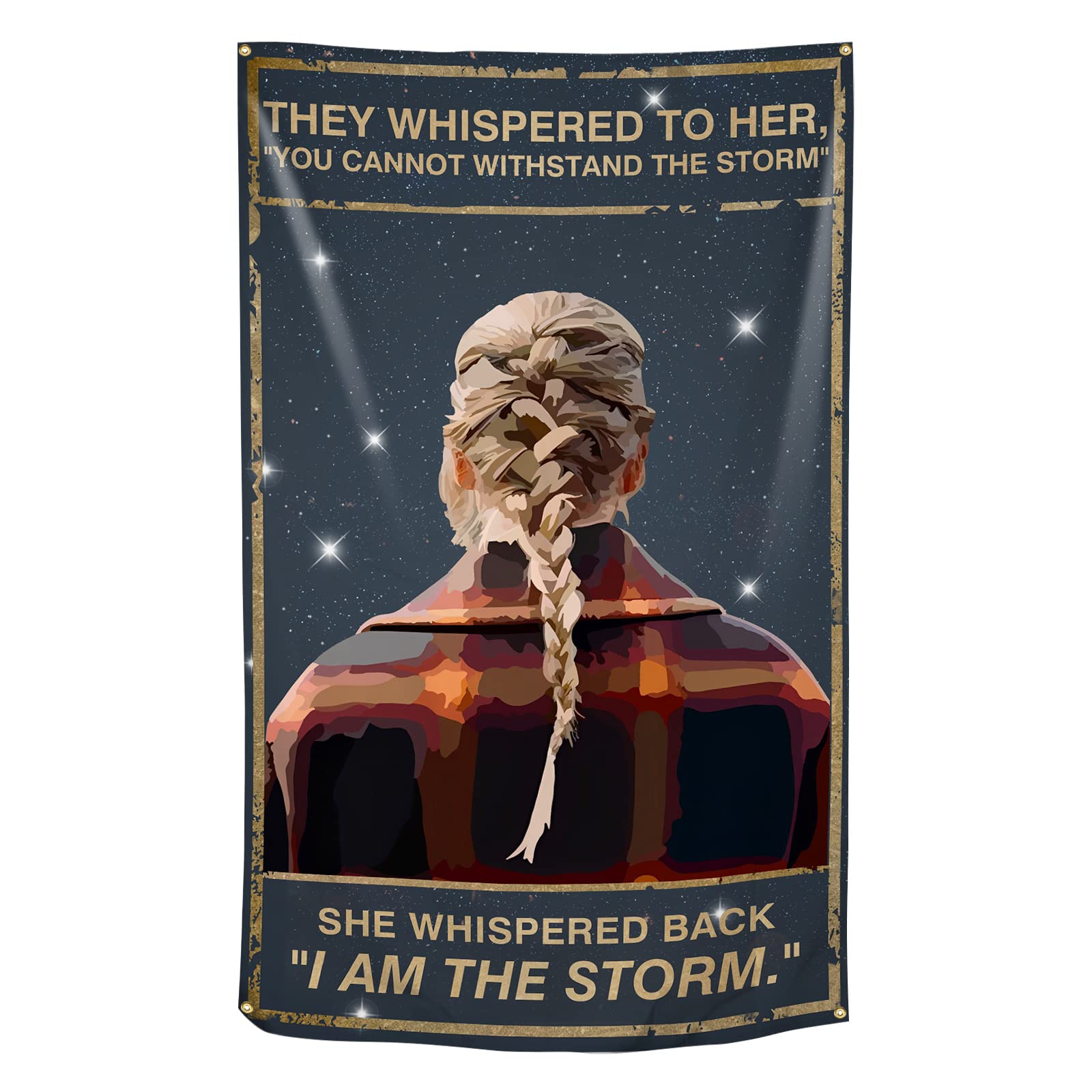
The storm has long served as a potent metaphor in storytelling, representing chaos, challenge, and the relentless forces of nature. Yet, it is also a symbol of renewal and transformation. When we speak of a Storm Storyteller, we evoke the image of someone who not only witnesses the storm but also harnesses its energy to craft narratives that inspire and empower. This metaphor transcends literal weather; it embodies the idea of facing adversity with courage and turning turmoil into art.
The storm’s unpredictability mirrors life’s uncertainties, while its raw power reminds us of our own resilience. A Storm Storyteller doesn’t shy away from the tempest but instead finds meaning in its fury. They channel the storm’s energy into stories that resonate with truth, capturing the essence of struggle and triumph. This metaphor is particularly compelling in literature and art, where the storm often serves as a backdrop for characters’ internal and external battles.
Stand Your Ground: The Art of Unshakable Resolve
Stand Your Ground is more than a phrase—it’s a philosophy that speaks to unwavering determination and the refusal to be swept away by external pressures. This concept is deeply rooted in the idea of personal agency and the courage to hold firm in the face of adversity. Whether in a physical, emotional, or ideological context, standing your ground requires a blend of strength, conviction, and strategic thinking.
In storytelling, this theme often manifests as a character’s refusal to compromise their values or succumb to fear. It’s the moment when a protagonist digs in their heels, declaring, “I will not yield.” This narrative device is powerful because it resonates with universal human experiences—times when we must draw a line in the sand and defend what we hold dear. The appeal of this theme lies in its relatability; everyone has faced a moment where standing their ground was the only option.
The Fusion of Storm Storytelling and Standing Your Ground
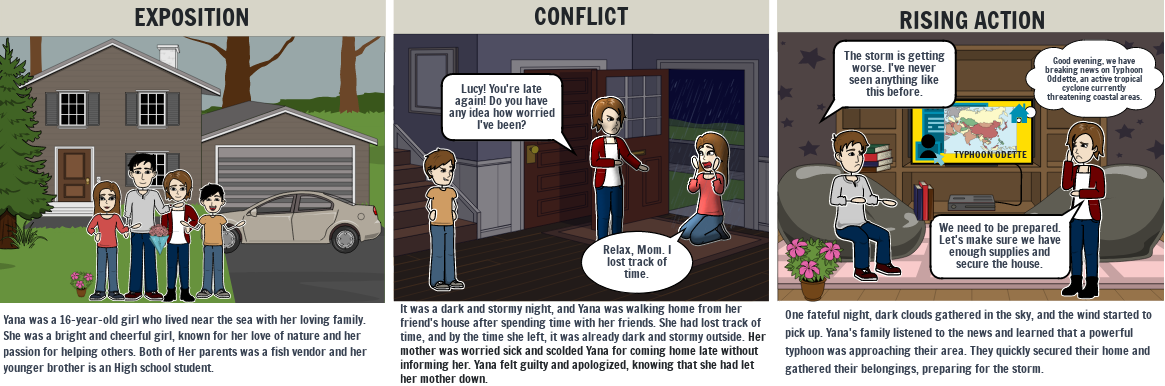
When the metaphors of the storm and standing your ground converge, they create a narrative powerhouse. The storm becomes not just a backdrop but an active participant in the story, testing the protagonist’s resolve and forcing them to stand firm. This fusion is evident in works that explore themes of survival, rebellion, and personal growth. For instance, a character who faces a literal storm while refusing to abandon their principles embodies both the chaos of the storm and the unyielding spirit of standing their ground.
This duality is also reflected in art and visual storytelling. Storyboards and illustrations often use dramatic weather to symbolize internal struggles, while the act of standing firm is depicted through body language, expressions, or symbolic gestures. The result is a multi-layered narrative that engages the audience on both an emotional and intellectual level. The storm challenges the characters, but their refusal to yield becomes the story’s triumphant core.
The Language of Resilience: Crafting Narratives That Inspire
The language used to describe the storm and the act of standing your ground is crucial in shaping the narrative’s impact. Descriptive phrases like “the storm raged within her” or “she stood unshaken by the winds of doubt” evoke vivid imagery and emotional resonance. These metaphors invite readers to draw parallels between the storm’s fury and their own challenges, making the story deeply personal and relatable.
In persuasive or motivational contexts, this language can be a call to action. Phrases like “weather the storm” or “hold your ground” serve as rallying cries, encouraging resilience and determination. The power of these metaphors lies in their ability to simplify complex emotions into tangible, actionable concepts. By framing challenges as storms and resilience as standing firm, storytellers can inspire their audience to embrace adversity with courage.
Real-World Applications: From Storytelling to Personal Philosophy
The themes of the Storm Storyteller and standing your ground extend beyond fiction into real-world applications. In leadership, for example, standing your ground might mean holding firm to a vision despite opposition, while a Storm Storyteller could be a leader who uses adversity as a catalyst for innovation. In activism, these metaphors take on a collective dimension—communities standing together against injustice, much like a forest standing firm against a storm’s onslaught.
Personal development also benefits from these concepts. Embracing the storm metaphor can help individuals reframe challenges as opportunities for growth. Similarly, the idea of standing your ground can empower people to set boundaries, assert their needs, and navigate life’s uncertainties with confidence. These metaphors are not just literary devices; they are tools for living a more resilient and purposeful life.

Why These Metaphors Resonate: The Psychology Behind the Appeal
The enduring appeal of the storm and standing your ground metaphors can be attributed to their psychological resonance. The storm taps into our primal fears of chaos and loss of control, while standing your ground addresses our need for autonomy and self-efficacy. These themes trigger a visceral response, making them universally compelling.
From a psychological standpoint, metaphors like these help us process complex emotions by providing a familiar framework. The storm becomes a tangible representation of anxiety or uncertainty, while standing your ground offers a clear path to empowerment. This duality makes the metaphors accessible and actionable, allowing individuals to externalize their internal struggles and find solutions within the narrative.
Conclusion
The metaphors of the Storm Storyteller and Stand Your Ground are more than just literary devices—they are powerful tools for understanding resilience, defiance, and transformation. Through the lens of these themes, we see how adversity can be reframed as an opportunity for growth and how unwavering resolve can turn challenges into triumphs. Whether in storytelling, art, or personal philosophy, these metaphors continue to inspire and empower, reminding us that even in the fiercest storms, we have the power to stand firm and tell our own stories.
FAQ
What does the metaphor 'Storm Storyteller' mean?
The 'Storm Storyteller' metaphor represents someone who harnesses the energy of adversity and chaos to craft inspiring and empowering narratives, symbolizing resilience and transformation.
What is the significance of 'Stand Your Ground' in storytelling?
'Stand Your Ground' symbolizes unwavering determination and courage to hold firm in the face of challenges, often representing personal agency and resolve in narratives.
How do the metaphors of storm and standing your ground work together?
Together, these metaphors create a powerful narrative dynamic where the storm tests a character's resolve, and their refusal to yield highlights themes of survival, rebellion, and personal growth.
How can these metaphors be applied beyond storytelling?
These metaphors extend to real-world contexts such as leadership, activism, and personal development, helping individuals reframe challenges as opportunities and empowering them to assert boundaries and resilience.
Leave a Reply