Short Answer
Welcome to a deep exploration of Tarot Card 13 – Death, a card that often sparks curiosity and even fear due to its ominous name. In this guide, you’ll uncover the profound metaphor behind this card, its symbolic language, and why it resonates so deeply in readings. Whether you’re a seasoned tarot enthusiast or a curious beginner, this breakdown will illuminate the transformative power of Death as an ending that paves the way for renewal. By the end, you’ll see why this card is less about literal demise and more about the inevitable cycles of change that shape our lives.
The Metaphor of Death: More Than Meets the Eye
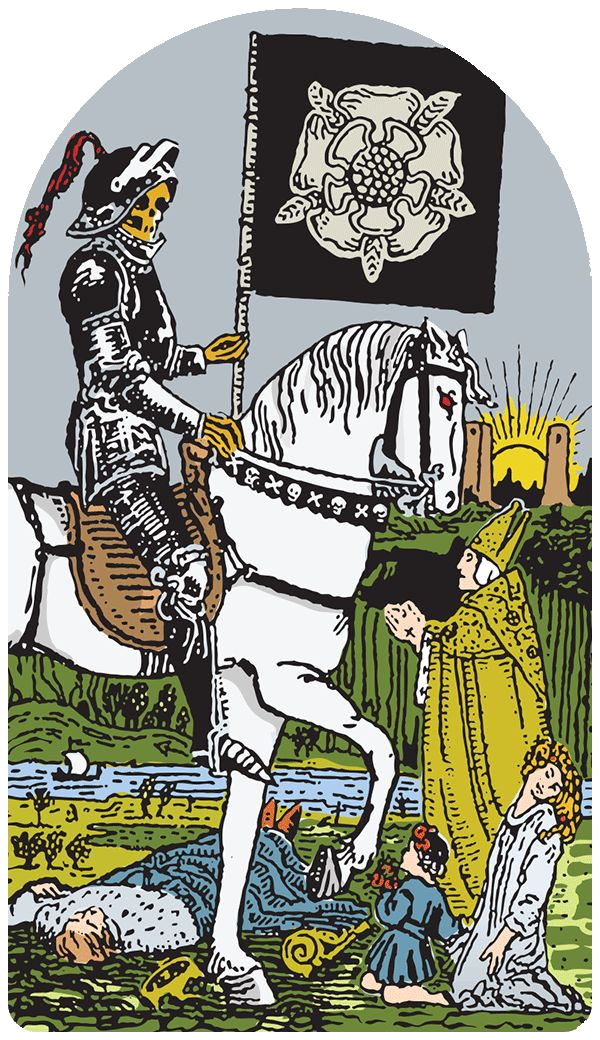
At first glance, Tarot Card 13 – Death evokes images of mortality, loss, and finality. However, the true essence of this card lies in its metaphorical depth. Death here represents transformation, release, and rebirth. It symbolizes the shedding of old habits, outdated beliefs, or stagnant phases in life to make room for growth. The skeletal figure on the card, often depicted riding a white horse, signifies purity and the inevitability of change. The rising sun in the background hints at new beginnings, reinforcing the idea that endings are merely precursors to fresh starts.
The card’s imagery is carefully crafted to convey a sense of inevitability and grace. The armored figure in the background, often interpreted as a guardian or a ruler, suggests that change is not random but a natural part of the cosmic order. This metaphor encourages us to embrace transitions rather than resist them, trusting that what feels like an ending is actually a necessary step toward evolution.
Symbolism in Tarot Card 13: Decoding the Visual Language
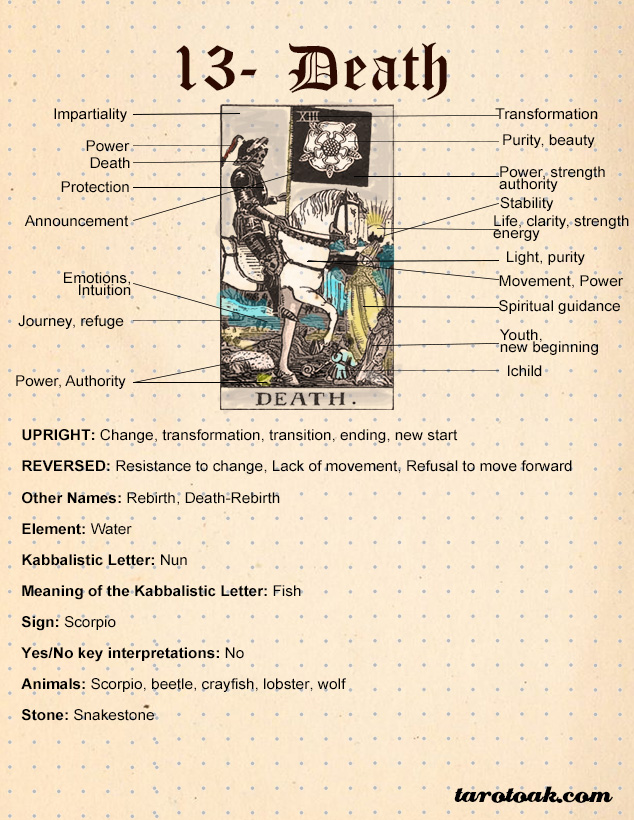
The rich symbolism of Death is what makes it one of the most intriguing cards in the tarot deck. Let’s break down its key elements:
- The Skeletal Figure: Far from being a grim reaper, this figure represents the impersonal nature of change. Death does not discriminate; it comes to all, ensuring that nothing remains static forever.
- The White Horse: A symbol of purity and the triumph of spirit over matter. The horse’s movement suggests forward momentum, indicating that transformation is an active process.
- The Rising Sun: Positioned in the background, it signifies hope and the dawn of a new era. This element reassures that every ending carries the seed of a new beginning.
- The Falling Figures:
- The Falling Figures: Often depicted as people or structures crumbling, these represent the letting go of the past. They remind us that resistance to change only leads to suffering, while acceptance allows for renewal.
- The Armored Figure: Sometimes interpreted as a bishop or a king, this figure symbolizes the unchangeable laws of life and death. It suggests that transformation is not a punishment but a universal truth.
Each of these symbols works together to paint a picture of controlled chaos—a necessary upheaval that clears the way for something greater. The card’s stark imagery serves as a visual reminder that growth often requires destruction of the old to make space for the new.
Death in Readings: What It Really Means
When Death appears in a tarot spread, it rarely signifies physical death. Instead, its message is about major transitions, personal reinvention, or the end of a cycle. Here’s how to interpret its presence in different contexts:
- Career: Death may indicate leaving a job, ending a business venture, or undergoing a significant career shift. It suggests that clinging to familiarity could stifle your potential.
- Relationships: This card can signal the end of a relationship—whether romantic, familial, or friendship. It’s not necessarily negative; it may mean outgrowing connections that no longer serve your growth.
- Personal Growth: Death often appears when you’re on the cusp of a breakthrough. It could be overcoming a limiting belief, healing from past trauma, or embracing a new identity.
- External Circumstances: Sometimes, Death reflects external changes like moving, financial upheaval, or societal shifts. It reminds you that adaptation is key to survival.
It’s important to note that Death is not a card of doom but a catalyst for progress. Its appearance is an invitation to reflect on what no longer aligns with your highest good and courageously step into the unknown.
The Unique Appeal of Death: Why It Captivates Us
Death stands out in the tarot deck for several reasons. First, its stark imagery and name make it unforgettable, sparking conversations and interpretations unlike any other card. Unlike the more straightforward Major Arcana cards like The Fool or The Magician, Death requires deeper reflection to uncover its true meaning.
Second, its theme of transformation resonates universally. Everyone, regardless of background, experiences loss, change, or the need to reinvent themselves. Death’s message is relatable because it mirrors the human experience of growth through adversity.
Finally, Death’s duality—its association with both endings and beginnings—makes it a card of paradox. It challenges our linear view of time and reminds us that life is cyclical. This complexity adds to its allure, making it a favorite among tarot readers who appreciate nuanced symbolism.
How to Work with Death’s Energy in Your Life
If Death appears in your reading, it’s a call to action. Here’s how you can harness its transformative energy:
- Embrace Change: Resisting transition only prolongs the discomfort. Instead, ask yourself: What is this ending preparing me for?
- Release the Past: Identify habits, relationships, or beliefs that no longer serve you. Write them down and symbolically “bury” them to honor the release.
- Set Intentions for Renewal: After acknowledging what’s ending, focus on what you want to invite into your life. Visualize the new chapter you’re stepping into.
- Practice Rituals: Create a small ritual to mark the transition, such as burning old letters, planting a seed, or meditating on what you’re leaving behind.
- Trust the Process: Death’s energy can feel unsettling, but remember that it’s a natural part of life’s rhythm. Trust that the universe is guiding you toward your highest good.
Working with Death’s energy isn’t about forcing change but about surrendering to it. It’s about recognizing that every ending is a setup for a more aligned beginning.
Common Misconceptions About Death in Tarot
Despite its clear metaphorical meaning, Death is often misunderstood. Here are some of the most common misconceptions and why they’re incorrect:
- Misconception: Death means physical death. Reality: Unless other cards in the spread strongly suggest it, Death rarely refers to literal death. It’s about metaphorical endings.
- Misconception: Death is always negative. Reality: While it marks an ending, Death is neutral. Its tone depends on surrounding cards and your perspective. It can signal liberation just as much as loss.
- Misconception: Death is avoidable. Reality: Change is inevitable, and Death reminds us of that. Trying to avoid it only delays growth.
- Misconception: Death means total destruction. Reality: Even when things fall apart, Death’s energy is about reconstruction. It’s the demolition before the rebuild.
Conclusion: The Beauty of Endings
Tarot Card 13 – Death is a masterclass in metaphor, teaching us that endings are not to be feared but revered. It challenges our attachment to permanence and invites us to see change as a natural, even beautiful, part of existence. Whether it appears in a reading or resonates with you on a personal level, Death reminds you that every conclusion is a prelude to something greater.
So the next time you encounter this card, pause and reflect: What is ready to end in my life so that something new can begin? The answer may just be the key to your next chapter of growth.
FAQ
What does the Death tarot card mean?
It represents endings, transformation, and new beginnings rather than physical death.
Is the Death card a bad omen?
No, it is a neutral card symbolizing necessary change and personal growth.
How should I interpret Death in a career reading?
It suggests significant career transitions such as leaving a job or starting a new venture.
What are common symbols on the Death card?
A skeletal figure, white horse, rising sun, falling figures, and an armored figure.
How can I work with the energy of the Death card?
By embracing change, releasing the past, setting intentions for renewal, and trusting the process.
Leave a Reply