Short Answer
In this guide, you’ll uncover the hidden wisdom behind tarot cards—where even the so-called “negative” cards carry profound lessons and unexpected blessings. Discover how each card’s energy can be reframed, how reversals shift meanings, and why no card is entirely bad. By the end, you’ll see tarot not as a tool of doom, but as a mirror reflecting life’s complexities with depth and nuance.
The Dual Nature of Tarot: Light and Shadow in Every Card
Tarot is often misunderstood as a deck of purely good or bad omens, but this binary view oversimplifies its depth. Every card exists on a spectrum—its meaning shifts with context, intention, and the reader’s interpretation. The Major Arcana’s The Tower, for instance, may signal upheaval, but it also heralds necessary transformation. Similarly, The Three of Swords in the upright position can indicate heartbreak, yet reversed, it suggests healing and emotional release. The key lies in recognizing that even the “negative” cards serve as wake-up calls, urging growth rather than despair.
Consider the metaphor of a storm: while it may uproot trees and disrupt the landscape, it also nourishes the earth and clears stagnant air. Tarot cards operate the same way—what appears destructive often paves the way for renewal. This duality is what makes tarot endlessly fascinating; it doesn’t predict fate but illuminates the path to navigate it.
Reversals: The Hidden Layers Beneath the Surface
Reversed cards are often feared as omens of misfortune, but they’re more accurately described as signals of internal resistance or untapped potential. For example, The Five of Cups upright may show grief over loss, but reversed, it can reveal resilience—acknowledging pain while choosing to move forward. The reversal doesn’t negate the card’s energy; it deepens it, asking the querent to look beyond the obvious.
Think of a reversed card as a whisper rather than a shout. It highlights areas where energy is blocked, ignored, or misdirected. The Devil reversed, for instance, might point to breaking free from toxic attachments, while The Hermit reversed could suggest isolation without purpose. These cards aren’t failures; they’re invitations to explore what’s beneath the surface.
Major Arcana: The Soul’s Journey Through Contradictions
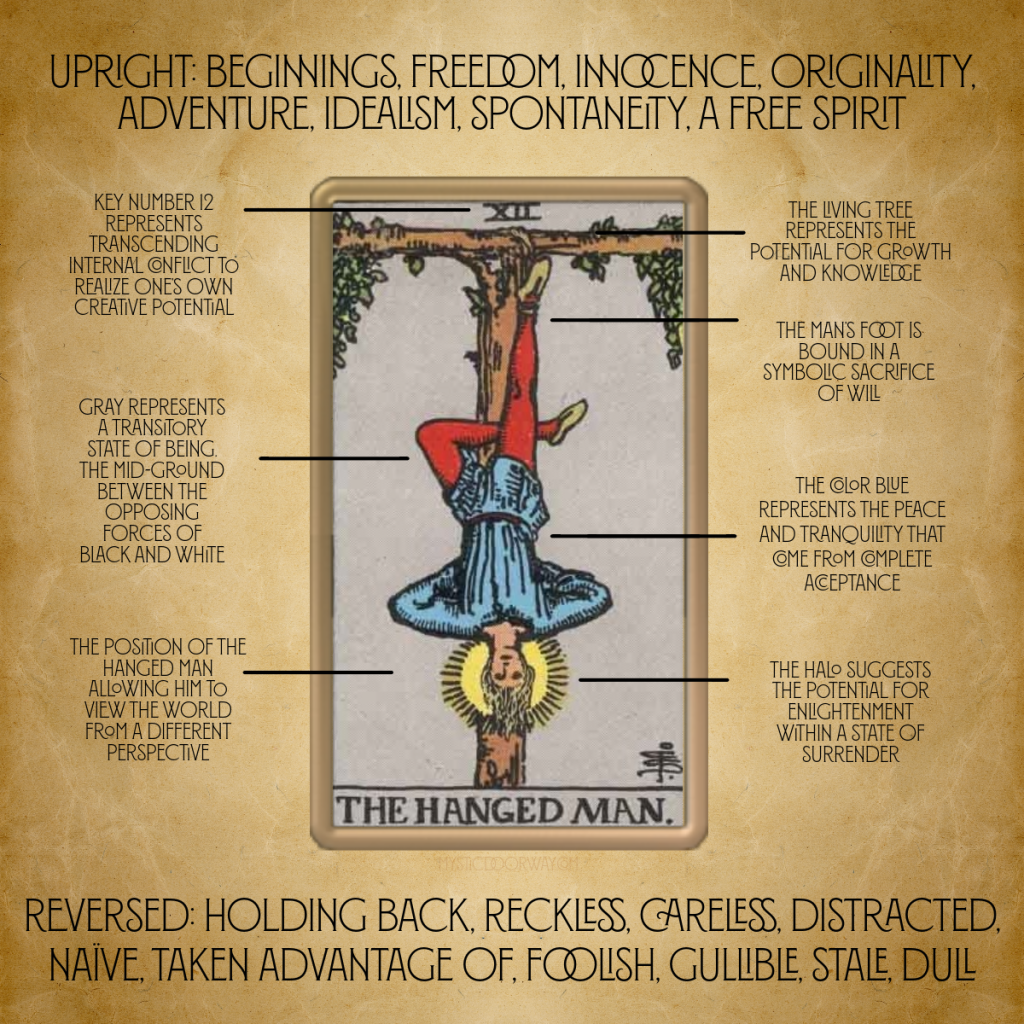
The Major Arcana cards tell a story of human experience, and no character in this narrative is purely good or evil. Death, often the most feared card, symbolizes endings that make way for rebirth—whether in relationships, careers, or personal growth. The Hanged Man may seem passive, but it represents surrender as a form of strength, a pause that leads to clarity. Even The Moon, with its themes of illusion and confusion, reminds us that not all truths are immediately visible.
Metaphorically, these cards are like seasons: winter isn’t “bad,” but it’s essential for renewal. The Major Arcana teaches that life’s contradictions are what make it rich. Without struggle, there’s no triumph; without darkness, no light. This balance is the essence of tarot’s wisdom.
Minor Arcana: Everyday Lessons in Disguise
The Minor Arcana cards—often dismissed as “less important”—are where the magic of nuance truly shines. The Three of Swords in a love reading might feel devastating, but it’s also a call to address unresolved emotions. The Nine of Wands can depict exhaustion, yet it also embodies perseverance after hardship. Even the Ten of Swords, one of the most feared cards, signals that a painful cycle is ending, making space for something new.
These cards reflect the ebb and flow of daily life. A “bad” card in the Minor Arcana isn’t a curse; it’s a spotlight on areas needing attention. The Five of Pentacles, for example, might highlight financial stress, but it also encourages seeking support or reevaluating priorities. The Minor Arcana reminds us that even in mundane moments, there’s wisdom to be found.
Court Cards: Personalities with Hidden Depths
Court cards—Pages, Knights, Queens, and Kings—are often the most challenging to interpret, especially when they appear in a “negative” context. A Knight of Swords reversed might suggest impulsiveness, but it also warns against recklessness without purpose. A Queen of Cups reversed could indicate emotional overwhelm, yet it’s also a reminder to set boundaries without shutting down empathy.
These cards are like mirrors to our own behaviors and those around us. They don’t judge; they reflect. A “difficult” Court card invites introspection: Are you being too rigid? Too passive? Too critical? The answers lie in the card’s energy, not in its perceived “goodness” or “badness.”
Practical Tips for Reframing “Negative” Cards
1. **Ask Open-Ended Questions**: Instead of “Will this situation be bad?” ask, “What lesson is this situation teaching me?” This shifts the focus from fear to curiosity.
2. **Look for the Gift**: Every card, no matter how challenging, offers a gift. The Tower brings clarity; The Ten of Swords offers closure. Identify the silver lining.
3. **Consider the Timing**: A “bad” card in the past may have been necessary for growth. In the present, it could signal a turning point. Context is everything.
4. **Journal the Contradictions**: Write about how a card’s “negative” aspect might also be its strength. For example, The Hermit’s solitude can be both lonely and enlightening.
Conclusion
Tarot is not a crystal ball predicting doom or fortune—it’s a dynamic tool that reflects life’s complexities with poetic precision. The cards don’t exist in black and white; they thrive in the gray, where growth and challenge intertwine. By embracing the full spectrum of each card’s meaning, you transform tarot from a source of anxiety into a guide for resilience and insight.
Next time you draw a card that feels ominous, pause and ask: What is this card trying to teach me? The answer may surprise you. In the world of tarot, there are no truly bad cards—only unopened doors waiting to be walked through.
FAQ
Are tarot cards inherently good or bad?
No, tarot cards are not inherently good or bad. Their meanings depend on context, intention, and interpretation, with each card offering both positive and negative lessons.
What do reversed tarot cards signify?
Reversed tarot cards often indicate internal resistance, blocked energy, or untapped potential rather than simply bad omens.
How can I reframe the meaning of 'negative' tarot cards?
You can reframe negative cards by asking open-ended questions, looking for the gifts within challenges, considering the timing, and journaling contradictions.
Why is the Major Arcana important in tarot?
The Major Arcana cards represent the soul’s journey and life’s contradictions, highlighting transformative and essential experiences.
What lessons do Minor Arcana cards offer?
Minor Arcana cards reflect everyday life challenges and opportunities for growth, emphasizing that difficulties are often calls for attention and change.
Leave a Reply