Short Answer
Welcome to this comprehensive guide exploring the intriguing concepts of The Martyr and The Mask. Whether you’re a storyteller, game master, or simply fascinated by symbolic duality, this article will delve into their meanings, applications, and the playful challenges they present. By the end, you’ll have a deeper understanding of how these themes can enrich narratives, character development, and even real-life introspection. Let’s uncover the layers behind these compelling ideas.
The Martyr: Sacrifice and Purpose
The Martyr embodies selflessness, often sacrificing personal gain or even life for a cause, belief, or the greater good. This archetype transcends cultures and eras, appearing in myths, religious texts, and modern storytelling. A martyr is not merely a victim; they are a deliberate choice-maker, driven by conviction. Their actions inspire others, creating a ripple effect of dedication and resilience.
In storytelling, martyrs serve as catalysts for change. Consider characters like Joan of Arc or modern-day activists who risk everything for justice. Their narratives often highlight the tension between personal desires and collective responsibility. For writers, crafting a martyr requires balancing their nobility with flaws—no one is perfect, and even the most selfless figures may grapple with doubt or resentment.
Beyond fiction, the idea of martyrdom can be a personal challenge. How far would you go for a belief? This question invites introspection about priorities, ethics, and the weight of conviction. It’s a theme that forces us to confront our own limits and the values we hold sacred.
The Mask: Identity and Deception
The Mask represents duality—the public face we present versus the hidden self. It’s a symbol of transformation, protection, or even deception. Masks appear in rituals, theater, and everyday life, from social media personas to professional facades. They allow us to navigate different roles, but they can also obscure authenticity, leading to existential questions: Who are we beneath the mask? When does it become a prison?
In mythology, masks often signify power or danger. Think of the Greek god Dionysus, whose followers wore masks to embody his chaotic spirit, or the Venetian carnival tradition, where anonymity unleashes liberation—or corruption. Literature brims with masked figures, from the Phantom of the Opera to superhero alter egos like Batman. These characters challenge us to consider the balance between performance and truth.
For individuals, the mask metaphor extends to societal expectations. How much of ourselves do we hide to fit in? This question becomes a playful yet profound challenge: Can you remove your mask, even for a moment, and embrace vulnerability? The act of shedding a mask—whether in art, conversation, or self-reflection—can be liberating, but it’s rarely easy.
The Playful Challenge: Duality in Action
Now, here’s a challenge to bring these themes to life: Create a character or scenario that embodies both The Martyr and The Mask. How would their story unfold? For example:
- A revolutionary leader who wears a mask to protect their identity but sacrifices their safety for their cause.
- A performer who hides their pain behind a dazzling stage persona, only to reveal their martyrdom in a moment of raw honesty.
- A historical figure whose public image as a hero masks a private struggle with guilt or doubt.
This exercise isn’t just for writers—it’s a mental game for anyone. Observe people around you: Who seems to wear a mask, and who might be a martyr in disguise? The challenge lies in recognizing these roles without judgment, appreciating the complexity they add to human experience.
For a deeper dive, try swapping roles. Spend a day acting as a martyr—helping others without seeking recognition—and then another day wearing a metaphorical mask, observing how it feels to hide parts of yourself. The insights gained could be surprising.
The Intersection: When Martyrdom and Masks Collide
The most compelling narratives often weave The Martyr and The Mask together. Consider a character who sacrifices their identity for a cause, only to realize they’ve lost themselves in the process. Or a martyr whose public persona becomes a mask, hiding their true motivations or exhaustion. This intersection creates tension, drama, and depth.
In real life, this collision is visible in movements where leaders become symbols. Their faces are plastered on banners, their words repeated like mantras—but who are they behind the mask? The martyr’s journey can become a performance, blurring the line between devotion and self-erasure. This duality raises ethical questions: Is true sacrifice possible when it’s performative? Can a mask ever be a tool for good, or does it inevitably distort?
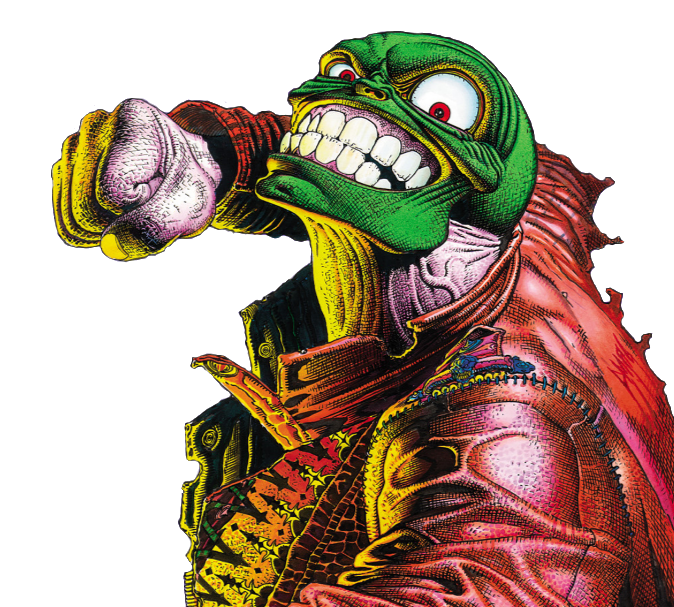
Artists and creators often explore this theme. Take the image of The Mask Render by KnifeOrSomething (shown below), which depicts a figure shrouded in a mask-like form. The design evokes mystery and power, but also fragility—the mask could be a shield or a cage. Such imagery invites viewers to project their own interpretations, making it a perfect visual metaphor for the themes at hand.
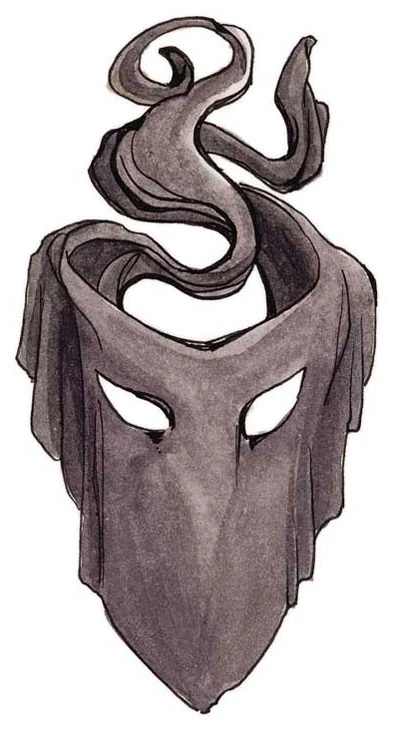
Another example is the symbol of Mask from Forgotten Realms (shown below), which represents a deity associated with thieves and deception. This mask isn’t just an object; it’s a tool of transformation, reflecting the dual nature of its wearer—both hidden and revealed. Such symbols remind us that masks can be empowering, dangerous, or both, depending on their context.
Conclusion
The Martyr and The Mask are more than abstract concepts—they are mirrors held up to human nature. The Martyr challenges us to examine our capacity for sacrifice, while The Mask invites us to explore the personas we adopt and the truths we conceal. Together, they form a dynamic duo that can enrich stories, spark self-reflection, and even inspire real-world actions.
Whether you’re crafting a narrative, analyzing a historical figure, or simply pondering your own life, these themes offer endless avenues for exploration. The playful challenge of embodying both roles—even temporarily—can reveal unexpected insights about identity, purpose, and the masks we all wear. So, the next time you encounter a character shrouded in mystery or a story of selfless devotion, ask yourself: What lies beneath the surface? And what would you do if your mask became your truth—or your undoing?
FAQ
What does The Martyr symbolize?
The Martyr symbolizes selflessness and sacrifice for a cause, driven by conviction and often inspiring others.
What is the meaning of The Mask archetype?
The Mask represents the duality between our public persona and hidden self, embodying transformation, protection, or deception.
How can these archetypes be applied beyond storytelling?
They offer frameworks for personal reflection on identity, values, and the roles we play in society.
Why is the combination of The Martyr and The Mask significant?
Their intersection reveals the complexity of sacrifice and identity, often leading to tension between authenticity and performance.
Leave a Reply