Short Answer
Have you ever wondered why some tarot readers seem to pull profound insights from their cards while others struggle to move beyond surface-level interpretations? The secret language of tarot is far more nuanced than most guides reveal. In this comprehensive exploration, you’ll uncover the hidden layers of tarot symbolism, the psychological undercurrents that shape readings, and the unspoken rules that separate casual practitioners from true masters. Whether you’re a beginner seeking clarity or an experienced reader looking to deepen your craft, this guide will transform how you engage with the cards forever.
The Hidden Symbolism Behind Every Card
Tarot cards are packed with symbols that carry centuries of esoteric wisdom, but their meanings extend far beyond traditional interpretations. Each card in the Major Arcana, for example, tells a story through its imagery—The Fool’s leap into the unknown, The High Priestess’ veil between worlds, or The Tower’s sudden upheaval. These aren’t just static images; they’re visual metaphors for life’s most profound lessons. Minor Arcana cards, too, hold layers of meaning in their suits: Cups for emotions, Swords for intellect, Pentacles for material reality, and Wands for creativity. The key to unlocking these symbols lies in understanding their historical context, cultural influences, and the universal archetypes they represent. For instance, The Chariot isn’t just about victory—it’s about harnessing opposing forces to move forward, a concept rooted in alchemical traditions.

The Psychological Layers of Tarot Readings
Tarot isn’t just a tool for divination—it’s a mirror for the subconscious mind. Carl Jung’s theories on archetypes and the collective unconscious directly align with tarot’s structure, making it a powerful psychological instrument. When a reader pulls The Hermit, they’re not just seeing isolation; they’re tapping into the universal human experience of introspection and seeking inner wisdom. Similarly, The Devil card often reflects shadow aspects of the self—those repressed desires or fears that influence behavior without conscious awareness. Advanced readers use tarot to bypass the ego’s defenses, revealing truths the querent may not even realize they’re hiding from themselves. This psychological depth is why tarot can feel so uncannily accurate, even when the cards seem to defy literal interpretation.
Unspoken Rules of Tarot Etiquette
Every tarot reader develops their own set of unspoken rules, but there are universal principles that separate respectful practice from careless dabbling. One of the most critical is the concept of intentionality—the energy you bring to a reading shapes its outcome. Pulling cards absentmindedly or without a clear question dilutes their power. Another key rule is respecting the querent’s free will. While tarot can highlight potential paths, it’s not a tool for control. Ethical readers avoid phrases like “This will definitely happen” and instead frame cards as possibilities. Additionally, the physical act of shuffling matters: how you handle the deck, whether you cleanse it energetically, and even the direction you fan the cards all carry symbolic weight. These nuances might seem trivial, but they’re the difference between a superficial reading and a transformative experience.
Advanced Spreads for Deeper Insights
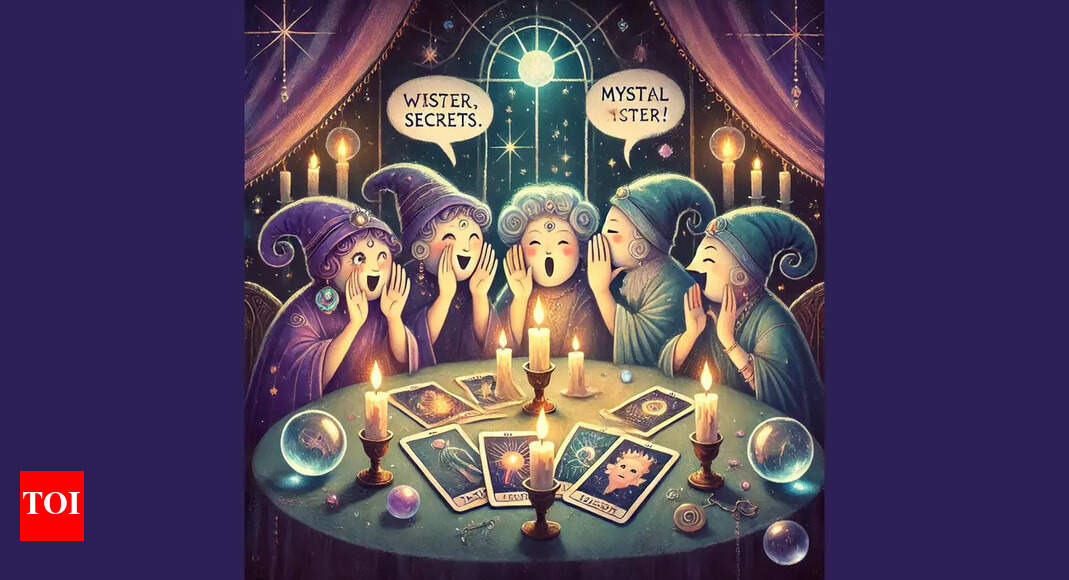
Most beginners start with simple three-card spreads, but mastering tarot requires exploring more complex layouts. The Celtic Cross, for example, isn’t just about ten cards—it’s a narrative structure where each position interacts with the others. The first card (the present) might show a challenge, while the second (the obstacle) reveals what’s blocking progress. Advanced readers also use elemental dignities to analyze card interactions: a Fire card (Wands) next to an Air card (Swords) might create tension, while two Earth cards (Pentacles) could indicate stability. Another powerful technique is the story spread, where cards are arranged in a sequence to map out a journey—past influences, present dynamics, future potential, and hidden influences. These methods transform readings from static snapshots into dynamic, multi-dimensional explorations of a querent’s life.
The Role of Intuition vs. Traditional Meanings
There’s an ongoing debate in tarot circles: should you rely on book definitions or trust your gut? The truth lies in balance. Traditional meanings provide a foundation, but intuition acts as a bridge to deeper understanding. For example, The Three of Cups traditionally represents celebration and friendship, but if your intuition whispers “betrayal,” it might be highlighting a nuance the querent isn’t consciously aware of. Advanced readers develop a two-step process: first, they note the card’s traditional meaning, then they observe their immediate reactions—images, emotions, or even physical sensations. This synergy between intellect and intuition is what makes tarot readings feel alive. It’s also why two readers can pull the same cards and deliver vastly different interpretations, each valid in its own right.
Common Misconceptions That Limit Your Readings
Many tarot myths prevent readers from reaching their full potential. One of the most pervasive is the idea that reversed cards always indicate negativity. In reality, reversals often highlight internalized energy—The Lovers reversed might point to disharmony within a relationship, but it could also signal a need for self-love. Another misconception is that tarot is purely predictive. While cards can show potential outcomes, they’re more accurately described as probability maps—highlighting influences that shape future events rather than dictating them. Additionally, some believe you need a “gift” to read tarot effectively, but skill comes from study, practice, and self-awareness, not supernatural abilities. Dispelling these myths opens the door to more nuanced, empowering readings.
Conclusion
Tarot is far more than a deck of illustrated cards—it’s a living language of symbols, psychology, and universal truths. By diving into the hidden symbolism, embracing psychological depth, and mastering advanced techniques, you can transform your readings from generic interpretations into profound, personalized insights. Remember that the cards are a tool, not a crutch; your intuition and ethical approach will always be the most powerful elements of your practice. Whether you’re seeking guidance for yourself or others, the secret language of tarot offers a path to self-discovery, clarity, and empowerment. The next time you pull a card, ask yourself: What deeper story is this image trying to tell me? The answer might surprise you.
FAQ
What is the secret language of tarot cards?
The secret language of tarot cards refers to the complex symbolism, psychological archetypes, and intuitive insights that go beyond traditional card meanings, allowing readers to access deeper layers of interpretation.
How do tarot cards connect to psychology?
Tarot cards reflect psychological archetypes and subconscious processes, aligning with Carl Jung’s theories, helping readers and querents explore inner thoughts, emotions, and hidden influences.
What are common misconceptions about tarot readings?
Common misconceptions include the belief that reversed cards always mean negativity, tarot is purely predictive, or that reading tarot requires supernatural gifts. In reality, tarot is a skill developed through study and intuition.
What role does intuition play in tarot readings?
Intuition acts as a bridge between traditional card meanings and personal insights, enabling readers to interpret cards in a way that resonates uniquely with each querent’s situation.
Why is tarot etiquette important?
Tarot etiquette, such as intentionality, respecting free will, and handling the deck mindfully, ensures readings are respectful, ethical, and meaningful rather than superficial or controlling.
Leave a Reply