Short Answer
Welcome to this comprehensive guide on The Thief & The Thoth Tarot. Whether you’re a seasoned tarot enthusiast or a curious beginner, this article will explore the intricate connections between the archetype of the Thief and the profound symbolism of the Thoth Tarot deck. You’ll discover the historical roots of both concepts, their symbolic meanings, and how they intertwine in modern tarot practice. By the end, you’ll have a deeper understanding of how these themes manifest in readings and personal growth.
The Thief Archetype: A Historical and Cultural Overview
The Thief is a timeless archetype that appears across cultures, literature, and mythology. Often depicted as a cunning figure who takes what isn’t theirs, the Thief represents both temptation and resourcefulness. In ancient Greek mythology, figures like Prometheus and Hermes embodied aspects of the Thief—Prometheus for stealing fire from the gods, and Hermes as the messenger who could outwit others. Similarly, in folklore, the Thief is sometimes a trickster, challenging societal norms and exposing vulnerabilities.
Psychologically, the Thief can symbolize hidden desires, unethical actions, or the need to reclaim what has been lost. Carl Jung’s theories on archetypes suggest that the Thief embodies the shadow self—the part of us that operates outside conscious morality. This duality makes the Thief a compelling subject in tarot readings, where it can represent both warning and opportunity.

Introduction to the Thoth Tarot Deck
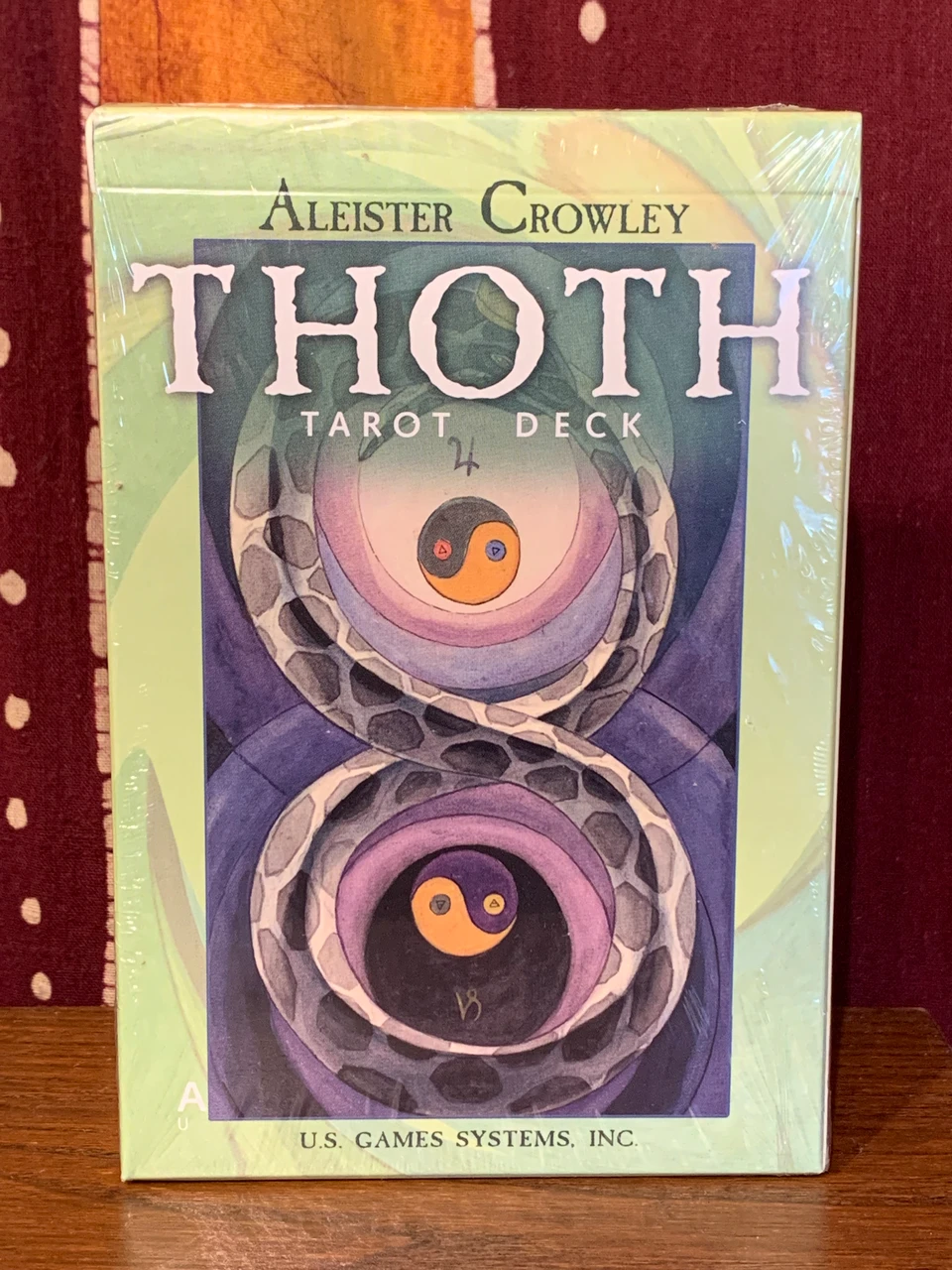
The Thoth Tarot is one of the most esoteric and visually striking tarot decks ever created. Designed by Aleister Crowley and Lady Frieda Harris in the early 20th century, the deck is deeply rooted in Hermeticism, astrology, and the Kabbalah. Unlike traditional Rider-Waite-Smith decks, the Thoth Tarot incorporates complex symbolism and abstract imagery, making it a favorite among advanced practitioners.
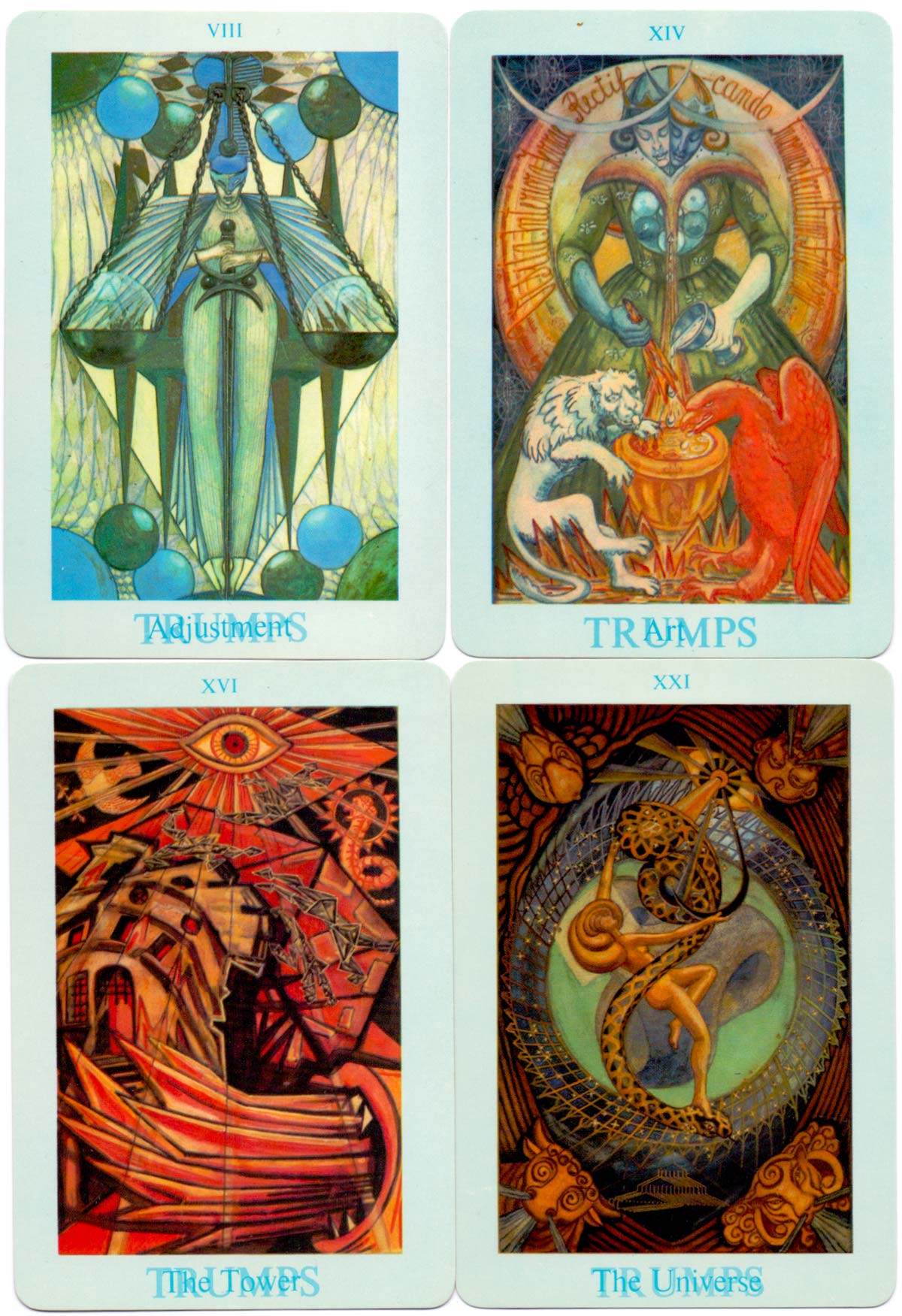
The deck consists of 78 cards, divided into the Major Arcana (22 cards representing spiritual lessons) and the Minor Arcana (56 cards divided into four suits: Wands, Cups, Swords, and Disks). Each card is rich with occult references, from astrological correspondences to alchemical symbols. For example, The Magus (equivalent to The Magician in other decks) is associated with Mercury and the element of Air, reflecting Crowley’s integration of astrology into tarot symbolism.
Symbolism of The Thief in the Thoth Tarot
In the Thoth Tarot, the Thief is most closely associated with the card The Eight of Disks, titled “Prudence” in some interpretations. This card depicts a figure carefully balancing eight disks on their hands, symbolizing careful planning, skill, and the accumulation of resources. The Thief’s energy here is not about stealing in a literal sense but about strategic acquisition and the wise use of what one already possesses.
The Thoth Tarot’s approach to the Thief archetype emphasizes intellect and precision. The Eight of Disks suggests that true mastery comes from patience and methodical action, rather than impulsive theft. This aligns with Crowley’s philosophy of “Do what thou wilt,” where true will is not about taking from others but about harnessing one’s own potential. The card encourages the querent to assess their resources and use them wisely, reflecting the Thief’s role as both a cautionary tale and a guide to self-sufficiency.
Comparing the Thief in Different Tarot Decks
While the Thoth Tarot offers a unique perspective on the Thief archetype, other decks present variations that highlight different aspects of this figure. In the Rider-Waite-Smith deck, the Thief is often linked to The Eight of Pentacles, which emphasizes diligence and craftsmanship rather than cunning. The Thoth’s approach, however, leans into the esoteric, framing the Thief as a figure of alchemical transformation.
In contrast, decks like the Wild Unknown or the Modern Witch Tarot might depict the Thief as a more literal outlaw, reflecting contemporary views on rebellion and nonconformity. The Thoth Tarot’s Thief, however, is less about defiance and more about the internal process of reclaiming agency. This distinction underscores how the Thief archetype can adapt to different cultural and spiritual contexts, making it a versatile symbol in tarot readings.
Practical Applications: Using the Thoth Tarot to Explore the Thief Archetype
If you’re using the Thoth Tarot to explore the Thief archetype in a reading, consider the following approaches:
- Shadow Work: Draw a card to represent the Thief in your life. Is it a warning against deceit, or an invitation to reclaim lost power? Reflect on areas where you might be acting out of alignment with your true will.
- Resource Management: Use the Eight of Disks to assess your current resources. Are you using them wisely, or are you holding back out of fear? This card can guide you in optimizing your efforts.
- Ethical Decision-Making: The Thief archetype can prompt questions about integrity. Are your actions serving your highest good, or are you taking shortcuts that could lead to imbalance?
For example, if you pull The Eight of Disks in a career reading, it might suggest that you need to refine your skills or invest more effort into a project. Conversely, if The Tower or Three of Swords appears alongside the Thief, it could indicate a situation where deception or betrayal is at play.
Common Misconceptions About the Thief in Tarot
One of the most pervasive misconceptions about the Thief in tarot is that it always represents negative or unethical behavior. While the archetype can certainly warn against deceit, it also embodies resourcefulness, adaptability, and the ability to navigate challenging circumstances. The Thoth Tarot, in particular, frames the Thief as a figure of transformation, where taking what isn’t yours might symbolize reclaiming power or knowledge that was previously inaccessible.
Another misconception is that the Thief is solely a “bad” card. In reality, its meaning depends heavily on the context of the reading. A Thief appearing in a spread about personal growth might indicate a need to break free from limiting beliefs, while in a relationship reading, it could signal a breach of trust. The key is to examine the surrounding cards and the querent’s intuition to uncover the deeper message.
Conclusion
The Thief and the Thoth Tarot offer a rich tapestry of symbolism that invites exploration on multiple levels. From the historical roots of the Thief archetype to the esoteric depths of the Thoth Tarot, these themes challenge us to examine our relationship with power, resources, and integrity. Whether you’re using the Thoth Tarot for divination, meditation, or personal reflection, the Thief archetype serves as a powerful mirror, reflecting both our shadows and our potential for transformation.
As you delve deeper into the Thoth Tarot, remember that the Thief is not merely a cautionary figure but a guide to self-mastery. By understanding its nuances, you can harness its energy to navigate life’s complexities with wisdom and intention. Whether you’re drawing cards for insight or studying the deck’s intricate symbolism, the Thief and the Thoth Tarot together provide a profound tool for spiritual growth and self-discovery.
FAQ
What does the Thief archetype represent in tarot?
The Thief archetype symbolizes resourcefulness, hidden desires, and the shadow self, representing both caution and opportunity in tarot readings.
How is the Thief depicted in the Thoth Tarot deck?
In the Thoth Tarot, the Thief is closely associated with the Eight of Disks card, symbolizing careful planning, skill, and strategic acquisition rather than literal theft.
How does the Thoth Tarot's interpretation of the Thief differ from other decks?
The Thoth Tarot frames the Thief as an intellectual and alchemical figure focused on transformation and self-mastery, unlike other decks that may portray the Thief more literally as an outlaw or trickster.
Can the Thief archetype have positive meanings in tarot readings?
Yes, the Thief can represent adaptability, resourcefulness, and reclaiming lost power, and is not always a negative or unethical symbol.
What practical uses does the Thoth Tarot offer for exploring the Thief archetype?
It can be used for shadow work, resource management, and ethical decision-making, helping querents reflect on integrity and personal growth.
Leave a Reply