Short Answer
In this comprehensive guide, you will explore the concept of “The World as a Person – The Integrated One,” a perspective that views the Earth not just as a physical entity but as a living, interconnected system with its own identity and purpose. You’ll discover how this idea bridges science, philosophy, and spirituality, offering a holistic understanding of our planet. From the interconnectedness of ecosystems to the role of human consciousness in shaping global harmony, this guide covers key aspects that redefine our relationship with the world. Whether you’re seeking insights into environmental stewardship, the unity of life, or the deeper meaning behind global sustainability, this article provides a thought-provoking journey into seeing the world as a unified, sentient being.
The World as a Living Entity: A Holistic Perspective
The idea of the world as a person—an integrated, living entity—challenges traditional views of Earth as merely a collection of resources or a backdrop for human activity. Instead, it suggests that the planet functions as a single organism, where every element, from oceans and forests to human societies, plays a role in its overall health and vitality. This perspective draws from systems theory, which posits that complex systems, like ecosystems or even the biosphere, exhibit properties of self-regulation and interdependence. When we view the world as a person, we recognize that its “well-being” depends on the balance and harmony of its parts. This holistic view encourages us to see environmental degradation not just as a problem to solve but as a symptom of a deeper disconnection from the planet’s natural rhythms.
The Interconnectedness of All Life: The Web of Existence
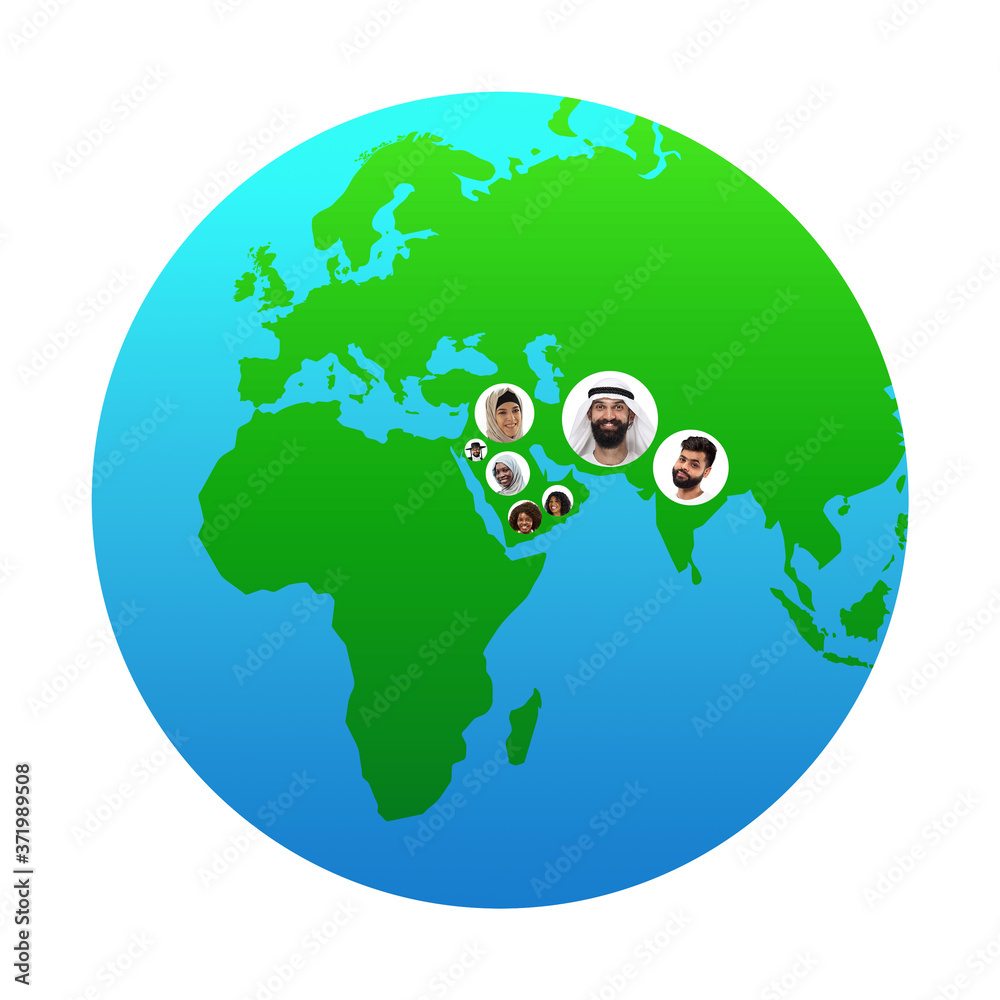
At the heart of viewing the world as a person is the understanding that all life is interconnected. Every species, ecosystem, and natural process contributes to the planet’s ability to sustain life. For example, forests act as the lungs of the Earth, absorbing carbon dioxide and releasing oxygen, while oceans regulate climate and support biodiversity. Human activities, such as deforestation or pollution, disrupt these delicate balances, illustrating how our actions reverberate across the entire system. This interconnectedness extends beyond biology; it includes cultural, economic, and spiritual dimensions. Indigenous traditions, for instance, often emphasize the sacredness of the Earth and the responsibility humans have to maintain its integrity. By recognizing these connections, we can foster a sense of global citizenship and stewardship, where individual actions contribute to the collective well-being of the planet.
The Role of Human Consciousness in Global Harmony
Human consciousness plays a pivotal role in shaping the world’s integrated identity. Our thoughts, beliefs, and actions influence how we perceive and interact with the planet. When we adopt a mindset of separation—viewing ourselves as distinct from nature—we often exploit resources without regard for long-term consequences. Conversely, a consciousness rooted in unity and reverence for life fosters sustainable practices and harmonious coexistence. Practices like mindfulness, meditation, and eco-spirituality encourage individuals to cultivate a deeper connection with the Earth, recognizing it as an extension of themselves. This shift in perspective can lead to more ethical decision-making, where economic and technological advancements align with ecological and social well-being. By nurturing a global consciousness, we can transform our relationship with the world from one of domination to one of collaboration and mutual growth.
Environmental Stewardship: Nurturing the World’s Well-Being
Environmental stewardship is a practical application of viewing the world as a person. It involves taking responsibility for the health of the planet by adopting sustainable lifestyles, supporting conservation efforts, and advocating for policies that protect ecosystems. Stewardship can take many forms, from reducing plastic waste and supporting renewable energy to participating in reforestation projects or wildlife conservation. The key is to recognize that every action, no matter how small, contributes to the world’s overall vitality. For example, planting a tree not only sequesters carbon but also supports local biodiversity and improves air quality. Similarly, choosing to consume ethically sourced products reduces the demand for exploitative practices that harm the planet. By embracing stewardship, individuals and communities become active participants in the world’s healing process, ensuring that future generations inherit a thriving, integrated planet.
The Spiritual Dimension: The World as a Sacred Being
Many spiritual and philosophical traditions throughout history have revered the Earth as a sacred being. In these traditions, the world is not merely a physical entity but a divine presence deserving of respect and reverence. For instance, in certain Indigenous cultures, the Earth is often personified as a mother figure, nurturing and sustaining all life. Similarly, in Eastern philosophies like Taoism, the natural world is seen as an expression of the Tao, the fundamental force that underlies all existence. These spiritual perspectives emphasize the importance of living in harmony with nature, rather than attempting to control or dominate it. By integrating spirituality into our relationship with the world, we can cultivate a sense of awe and gratitude for the planet’s beauty and complexity. This spiritual dimension also provides a framework for addressing existential questions about humanity’s place in the universe and our responsibility to care for the world as an integrated whole.
Global Challenges and the Path Forward
Despite the beauty of the integrated worldview, humanity faces significant challenges in realizing it. Climate change, biodiversity loss, pollution, and social inequality are symptoms of a world out of balance. Addressing these challenges requires a collective effort that transcends borders, cultures, and ideologies. Solutions must be holistic, addressing not only environmental issues but also the underlying systems of exploitation and inequality that perpetuate them. For example, transitioning to a circular economy—where resources are reused and recycled—can reduce waste and environmental degradation while creating economic opportunities. Similarly, investing in education and empowering communities to participate in decision-making processes ensures that solutions are inclusive and sustainable. The path forward involves reimagining our relationship with the world, moving from a mindset of extraction to one of regeneration and reciprocity. It requires courage, creativity, and a commitment to long-term thinking, but the rewards—a thriving, integrated planet—are immeasurable.
Conclusion
Viewing the world as a person—the integrated one—offers a transformative perspective that redefines our relationship with the planet. It challenges us to see beyond individualism and embrace a holistic understanding of life, where every action contributes to the well-being of the whole. From the interconnectedness of ecosystems to the role of human consciousness in shaping global harmony, this perspective provides a roadmap for sustainable living and environmental stewardship. By nurturing a sense of unity and reverence for the Earth, we can address global challenges with wisdom and compassion. Ultimately, recognizing the world as a living, integrated being is not just an abstract idea—it is a call to action, inviting us to participate in the healing and regeneration of our shared home. As we move forward, let us carry this vision with us, fostering a world where humanity and nature thrive in harmony.
FAQ
What is the main idea behind 'The World as a Person'?
It is the view that Earth functions as a single living organism with interconnected parts that contribute to its overall health and balance.
How can individuals contribute to the well-being of the integrated world?
By adopting sustainable lifestyles, supporting conservation, practicing mindfulness, and fostering a global consciousness rooted in unity and respect for nature.
What are some spiritual traditions that support this worldview?
Indigenous cultures often personify Earth as a nurturing mother, and Eastern philosophies like Taoism view nature as an expression of a fundamental universal force.
Leave a Reply