Short Answer
In this comprehensive guide, you’ll explore the nuances of upright and reversed tarot cards, helping you understand their meanings, interpretations, and accuracy. Whether you’re a beginner or an experienced reader, you’ll gain insights into how card orientation influences readings, the historical context behind these interpretations, and practical tips for accurate divination. By the end, you’ll be equipped to discern which approach—upright or reversed—aligns best with your intuitive style and the questions you seek to answer.
Understanding Upright and Reversed Tarot Cards
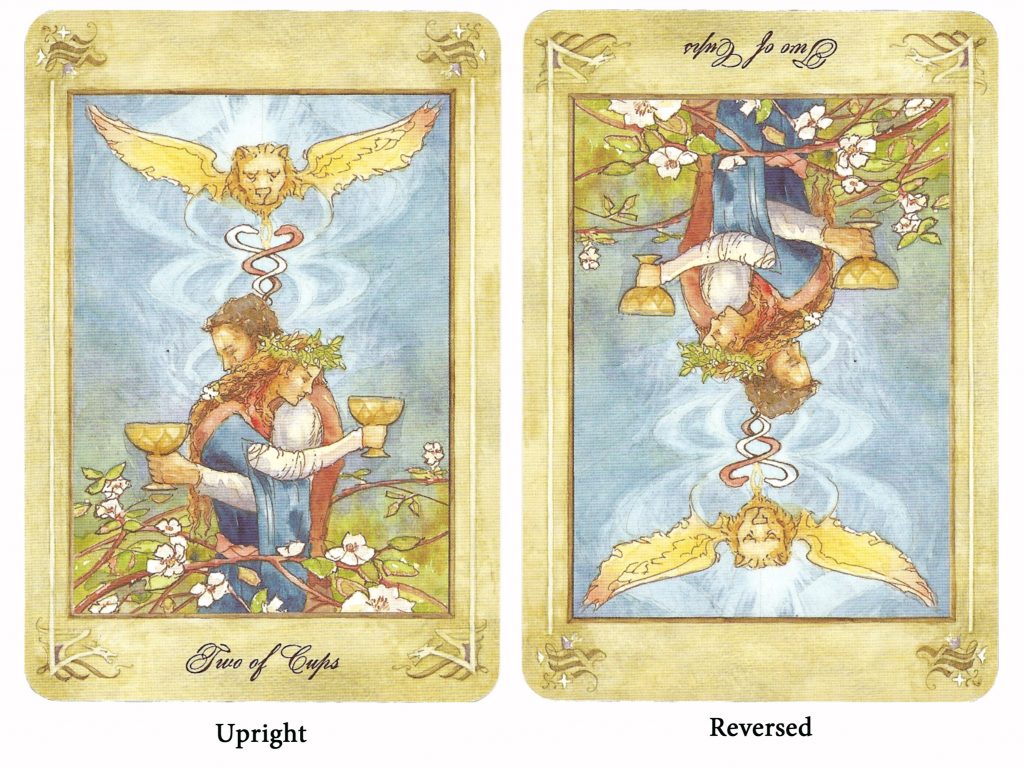
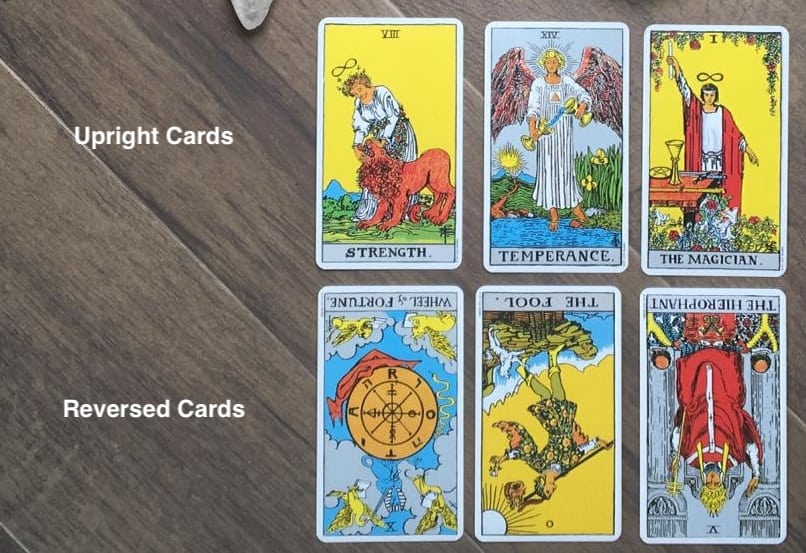
Tarot cards are typically read in two orientations: upright (right-side up) and reversed (upside down). An upright card represents the traditional or primary meaning of the card, as defined in tarot guidebooks. For example, the upright Fool symbolizes new beginnings, spontaneity, and adventure, while the upright Death card signifies transformation and endings rather than literal death. Reversed cards, on the other hand, invert these meanings, suggesting blocked energy, internal struggles, or a need for introspection.
It’s essential to recognize that reversed cards aren’t inherently “negative.” Instead, they often highlight areas requiring attention or growth. For instance, a reversed Lovers card might indicate disharmony in relationships or a lack of alignment with one’s values, whereas an upright Lovers card emphasizes harmony and choices. The key is to approach reversed cards with curiosity rather than fear, using them as tools to uncover deeper layers of a situation.
The Historical Context of Card Orientations
The practice of reading reversed tarot cards dates back to the 18th century, when occultists like the Hermetic Order of the Golden Dawn formalized tarot interpretations. Early decks, such as the Rider-Waite-Smith, included reversed meanings in their guidebooks, solidifying the tradition. However, not all historical tarot practices emphasized reversals. Some traditions, particularly in European cartomancy, focused solely on upright meanings, treating the cards as static symbols.
In modern times, the debate between upright-only and reversed interpretations continues. Some readers argue that reversals add unnecessary complexity, while others believe they provide nuanced insights. The choice often depends on the reader’s intuition and the querent’s needs. For example, a reversed Three of Cups might suggest isolation or unmet social needs, whereas an upright version celebrates joy and community. Understanding this historical backdrop helps contextualize why reversals are used today and how they’ve evolved alongside tarot practice.
Accuracy in Upright vs. Reversed Readings
The accuracy of upright versus reversed readings hinges on several factors, including the reader’s skill, the deck’s symbolism, and the querent’s openness. Upright readings are generally more straightforward, making them ideal for beginners or when seeking clear answers. For instance, an upright Ten of Swords often indicates recovery or acceptance of a painful ending, while a reversed version might suggest lingering pain or resistance to closure. The simplicity of upright cards can reduce ambiguity, making them a reliable choice for straightforward queries.
Reversed readings, while more complex, can offer profound insights into subconscious patterns or unresolved issues. A reversed Eight of Pentacles might reveal perfectionism or burnout, whereas an upright version highlights dedication and craftsmanship. However, reversals require a deeper understanding of tarot symbolism and the querent’s circumstances. Misinterpretations can arise if the reader projects their biases onto the cards. To enhance accuracy, consider the following tips:
- Context Matters: Always analyze the card’s position in a spread and its relationship to surrounding cards.
- Intuition Over Guidebooks: Trust your gut feelings about a card’s meaning, even if it deviates from traditional interpretations.
- Clarify the Question: Reversed cards often emerge when the querent’s question is vague or emotionally charged.
Common Misconceptions About Reversed Cards
One of the most pervasive myths is that reversed cards are “bad” omens. In reality, they serve as mirrors, reflecting internal conflicts or untapped potential. For example, a reversed Chariot might indicate a lack of direction or self-doubt, while an upright version celebrates determination and victory. Another misconception is that reversals are universally applicable. Some readers find them unnecessary, especially when using decks with minimal symbolism, like the Thoth Tarot, which often omits reversed meanings entirely.
Another challenge is the inconsistency in reversed interpretations across guidebooks. While most agree that the Magician reversed suggests manipulation or wasted potential, other cards like the Page of Cups reversed might mean emotional immaturity or suppressed creativity, depending on the source. To navigate this, cross-reference multiple resources or develop your own intuitive keywords for reversed cards. Consistency comes with practice and familiarity with your deck.
Practical Tips for Reading Reversed Cards
If you choose to incorporate reversals into your readings, here are practical strategies to enhance their accuracy:
- Use a Simple Spread: Start with a three-card spread (past, present, future) to practice interpreting reversals without overwhelm.
- Focus on Energy: Instead of rigid definitions, consider the card’s energy. A reversed Strength might feel heavy or draining, indicating inner turmoil.
- Ask Open-Ended Questions: Reversals often surface when the querent needs to explore underlying issues. For example, “What’s blocking my progress?” might yield a reversed Five of Wands.
- Journal Your Readings: Track reversed cards over time to identify patterns in your interpretations and the querent’s experiences.
For those who prefer upright-only readings, focus on the card’s core message and its relationship to the querent’s question. For instance, the upright Justice card emphasizes fairness and accountability, while its absence in a spread might suggest a need for balance. The key is consistency—stick to one method until you’re comfortable expanding your practice.
Choosing Between Upright and Reversed Readings
The decision to use reversals depends on your personal style and the reading’s purpose. Upright readings are excellent for quick, actionable advice, such as career guidance or daily draws. For example, an upright Ace of Wands could signal a new creative opportunity, while a reversed version might hint at hesitation or missed chances. Reversals shine in deeper, introspective readings, such as shadow work or relationship analysis.
Consider your audience as well. Beginners may benefit from upright-only readings to build confidence, while advanced readers often blend both methods for richer insights. Experiment with different approaches to see what resonates. Some readers even use a hybrid method, interpreting reversals only when the card feels particularly significant or when the upright meaning doesn’t align with the querent’s situation.
Conclusion
Upright and reversed tarot cards each offer unique perspectives, and the “accuracy” of one over the other depends on your goals, intuition, and the context of the reading. Upright cards provide clarity and tradition, making them ideal for straightforward queries, while reversed cards unlock deeper, often subconscious layers of meaning. Neither approach is inherently superior—they are tools to be wielded with intention and practice.
Ultimately, the most accurate readings come from a place of authenticity. Whether you lean toward upright, reversed, or a combination of both, trust your connection to the cards and the querent’s energy. Over time, you’ll develop a personalized approach that aligns with your spiritual path and the mysteries the tarot reveals. Keep a journal, stay open to learning, and let the cards guide you—not dictate—your interpretations.
FAQ
What is the difference between upright and reversed tarot cards?
Upright tarot cards represent traditional meanings, while reversed cards indicate blocked energy, internal struggles, or a need for introspection.
Are reversed tarot cards always negative?
No, reversed cards highlight areas that need attention or growth and are not inherently negative.
Should beginners use upright or reversed cards?
Beginners often start with upright-only readings for clarity and confidence.
How can I improve accuracy when reading reversed cards?
Consider the card’s context, trust your intuition, clarify the question, and journal your readings.
Why do some tarot decks omit reversed card meanings?
Some decks focus solely on upright symbolism, such as the Thoth Tarot, simplifying interpretation.
Leave a Reply