Short Answer
Embarking on a journey into the world of tarot can be both exciting and transformative. Whether you’re a curious beginner or a seasoned practitioner, understanding the meanings of all 78 tarot cards is essential for unlocking deeper insights into your life, relationships, and spiritual path. This comprehensive guide will walk you through the Major Arcana, Minor Arcana, and Court Cards, providing detailed explanations, symbolic interpretations, and practical applications. By the end, you’ll have a solid foundation to interpret tarot spreads with confidence and clarity.
The Major Arcana: The Fool’s Journey
The Major Arcana consists of 22 cards, each representing a significant life lesson or spiritual milestone. These cards often symbolize major life events, karmic influences, and deep personal growth. The journey begins with The Fool, who represents new beginnings, spontaneity, and a leap of faith. As you move through the Major Arcana, each card—from The Magician (manifestation and power) to The World (completion and fulfillment)—tells a story of transformation and enlightenment. These cards are the backbone of any tarot reading, offering profound wisdom about your life’s path and the challenges and rewards that lie ahead.
For example, The High Priestess embodies intuition, mystery, and the subconscious mind, while Death signifies transformation and rebirth rather than literal demise. Understanding the Major Arcana helps you recognize the larger patterns in your life and the spiritual lessons you’re meant to learn.

The Minor Arcana: The Details of Daily Life
The Minor Arcana consists of 56 cards divided into four suits: Cups, Pentacles, Swords, and Wands. Each suit corresponds to an element (water, earth, air, and fire, respectively) and represents different aspects of human experience. Unlike the Major Arcana, the Minor Arcana focuses on everyday situations, challenges, and emotions.
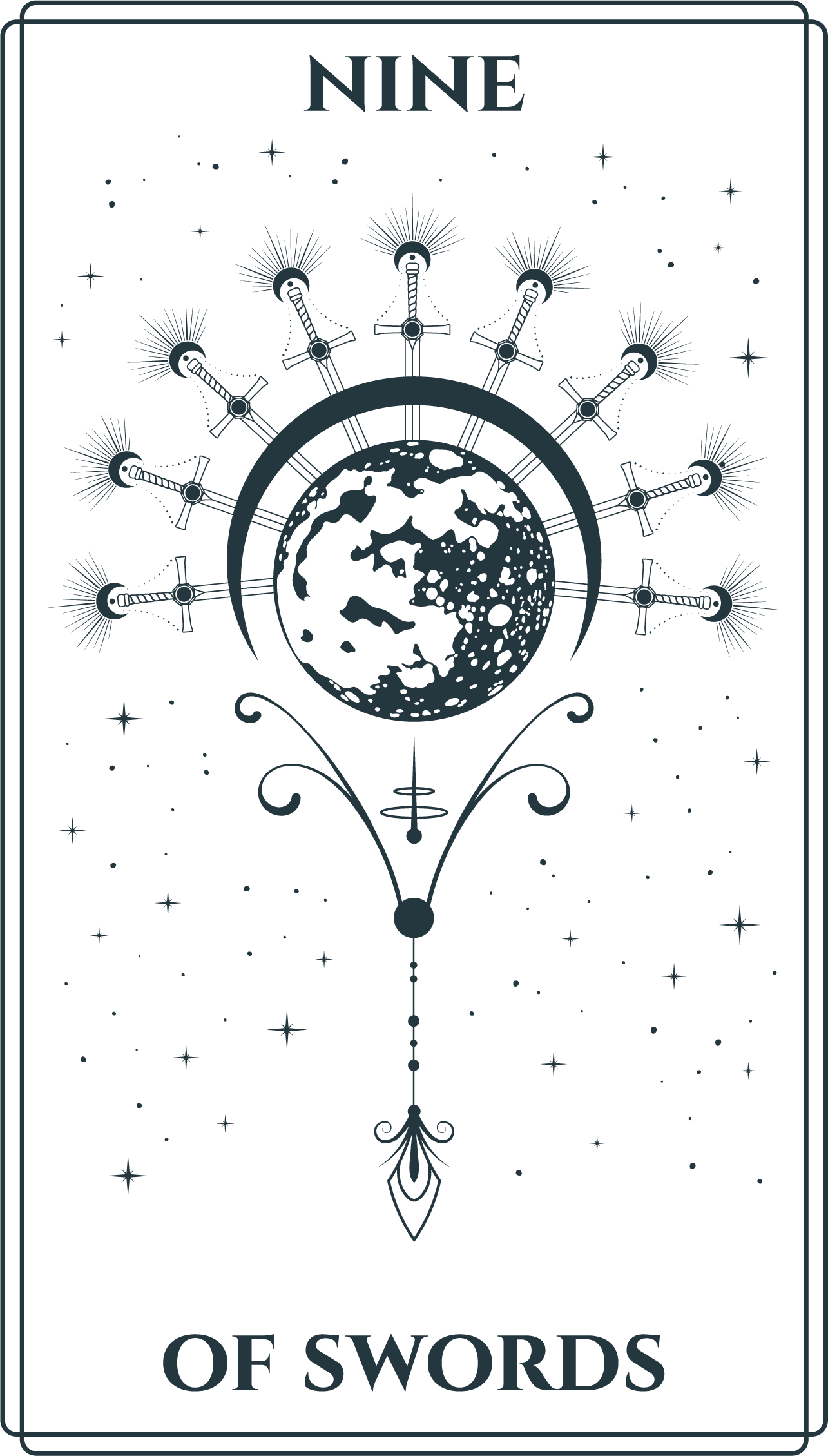
Cups relate to emotions, relationships, and creativity. Cards like The Three of Cups signify celebration and friendship, while The Five of Cups reflects loss and regret. Pentacles deal with material wealth, career, and practical matters. For instance, The Ace of Pentacles suggests new financial opportunities, while The Ten of Pentacles represents legacy and abundance. Swords govern the mind, communication, and conflict. The Two of Swords may indicate indecision, while The Eight of Swords suggests feeling trapped. Finally, Wands symbolize passion, inspiration, and personal drive. The Page of Wands could represent a new creative project, while The King of Wands embodies charisma and leadership.
Mastering the Minor Arcana allows you to interpret the nuances of daily life, from career decisions to emotional conflicts, with precision and insight.
Court Cards: Personalities and Influences
The Court Cards—Page, Knight, Queen, and King—represent people, personalities, or energies that influence a situation. Each suit has its own Court Cards, adding up to 16 in total. These cards can describe someone’s character, your own traits, or the energy surrounding a situation.
For example, The Queen of Cups embodies emotional depth and compassion, while The Knight of Swords suggests impulsiveness and a need for action. The Page of Pentacles may indicate a student or someone learning about finances, and The King of Wands represents a natural leader with a magnetic personality. Court Cards can also reflect your own qualities—are you acting with the confidence of a King, or the curiosity of a Page? Understanding these cards adds a layer of depth to your readings, helping you see the human dynamics at play.
Reversed Cards: Blocked or Challenging Energies
Tarot cards can appear upright or reversed, and reversals often indicate blocked energy, internal struggles, or the need for introspection. A reversed card doesn’t necessarily mean a negative outcome but rather a call to address underlying issues. For instance, The Tower reversed might suggest resistance to necessary change, while The Lovers reversed could point to disharmony or poor choices in relationships.
Reversals encourage you to look deeper into the card’s meaning and consider how the energy might be manifesting in your life. They’re a reminder that growth often comes from facing challenges rather than avoiding them.
Practical Applications: How to Use This Guide
This guide is designed to be a reference tool for your tarot practice. Start by familiarizing yourself with the Major Arcana, as these cards often carry the most weight in a reading. Next, study the Minor Arcana to understand the everyday influences in your life. Pay attention to Court Cards, as they can provide clarity about the people or energies around you. Finally, don’t shy away from reversals—they’re a valuable part of the tarot’s language.
To deepen your understanding, practice pulling single cards daily and journaling about their meanings in your life. Over time, you’ll develop a personal connection to the cards and a unique interpretation style. You can also use this guide to analyze tarot spreads, such as the Celtic Cross or a simple three-card spread, to gain insights into past, present, and future influences.
Conclusion
Tarot is a powerful tool for self-discovery, guidance, and spiritual growth. By understanding the meanings of all 78 cards—from the transformative Major Arcana to the nuanced Minor Arcana and Court Cards—you equip yourself with the knowledge to interpret readings with depth and accuracy. Remember, tarot is not about predicting the future with certainty but about exploring possibilities, uncovering hidden truths, and gaining clarity on your path.
Whether you’re using tarot for personal reflection, decision-making, or creative inspiration, this guide serves as a comprehensive resource to deepen your practice. Embrace the journey, trust your intuition, and let the cards guide you toward greater wisdom and self-awareness.
FAQ
What is the difference between Major Arcana and Minor Arcana cards?
Major Arcana cards represent significant life events and spiritual lessons, while Minor Arcana cards focus on everyday situations and emotions.
How do reversed tarot cards affect the reading?
Reversed cards typically indicate blocked energy, challenges, or internal struggles, and they encourage deeper introspection rather than predicting negative outcomes.
What do Court Cards represent in tarot readings?
Court Cards symbolize people, personalities, or energies influencing a situation and can reflect traits of the querent or others involved.
How can I use this guide to improve my tarot readings?
By studying the meanings of all cards, practicing daily pulls, and analyzing common spreads, you can develop a personal connection and deepen your interpretative skills.
Leave a Reply