Short Answer
Have you ever drawn a tarot card and felt an inexplicable pull toward its imagery, wondering what hidden messages it might hold? Tarot readings often leave us with more questions than answers, especially when the cards seem to resonate deeply with our current struggles or desires. This guide will help you decode the meanings behind your tarot cards, offering clarity on how to interpret them with confidence. Whether you’re a beginner or looking to refine your intuitive skills, you’ll discover practical techniques to uncover the deeper layers of your readings.
Understanding the Basics: What Tarot Cards Represent
Tarot cards are more than just illustrations—they are a visual language that taps into universal archetypes and human experiences. A standard tarot deck consists of 78 cards divided into two main groups: the Major Arcana (22 cards) and the Minor Arcana (56 cards). The Major Arcana represents significant life events or spiritual lessons, while the Minor Arcana reflects everyday situations, emotions, and challenges.
Each card carries a core meaning, but its interpretation can shift based on its position in a spread (e.g., upright or reversed) and the surrounding cards. For example, the Fool card often symbolizes new beginnings and spontaneity, but when reversed, it may suggest recklessness or poor judgment. Familiarizing yourself with these foundational meanings will give you a solid starting point for deeper analysis.

How to Interpret Card Imagery and Symbols
The imagery on tarot cards is rich with symbolism, often drawing from mythology, astrology, and numerology. Paying attention to these details can reveal nuanced messages tailored to your situation. For instance, the High Priestess card features a woman between two pillars, symbolizing intuition and hidden knowledge. Her presence in a reading might indicate a need to trust your inner wisdom rather than relying solely on logic.
Colors also play a crucial role. Warm tones like red or orange often signify passion or action, while cooler blues and greens may represent calmness or healing. The Three of Cups, for example, typically shows three figures celebrating with raised cups, suggesting joy and community. However, if the cups are spilled or the figures appear distant, the card might hint at fleeting happiness or unfulfilled connections.
To deepen your interpretation, consider the following questions while studying a card:
- What emotions does the image evoke in me?
- Are there any recurring symbols (e.g., animals, objects, or colors)?
- How does this card relate to my current life circumstances?
The Role of Card Positions in a Spread
Tarot spreads—specific arrangements of cards—provide context for your reading. The most common spread is the Three-Card Spread, which typically represents past, present, and future. However, more complex spreads like the Celtic Cross offer deeper insights into challenges, influences, and potential outcomes. The position of each card influences its meaning; for example, a card in the “obstacle” position may highlight a blockage you need to address.
Reversed cards add another layer of interpretation. While some readers avoid reversals, they can signify internalized energy or blocked potential. For instance, the Tower card upright warns of sudden upheaval, but reversed, it might suggest resistance to necessary change. Always consider the surrounding cards to determine whether a reversal amplifies or softens the card’s message.
Common Observations and Their Deeper Meanings
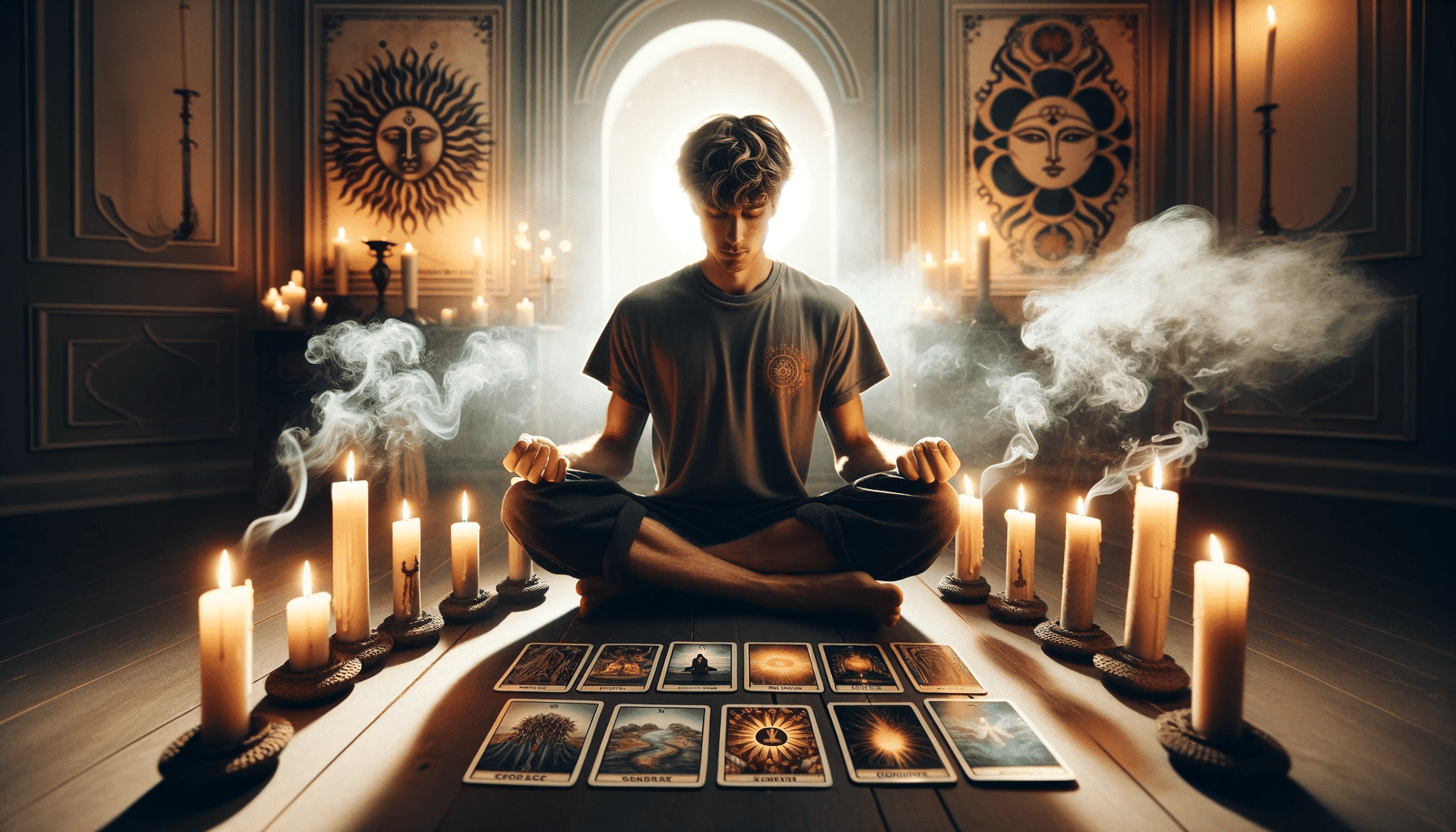
Many people notice recurring themes in their tarot readings, such as frequent appearances of the Death card or the Lovers. These patterns often reflect underlying concerns or desires. For example, drawing the Death card multiple times might indicate a fear of change or transformation, even if the card itself symbolizes rebirth. Similarly, the Lovers card appearing often could point to a need for harmony in relationships or a decision that aligns with your values.
Another common observation is the dominance of a particular suit. Cups often relate to emotions and relationships, while Swords may indicate mental conflicts or communication issues. If you consistently draw Pentacles, your reading might be urging you to focus on practical matters like finances or career. Recognizing these patterns can help you address the root causes of your circumstances rather than just the surface-level issues.
It’s also worth noting that certain cards may appear in response to specific questions. If you’re seeking clarity about love, the Two of Cups or the Knight of Cups might be prominent. For career-related queries, cards like the Ten of Pentacles or the Page of Wands could offer guidance. Tailoring your interpretation to your question ensures the reading remains relevant and insightful.
Practical Tips for Accurate Interpretation
Interpreting tarot cards is both an art and a science. To refine your skills, start by keeping a journal of your readings. Record the cards drawn, their positions, and your initial thoughts. Over time, you’ll notice patterns and develop a personal connection to the deck. Additionally, trust your intuition—if a card resonates with you in a way that contradicts traditional meanings, explore that connection further.
Another helpful practice is to meditate on a card before a reading. Focus on its imagery and ask yourself what messages it holds for you. This can reveal subconscious insights that might otherwise go unnoticed. For example, the Hermit card often calls for introspection, but its meaning could shift if you’re feeling particularly isolated or in need of guidance.
Lastly, avoid overcomplicating your interpretations. While tarot is a tool for deep reflection, it’s also meant to be accessible. If a card’s meaning feels unclear, consider its simplest associations before diving into complex symbolism. Sometimes, the most straightforward interpretations are the most accurate.
Conclusion
Tarot cards serve as a mirror, reflecting your inner world and the energies surrounding you. By understanding the basics of card meanings, symbolism, and spreads, you can unlock the profound wisdom they offer. Remember that tarot is not about predicting a fixed future but about gaining clarity and guidance for the present moment. As you continue to practice, your interpretations will become more intuitive and aligned with your personal journey.
Whether you’re seeking answers about love, career, or personal growth, tarot can be a powerful tool for self-discovery. Approach your readings with an open mind and a willingness to explore the deeper layers of your experiences. With patience and practice, you’ll develop a deeper connection to the cards and the messages they hold for you.
FAQ
What are the basic components of a tarot deck?
A tarot deck typically consists of 78 cards divided into the Major Arcana (22 cards) representing significant life events, and the Minor Arcana (56 cards) reflecting everyday situations and emotions.
How does card position affect tarot card interpretation?
The position of a card in a tarot spread influences its meaning, such as representing past, present, or future, or highlighting obstacles or influences, which adds important context for interpretation.
What is the significance of reversed tarot cards?
Reversed cards can indicate blocked energy, internalized feelings, or softened meanings, providing an additional layer of insight beyond the upright card interpretations.
How can I improve my tarot reading skills?
Keeping a reading journal, meditating on card imagery, trusting your intuition, and practicing regularly can help refine your tarot interpretation abilities.
Are tarot readings predictions of the future?
Tarot readings are not about predicting a fixed future but about gaining clarity and guidance for the present moment to support decision-making and self-discovery.
Leave a Reply