Short Answer
Have you ever pulled a tarot card and felt a sudden chill, as if the universe just whispered, “Not so fast”? Reversed tarot cards can feel like tarot’s mysterious little siblings—quietly turning the usual meanings upside down (sometimes literally). Whether you’re a seasoned reader or just starting your journey with the cards, understanding reversed tarot cards can unlock deeper layers of insight, challenge your interpretations, and even add a dash of playful unpredictability to your readings. In this guide, we’ll explore what reversed tarot cards mean, why they matter, and how to work with them confidently. By the end, you’ll be ready to embrace the twists and turns these cards bring to your readings.
What Are Reversed Tarot Cards?
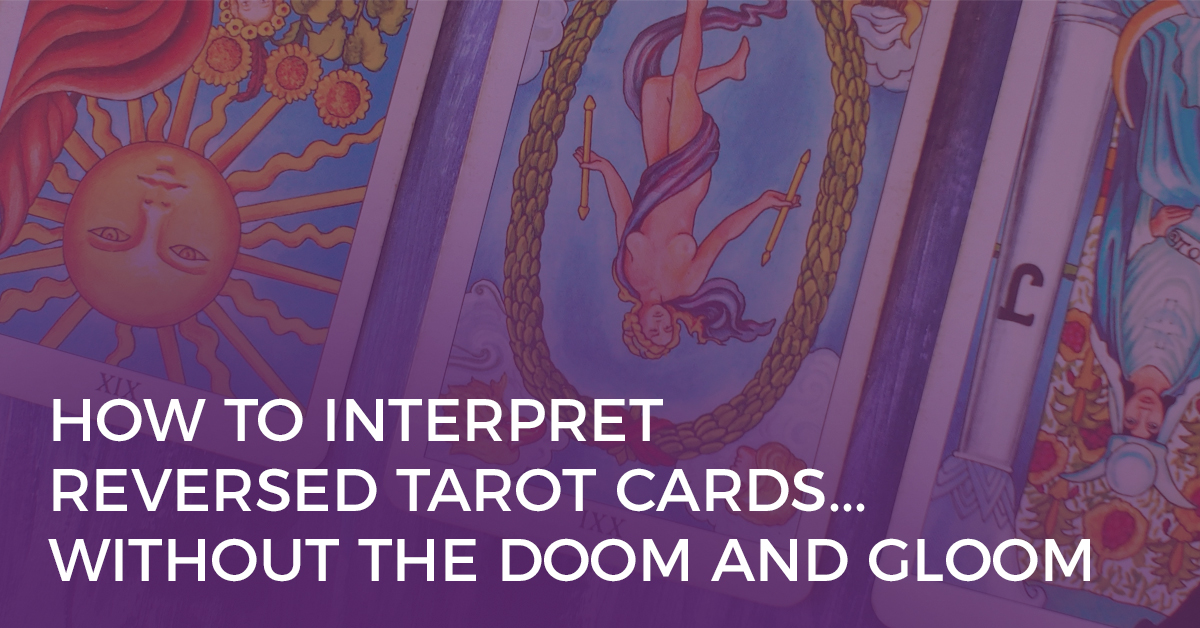
Tarot cards are typically read in an upright position, where each card’s traditional meaning shines through. But when a card appears upside down or reversed, it signals a shift in energy—often indicating blockages, internal struggles, or alternative perspectives. Think of it like a mirror: the image is familiar, but something feels just a little off. Reversed cards don’t necessarily mean the opposite of the upright meaning; instead, they highlight nuances, delays, or internal conflicts tied to the card’s core theme.
For example, the upright Three of Cups celebrates joyful celebrations and friendships, while its reversed counterpart might suggest gossip, overindulgence, or feeling left out of the fun. The key is to see reversed cards as invitations to dig deeper rather than dismiss them as “bad” omens.
Why Do Reversed Cards Matter in Readings?
Reversed cards add depth and complexity to a tarot reading, acting as a compass pointing to areas needing attention. They can reveal:
- Internal Resistance: Are you avoiding a truth or suppressing emotions? A reversed card might spotlight this.
- External Obstacles: Sometimes, the universe is telling you that external factors—like timing or other people’s choices—are holding you back.
- Hidden Opportunities: Reversals can also signal untapped potential or unconventional paths worth exploring.
Ignoring reversed cards is like reading a book with half the pages missing. They provide context that upright cards alone can’t convey, making your readings more accurate and insightful.
Common Misconceptions About Reversed Tarot Cards
Many beginners (and even some experienced readers) fall into traps when interpreting reversed cards. Let’s debunk a few myths:
- Myth 1: Reversed Cards Are Always Negative
Reversed cards aren’t inherently “bad.” They’re more like cautionary tales or wake-up calls. The Five of Pentacles reversed, for instance, might mean recovery from financial hardship rather than impending doom. - Myth 2: You Must Always Use Reversals
Some readers prefer to focus solely on upright cards, arguing that reversals complicate readings. While this is a valid approach, omitting reversals can mean missing critical nuances. - Myth 3: Reversals Change the Card’s Meaning Completely
Reversed cards rarely flip the meaning entirely. Instead, they emphasize shadows, delays, or internal shifts. The Lovers upright speaks of harmony; reversed, it might hint at disharmony or a tough choice ahead.
How to Interpret Reversed Tarot Cards: A Step-by-Step Guide
Interpreting reversed cards requires a blend of intuition and structure. Here’s a practical approach:
Step 1: Revisit the Upright Meaning
Start by recalling the upright meaning of the card. Ask yourself: How does this reversed card contrast with or build upon that meaning? For example, the upright Eight of Swords suggests feeling trapped, while reversed, it may indicate breaking free from self-imposed limitations.
Step 2: Look for Keywords
Create a list of keywords for reversed cards to guide your interpretation. For the reversed Magician, keywords might include manipulation, untapped potential, or wasted skills. Keep this list handy as you read.
Step 3: Trust Your Intuition
Tarot is deeply personal. If a reversed card feels like it’s pointing to a specific issue in your life, honor that feeling. Your intuition often bridges the gap between traditional meanings and your unique circumstances.
Step 4: Consider the Card’s Position in the Spread
In a Celtic Cross spread, a reversed card in the “past” position might indicate a past challenge you’ve overcome, while the same card in the “future” position could suggest a looming obstacle. Always weigh the card’s placement against its orientation.
Step 5: Ask Open-Ended Questions
Instead of asking, “Will I get the job?” try, “What challenges might I face in this job search?” Reversed cards thrive on exploration, so frame your questions to invite deeper reflection.
Popular Reversed Tarot Cards and Their Meanings
While every card can appear reversed, some have particularly rich interpretations. Here’s a quick guide to a few common reversed cards:

The Fool (Reversed): Recklessness, poor judgment, or a lack of planning. You might be rushing into a situation without considering the consequences.
The Tower (Reversed): Delayed crises, avoiding necessary change, or resisting transformation. This card warns that the longer you ignore the issue, the harder the fall might be.
The High Priestess (Reversed): Secrets, ignored intuition, or a disconnect from your inner wisdom. You may be overlooking your gut feelings or avoiding self-reflection.
The Ten of Swords (Reversed): Recovery from betrayal or pain, but lingering bitterness. This card suggests healing is underway, though the wounds may still sting.
The Knight of Cups (Reversed): Emotional manipulation, unrealistic dreams, or a lack of follow-through. You might be chasing fantasies without grounding them in reality.
When to Avoid Reversed Cards (And What to Do Instead)
While reversals add depth, they aren’t always necessary. Here are scenarios where you might skip them:
- Simple Clarity: If a question has a straightforward answer (e.g., “Will it rain tomorrow?”), reversals may overcomplicate the reading.
- Beginner’s Mindset: If you’re new to tarot, focus on upright meanings first. Mastering the basics builds confidence before diving into reversals.
- Intuitive Readings: Some readers prefer to let the cards speak intuitively without labeling them as upright or reversed. Trust your connection to the deck.
If you choose not to use reversals, consider shuffling the deck differently or using a different deck for clarity. The goal is to make your readings meaningful, not to force a method that doesn’t resonate.
Tips for Working with Reversed Tarot Cards
Reversed cards can feel daunting, but with practice, they become allies in your tarot journey. Try these tips:
- Journal Your Reversals: Keep a tarot journal to track reversed cards and their meanings in your readings. Over time, you’ll notice patterns.
- Use Reversals as Prompts: Instead of fearing reversed cards, treat them as conversation starters. Ask, “What is this card trying to teach me?”
- Experiment with Different Reversal Methods: Some readers use reversed cards only for specific positions in a spread, while others assign unique meanings. Find what works for you.
- Pair Reversals with Upright Cards: In a spread, a reversed card next to an upright one can highlight contrasts or complementary energies. For example, the upright Six of Wands (success) next to the reversed Five of Wands (competition) might suggest a victory that wasn’t easy.
Conclusion
Reversed tarot cards are like the plot twists in your favorite story—unexpected, sometimes challenging, but always revealing. They invite you to look beyond the surface, question your assumptions, and embrace the full spectrum of life’s experiences. Whether you see them as warnings, opportunities, or simply mirrors reflecting your inner world, reversed cards add richness to your tarot practice.
Next time a reversed card appears in your spread, take a deep breath and ask: What is this card trying to show me that I haven’t seen yet? The answer might just be the insight you’ve been searching for.
FAQ
What does a reversed tarot card mean?
A reversed tarot card typically indicates a shift in energy such as blockages, internal struggles, delays, or alternative perspectives rather than a simple opposite meaning of the upright card.
Are reversed tarot cards always negative?
No, reversed cards are not inherently negative; they often highlight caution, internal reflection, or recovery rather than bad omens.
Should I always use reversed cards in my tarot readings?
Not necessarily; some readers prefer focusing only on upright cards for simplicity, while others find reversals add important nuance and depth.
How can I interpret reversed tarot cards effectively?
Effective interpretation involves revisiting the upright meaning, using keywords, trusting intuition, considering the card’s position in the spread, and asking open-ended questions.
When might it be better to avoid using reversed cards?
Avoid reversals when you want simple clarity, if you are a beginner focusing on basics, or in intuitive readings where orientation is not emphasized.
Leave a Reply