Short Answer
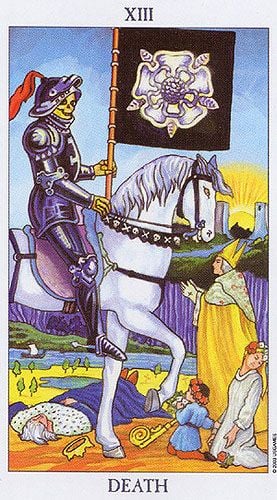
The Death card in Tarot holds a multifaceted role, imbued with symbolism and a range of interpretations. To encounter the Death card, even in its reversed position, can elicit a spectrum of emotions and reactions. Within a Christian framework, the significance of this card takes on a unique dimension, reflecting themes of transformation and resurrection, much like the core tenets of the faith itself. While the conventional depiction of death often invites trepidation, the reversed Death card suggests a more nuanced narrative.
When viewed through a Christian lens, the reversed Death card provokes contemplation about the often-misunderstood notion of endings and beginnings. The imagery typically associated with Death—skulls, graves, or the Grim Reaper—can evoke images of finality. Yet, in Christian theology, death is not the endpoint but a transition toward eternal life. It is a theme echoed in the life of Jesus Christ, whose resurrection signifies the promise of renewal and the defeat of mortality.
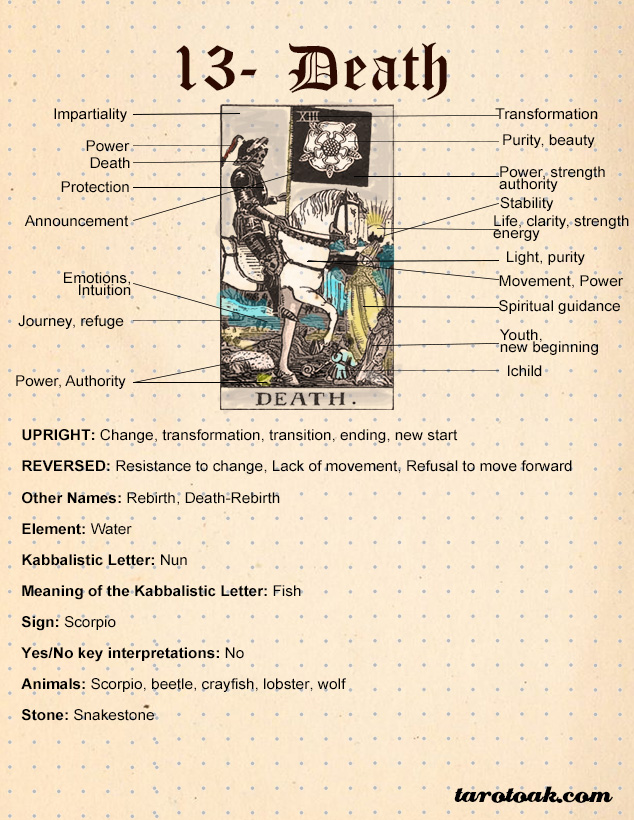
This perspective can serve as a vital point of reflection when interpreting the reversed Death card. Broadly, it may signify the refusal to accept change or a fear of transformation that is necessary for spiritual growth. Christians often grapple with the duality of existence: the physical realm, which is transient, and the spiritual realm that endures forever. Just as Jesus invited His followers to embrace a rich, fulfilling spiritual life, the reversed Death card can be seen as a call to take heed of the areas in life where stagnation prevails.
The primary interpretation of the reversed Death card might suggest an inability or unwillingness to let go. It can denote the clinging to past grievances, relationships, or old habits that hinder spiritual development. From a Christian viewpoint, this stagnation can be perceived as contrary to the call to live in faith and freedom. In several biblical passages, believers are encouraged to cast their burdens and not be ensnared by the chains of the past. Thus, the reversed Death card speaks to those remnants of the bygone that one must abandon to embrace the promise of new life.
Moreover, this card can represent resistance to inevitable change. Change is not merely a facet of life but a divine constant that many Christians experience as they navigate through faith. Seasons in life reflect God’s meticulous plan, ever-present and guiding. The reluctance to follow God’s lead can signify a deeper fear of the unknown, a quintessential human trait. This can resonate particularly in a world rife with uncertainty. Thus, the reversed Death card might prompt introspection about faith in divine sovereignty when facing the challenges of change.
In moments of transition, the Christian doctrine teaches reliance on God’s wisdom and timing. The reversed Death card, in this light, serves as a poignant reminder to embrace faith and trust in God’s overarching design. In the Bible, Jeremiah 29:11 impartially states, “For I know the plans I have for you,” assuring believers that divine plans are crafted for good, not for harm. The invitation therein is to overcome fear and uncertainty with trust in God’s providence, even amid life’s vicissitudes.
On the flip side, the reversed position of the Death card can signify hope emerging from a place of despair. It encapsulates the concept of redeeming grace found within Christian belief, affirming that resurrection is always possible. While the card may hint at a stagnation of spiritual growth or resistance to change, it also reminds believers of the transformative power of faith. Just as personal trials often culminate in profound spiritual enlightenment, the reversed card beckons individuals to recognize the potential for renewal where despair once reigned.
Furthermore, the card can illuminate the need for inner reflection. A pause for contemplation can be advantageous for both the believer and seeker of truth. Is there an area of life requiring reconciliation? A relationship yearning for healing? The capacity for forgiveness arises poignantly in Christianity, amplifying the importance of letting go of bitterness and embracing empathy. The reversed Death card, therefore, acts as a gentle nudge towards self-examination, allowing individuals to cultivate healthier emotional landscapes.
Additionally, the aspect of rebirth associated with the Death card is quintessential to Christian beliefs. While the reversed card expresses the tension of transition, it simultaneously heralds the possible resurrection of aspirations, dreams, and spiritual endeavors that have been set aside. In essence, it draws attention to the cyclical nature of life—an idea deeply embedded in Christian ideology. New life can arise from death, both literally and symbolically. The miracle of resurrection invites all to grasp the myriad opportunities for refining one’s purpose and deepening one’s relationship with God.
In conclusion, the reversed Death card in Tarot, when viewed through a Christian perspective, invites a profound exploration of transformation, growth, and renewal. While initially perceiving it as a harbinger of stagnation or resistance may be tempting, the deeper message reveals opportunities for spiritual awakening. Embracing change, letting go of the past, and trusting in God’s providence yield the promise of rebirth. Through this lens, the negativity associated with death transmutes into a narrative of hope, underscoring an essential tenet of Christianity: every end is merely the prelude to a glorious new beginning.
FAQ
What does the reversed Death card mean in Tarot?
The reversed Death card often indicates resistance to change, stagnation, and an inability to let go of the past, but it can also symbolize hope, renewal, and spiritual transformation.
How is the reversed Death card interpreted in a Christian context?
In Christianity, the reversed Death card reflects themes of resurrection, spiritual renewal, and the promise of new beginnings despite appearances of endings or resistance to change.
Can the reversed Death card represent positive outcomes?
Yes, while it may highlight challenges with change, the reversed Death card also suggests the possibility of rebirth and growth through faith and inner reflection.
Why is the Death card considered significant in Tarot readings?
The Death card symbolizes transformation and the end of a cycle, making it a powerful indicator of change, renewal, and spiritual evolution.
Leave a Reply