Short Answer
Welcome to this comprehensive guide exploring the profound themes of Justice and the Devil in tarot, as well as the transformative power of Justice Cards. Whether you’re a seasoned tarot reader, a spiritual seeker, or simply curious about symbolism, this article will illuminate the deeper meanings behind these powerful archetypes. You’ll discover how Justice and the Devil cards interact, their symbolic representations, practical applications in readings, and the unique role of Justice Cards in personal and collective growth. By the end, you’ll have a deeper understanding of these concepts and how to integrate their wisdom into your life.
The Major Arcana: Justice and the Devil
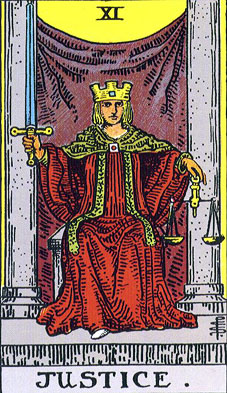
The Major Arcana in tarot represents life’s significant lessons and spiritual journeys. Justice and the Devil are two cards that often appear in readings when themes of balance, morality, and inner conflict arise. Justice, the 11th card in the Major Arcana, symbolizes fairness, truth, and accountability. It represents the universal law of cause and effect, where actions have consequences. The imagery typically features a figure holding a sword and scales, signifying the need for impartial judgment and the weighing of decisions.
In contrast, the Devil card, the 15th in the Major Arcana, embodies bondage, temptation, and materialism. It often depicts a horned figure with chained figures at its feet, representing the chains of addiction, unhealthy attachments, or societal pressures. While Justice calls for clarity and fairness, the Devil highlights the struggles of breaking free from self-imposed limitations or external influences. Together, these cards create a dynamic interplay between liberation and accountability, urging individuals to confront their shadows and seek balance.
Symbolism and Interpretation of Justice
Justice is rich with symbolism that speaks to its core message of equilibrium and righteousness. The scales represent the need to weigh decisions carefully, ensuring that choices are made with integrity. The sword symbolizes the power of truth and the ability to cut through illusions or deceptions. The figure’s crown signifies authority and responsibility, reminding us that our actions have consequences. In a reading, Justice often appears when karmic lessons are at play, urging the querent to take responsibility for their choices and embrace accountability.
Justice also invites reflection on ethical dilemmas and moral dilemmas. It challenges individuals to examine their motivations and the impact of their actions on others. When Justice appears in a spread, it may indicate a need for fairness in a situation, whether in personal relationships, career choices, or legal matters. It can also signal the resolution of a long-standing conflict or the restoration of balance after a period of turmoil.
The Devil: Shadow Work and Liberation
The Devil card is a powerful symbol of the shadow self and the chains that bind us. It represents the aspects of ourselves or our lives that we cling to out of fear, habit, or attachment. These could be unhealthy relationships, addictive behaviors, or limiting beliefs that prevent growth. The chains in the imagery are often loose, suggesting that liberation is possible if we choose to break free. The Devil reminds us that we are not powerless; we have the agency to reclaim our autonomy and rewrite our narratives.
In a tarot reading, the Devil may appear when someone is feeling trapped or controlled, whether by external circumstances or internal struggles. It can also highlight the need to confront fears or face uncomfortable truths. While the card may seem ominous, it serves as a wake-up call, urging the querent to recognize their patterns and take steps toward freedom. The Devil is not just about destruction; it’s about transformation and the potential for rebirth once the chains are broken.

Justice Cards: Tools for Empowerment and Advocacy
Justice Cards extend beyond the traditional tarot deck, serving as powerful tools for advocacy, education, and personal empowerment. These cards are often used in workshops, classrooms, and community spaces to foster dialogue about justice, equity, and systemic change. They can take many forms, from illustrated decks to interactive exercises, and are designed to spark conversations about fairness, inclusion, and social responsibility.
One notable example is the Peace & Justice Cards Deck, which combines art and activism to address issues like racial justice, gender equality, and environmental sustainability. These cards are not just for divination; they are catalysts for action. They encourage individuals to reflect on their role in creating a more just world and to take concrete steps toward positive change. Whether used in group settings or personal reflection, Justice Cards inspire individuals to become agents of transformation in their communities.
Practical Applications: Using Justice and the Devil in Readings
In tarot readings, Justice and the Devil can provide profound insights into personal and collective challenges. When Justice appears, it may signal a time to evaluate decisions with honesty and integrity. It can also indicate legal matters, contracts, or situations where fairness is paramount. For example, if someone is facing a difficult choice at work, Justice might suggest weighing the pros and cons carefully and considering the long-term impact of their actions.
The Devil, on the other hand, often points to areas where we feel stuck or controlled. It may reveal patterns of self-sabotage, toxic relationships, or unhealthy attachments. A reading that includes the Devil could prompt the querent to ask themselves tough questions: What am I holding onto that no longer serves me? What fears are keeping me in this situation? By acknowledging these chains, individuals can begin to reclaim their power and make choices that align with their highest good.
Combining these cards in a spread can offer a nuanced perspective. For instance, if Justice follows the Devil in a reading, it may indicate that breaking free from limiting patterns will lead to greater balance and fairness. Conversely, if the Devil appears after Justice, it could suggest that a situation of perceived fairness is actually masking deeper issues of control or manipulation.
Cultural and Historical Perspectives
The themes of Justice and the Devil are not unique to tarot; they appear in various cultural and historical contexts. In Greek mythology, the goddess Themis embodies justice, while figures like Lucifer represent the duality of light and darkness. In literature, characters often grapple with moral dilemmas, embodying the struggle between good and evil. These archetypes resonate across time and cultures because they tap into universal human experiences: the desire for fairness, the fear of bondage, and the journey toward liberation.
Justice Cards, too, have roots in social justice movements. They are often used in educational settings to teach about equity, human rights, and systemic change. By framing these concepts in an accessible and engaging way, Justice Cards help individuals connect with complex issues on a personal level. They bridge the gap between abstract ideals and tangible action, making justice feel tangible and achievable.
Conclusion
Justice and the Devil are two of the most compelling cards in the tarot, each offering a mirror to our inner and outer worlds. Justice challenges us to embrace accountability, truth, and balance, while the Devil urges us to confront our shadows and break free from what binds us. Together, they create a powerful narrative of liberation and responsibility. Justice Cards extend this conversation beyond the tarot deck, providing tools for advocacy, education, and personal growth. Whether you’re using these cards for divination, self-reflection, or social change, their wisdom is a guiding light on the path to empowerment and justice.
FAQ
What does the Justice card represent in tarot?
The Justice card symbolizes fairness, truth, accountability, and the universal law of cause and effect, urging balanced decisions and moral integrity.
What is the meaning of the Devil card in tarot readings?
The Devil card represents bondage, temptation, unhealthy attachments, and shadow work, encouraging recognition of limiting patterns and seeking liberation.
How can Justice and the Devil cards be used together in a tarot reading?
When combined, these cards highlight the interplay between accountability and liberation, suggesting a narrative of confronting shadows to restore balance and fairness.
What are Justice Cards outside of traditional tarot?
Justice Cards are educational and advocacy tools used for promoting social justice, equity, and systemic change beyond divination, often utilized in workshops and community settings.
Leave a Reply