Short Answer
Welcome to a deep dive into the enigmatic world of Phasmophobia Tarot Cards, where the boundaries between the digital and the arcane blur. In this guide, we’ll explore the Death Card—a symbol steeped in mystery and transformation. You’ll uncover how this card manifests in the eerie atmosphere of Phasmophobia, a horror game where ghostly encounters feel terrifyingly real, and contrast it with its traditional meanings in real-life tarot readings. By the end, you’ll see how the Death Card bridges the supernatural and the symbolic, offering insights into both the game’s chilling mechanics and the timeless language of tarot.
The Death Card in Phasmophobia: A Haunting Presence
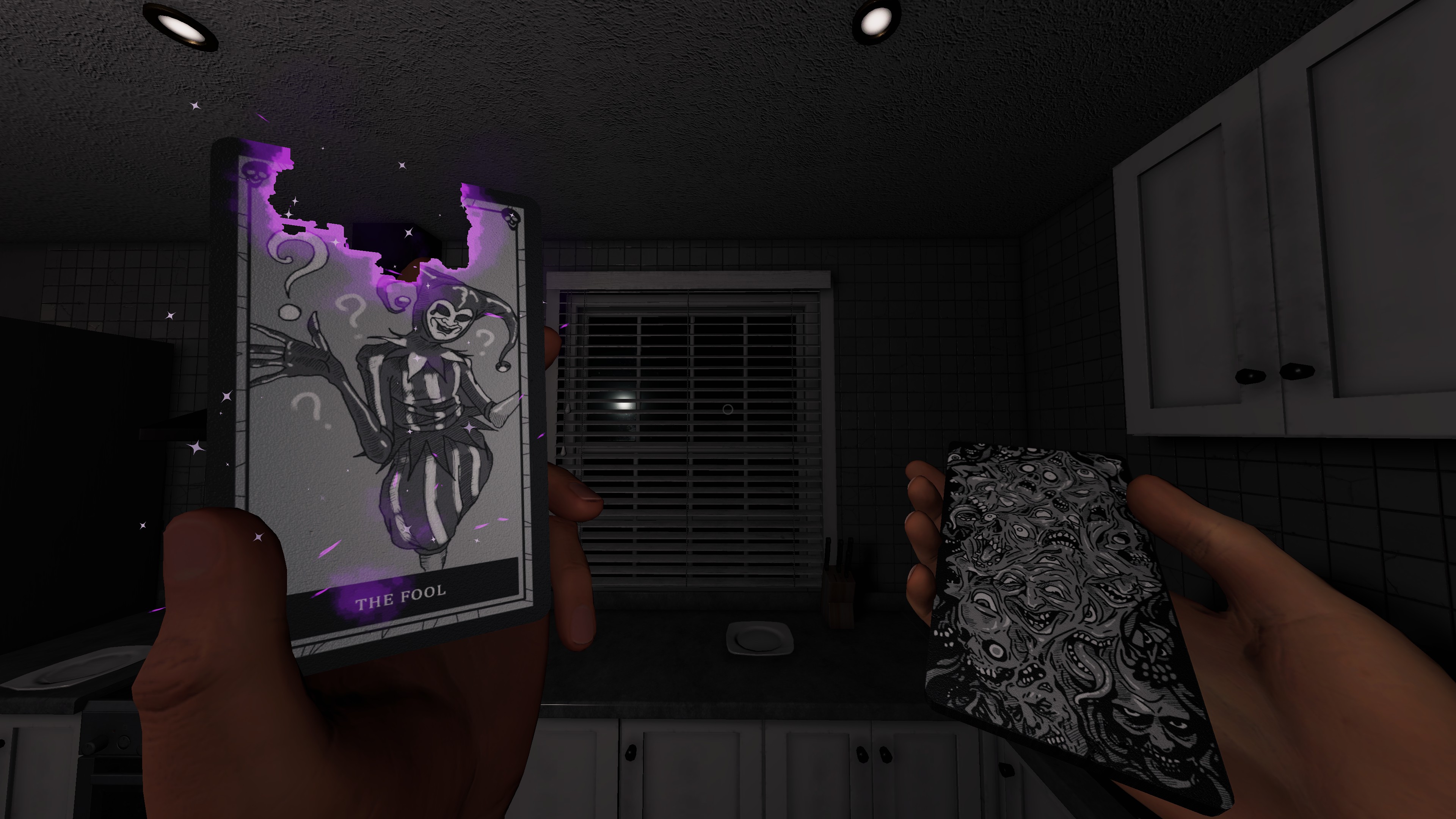
In Phasmophobia, the Death Card isn’t just a prop—it’s a harbinger of chaos. When drawn during a ghost hunt, it signals a sudden and unpredictable surge in paranormal activity. The card’s appearance often coincides with the ghost’s most aggressive behaviors: doors slamming shut, objects flying, or even the infamous smudge stick failure, where your last line of defense against the spirit crumbles. Unlike other tarot cards that might offer clues or buffs, the Death Card feels like a curse, a reminder that the ghost is in control.
What makes the Death Card so unsettling in-game is its unpredictability. It doesn’t follow a set pattern like the Smudge Stick or Crucifix cards. Instead, it acts as a wildcard, amplifying the ghost’s strength or introducing new, terrifying mechanics. For players, this card demands adaptability—whether it’s hastily setting up new evidence collection or bracing for a sanity drain that can leave you vulnerable. The Death Card doesn’t just foreshadow danger; it is danger, wrapped in the guise of a simple playing card.

Real-Life Tarot: The Death Card as a Metaphor for Transformation
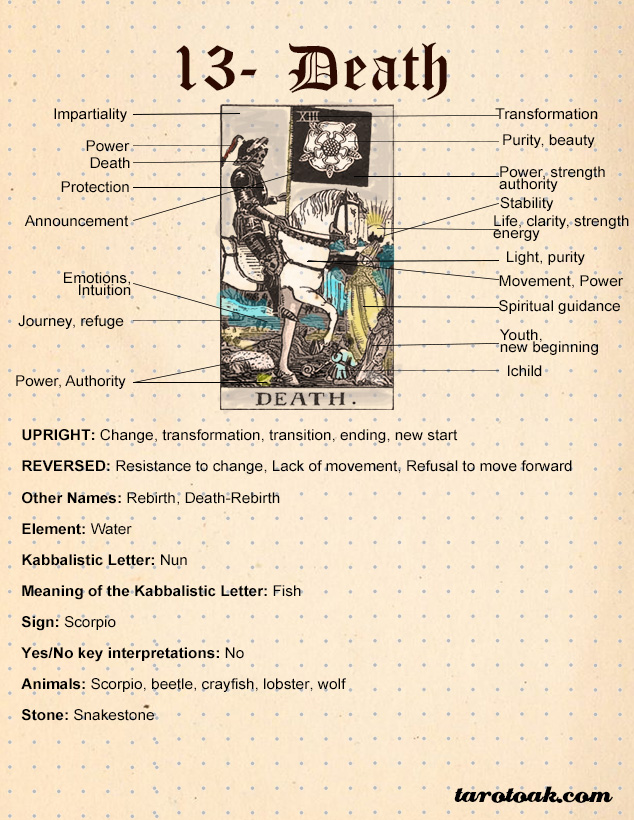
In traditional tarot, the Death Card (Card XIII) is one of the most misunderstood symbols. Far from representing literal demise, it embodies transformation, endings, and rebirth. Picture a phoenix rising from ashes or a caterpillar cocooning into a butterfly—the Death Card is about shedding old layers to make way for growth. In a reading, it might signal the end of a toxic relationship, a career shift, or a personal awakening.
The card’s imagery reinforces this theme: a skeletal figure on horseback, often holding a black flag, rides through a field of fallen bodies. Yet, the bodies aren’t lifeless—they’re transitioning. The black flag symbolizes the unknown, while the rising sun in the background hints at new beginnings. This duality—destruction and renewal—is what gives the Death Card its power. It’s a reminder that to evolve, we must sometimes let go of what no longer serves us.
Contrasting the In-Game and Real-Life Death Card
The Death Card in Phasmophobia and real-life tarot share a core theme: change. However, the contexts couldn’t be more different. In the game, change is forced—the ghost’s whims dictate when and how the card’s effects manifest, often with dire consequences. Players react in real-time, their strategies evolving under pressure. The card’s role is to disrupt, to test, to force adaptation.
In contrast, real-life tarot readings offer a collaborative exploration. The Death Card invites introspection, encouraging the querent to reflect on what needs to end before new growth can occur. It’s a tool for guidance, not a punishment. This juxtaposition highlights a fascinating duality: the Death Card in Phasmophobia is a reactive force, while in tarot, it’s a proactive symbol. One thrives in chaos; the other seeks to bring meaning to it.
This contrast also underscores the game’s genius in blending horror with esoteric symbolism. By incorporating tarot cards—traditionally tools of divination—into a survival horror experience, Phasmophobia creates a unique atmosphere where the supernatural feels both tangible and symbolic. The Death Card, in particular, bridges these worlds, making players question: Is the ghost’s aggression random, or is it a metaphor for the inevitability of change?
The Psychological Appeal of the Death Card in Horror Games
Why does the Death Card resonate so deeply in horror games like Phasmophobia? The answer lies in its universal themes. Fear of the unknown, loss of control, and the inevitability of change are primal human anxieties. The Death Card taps into these fears, making its appearance in-game feel like a personal omen. When players draw it, they’re not just facing a game mechanic—they’re confronting their own mortality and the fragility of their in-game existence.
Moreover, the Death Card’s unpredictability mirrors real-life trauma. Just as a sudden loss or upheaval can derail our plans, the card’s effects in Phasmophobia force players to adapt on the fly. This creates a sense of helplessness that heightens the horror. Yet, it also offers a perverse thrill—the challenge of overcoming the card’s effects becomes a test of skill and resilience. In this way, the Death Card isn’t just a villain; it’s a catalyst for player growth, both in-game and in the broader context of the horror genre.
How to Navigate the Death Card in Phasmophobia
If you find yourself staring at the Death Card on your screen, don’t panic—there are strategies to mitigate its effects. First, prioritize evidence collection. The card’s effects are often tied to the ghost’s strength, so gathering proof early can reduce its impact. Second, communicate with your team. The Death Card’s effects can be chaotic, so clear, concise calls for help are crucial. Third, use your environment to your advantage. If the ghost is slamming doors, barricade yourself in a safe room. If sanity is draining, take a break to recover.
Remember, the Death Card isn’t unbeatable—it’s a puzzle. The more you play, the better you’ll understand its patterns, even if they’re not explicitly stated. And who knows? You might even start to see the card’s effects as a challenge rather than a curse. After all, in the world of Phasmophobia, every encounter with the Death Card is a lesson in adaptability.
Conclusion
The Death Card in Phasmophobia and real-life tarot serves as a powerful reminder of life’s dualities: endings and beginnings, fear and growth, chaos and control. In the game, it’s a relentless force that tests players’ wits and nerves, while in tarot, it’s a guidepost for personal evolution. Together, they create a fascinating intersection where horror and symbolism collide, offering players and seekers alike a chance to confront their deepest fears—and perhaps, in the process, emerge stronger.
Whether you’re a ghost hunter braving the unknown or a tarot enthusiast seeking clarity, the Death Card invites you to embrace change. After all, in both the digital and the metaphysical realms, the only constant is transformation.
FAQ
What is the significance of the Death Card in Phasmophobia?
The Death Card in Phasmophobia acts as a wildcard that intensifies ghost activity, introducing unpredictable and challenging paranormal events.
How does the Death Card differ in tarot compared to the game?
While in the game it represents danger and chaos, in tarot it symbolizes transformation, endings, and new beginnings, encouraging growth.
Can the Death Card effects in Phasmophobia be mitigated?
Yes, strategies include collecting evidence early, team communication, and using the environment to stay safe from aggressive ghost behavior.
Why is the Death Card a powerful symbol in horror games?
Because it evokes fears of loss of control and the unknown, mirroring real-life anxieties and enhancing the horror experience.
Leave a Reply