Short Answer
Have you ever drawn the Death card in a tarot reading and felt a shiver run down your spine, wondering if it’s predicting a literal end? While the Death card is often misunderstood as a harbinger of physical demise, its true meaning is far more nuanced. In this guide, we’ll explore when the Death card might take on a literal interpretation—though it’s rare—and how to navigate the emotional and psychological challenges it can pose. By the end, you’ll understand how to discern between metaphorical transformation and genuine foreboding, empowering you to approach this powerful card with clarity and confidence.
What Does the Death Card Really Mean?
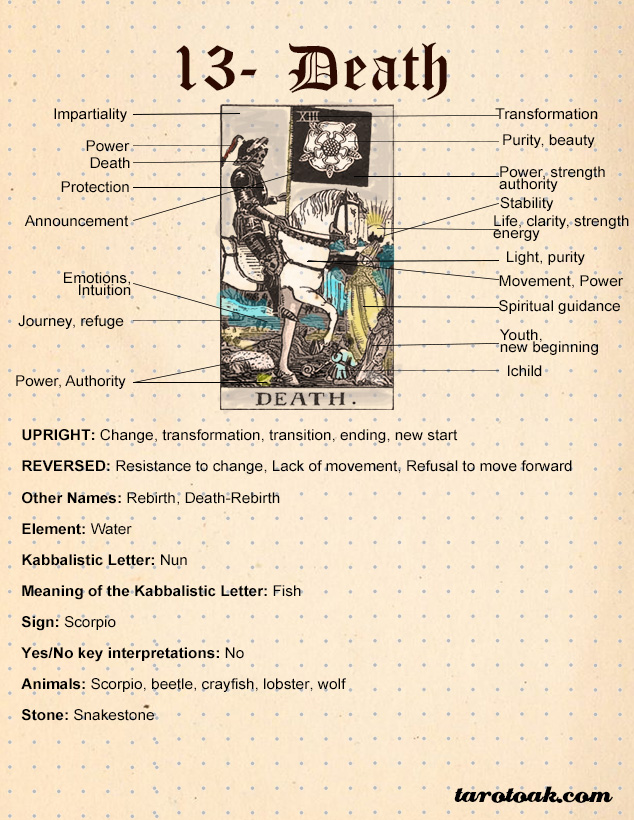
The Death card is one of the most feared in the tarot deck, often associated with endings, loss, and transformation. However, its primary symbolism revolves around metaphorical death—the end of a cycle, a relationship, a job, or an outdated version of yourself. The card depicts a skeletal figure riding a white horse, often carrying a black flag adorned with a white rose, symbolizing purity amidst decay. This imagery suggests that what appears to be an ending is actually a necessary transition for growth.
In most cases, the Death card signals rebirth rather than literal demise. It invites you to release what no longer serves you, whether it’s a toxic habit, a stagnant career, or an unfulfilling relationship. The card’s energy is about shedding old layers to make way for something new. That said, there are rare instances where the Death card might hint at a literal interpretation—though this is uncommon and typically requires additional context from the reading.
When Could Death Be Literal? Understanding the Rarity
While the Death card is overwhelmingly symbolic, there are a few scenarios where it might suggest a literal interpretation. These cases usually involve:
- Health Readings: If the Death card appears in a spread focused on health, it could indicate a serious illness or a life-threatening situation. However, this is not a definitive prediction but rather a warning to take preventive measures or seek medical advice.
- Sudden Loss: In readings about unexpected events, the Death card might foreshadow a sudden loss—whether of a loved one, a job, or a cherished possession. Again, this is not a certainty but a call to prepare emotionally and practically.
- Extreme Transitions: In some cases, the Death card can symbolize a literal end, such as moving to a new place, ending a phase of life (e.g., retirement), or even the death of a pet. These are still metaphorical in nature but may feel like a “death” in the physical sense.
It’s crucial to remember that tarot cards are not set in stone. They reflect probabilities and energies, not absolute fate. If the Death card appears in a context that feels ominous, it’s an invitation to reflect on what needs to change in your life—not to panic about impending doom.
Posing a Playful Question: What If Death Isn’t the End?
Let’s reframe the Death card with a lighter touch. Imagine drawing this card and asking yourself: “What if this isn’t about dying, but about finally living?” The Death card challenges you to confront your fears and embrace change. Instead of seeing it as a threat, consider it a cosmic nudge to let go of what’s holding you back.
For example, if you’ve been clinging to a dead-end job out of fear, the Death card might be urging you to quit and pursue something more fulfilling. If you’re stuck in a relationship that drains you, it could be time to walk away. The card’s message is clear: resistance to change only prolongs the pain. By embracing the “death” of the old, you make space for renewal.
Try this exercise: Write down one thing you’ve been avoiding changing—whether it’s a habit, a relationship, or a mindset—and ask the Death card how it’s holding you back. The answer might surprise you.
The Challenge: Facing the Fear of the Unknown
Even when the Death card is symbolic, it can evoke deep-seated fears about the unknown. The challenge lies in trusting the process of transformation. Many people resist change because it feels like stepping into the abyss, but the Death card reminds us that the abyss is where growth happens.
Here’s how to navigate the challenge:
- Reframe Your Mindset: Instead of seeing the Death card as a warning, view it as a catalyst for reinvention. Ask yourself: “What part of my life is ready to die so something better can be born?”
- Take Small Steps: If the idea of massive change feels overwhelming, start with tiny shifts. For example, if the Death card suggests ending a toxic friendship, begin by setting boundaries before cutting ties completely.
- Seek Support: Change is easier when you have a support system. Talk to trusted friends, a therapist, or even a tarot reader to gain perspective on what the Death card might be revealing.
- Trust the Universe: The Death card often appears when the universe is aligning to push you toward your highest good. Even if the transition feels painful, remind yourself that it’s leading you somewhere better.
How to Tell If Death Is Literal or Metaphorical
Distinguishing between a literal and metaphorical Death card requires intuition and context. Here are some clues to help you interpret it accurately:
- Surrounding Cards: Look at the cards around the Death card. If they’re mostly positive (e.g., The Sun, The Star), the Death card is likely symbolic. If they’re ominous (e.g., The Tower, Ten of Swords), it might hint at a literal interpretation.
- Your Emotional Response: How do you feel when you see the Death card? If you experience dread or panic, it could be pointing to a fear of change rather than a literal prediction. If you feel a sense of relief, it’s probably symbolic.
- The Question Asked: The context of your reading matters. If you asked about love, career, or personal growth, the Death card is almost certainly metaphorical. If you asked about health or a specific event, it might warrant closer attention.
- Timing: Literal interpretations often come with a sense of urgency, while metaphorical ones feel more like a gradual process. If the Death card suggests something will happen “soon,” it could be more literal.
Conclusion
The Death card is one of the most misunderstood in the tarot deck, often feared for its dramatic imagery and association with endings. However, its true power lies in its ability to guide us through transformation. While it’s rare for the Death card to predict a literal death, it’s always a call to release what no longer serves you and embrace the unknown.
Next time you draw the Death card, ask yourself: “What am I being asked to let go of?” Trust that the universe is conspiring to help you grow, even if the path feels uncertain. After all, every ending is just a new beginning in disguise.
FAQ
What does the Death card mean in tarot?
It primarily symbolizes transformation, endings, and new beginnings rather than physical death.
Can the Death card ever mean a literal death?
Yes, but it is rare and usually requires specific context such as health readings or sudden loss indications.
How do I know if the Death card is literal or symbolic?
Look at the surrounding cards, your emotional reaction, and the question asked for clues.
What should I do if I draw the Death card?
Reflect on what you need to release or change, and seek support to navigate transformation.
Leave a Reply