Short Answer
Ever wondered why certain religious figures—popes, priests, and priestesses—hold such a mystical allure in art, history, and culture? These roles aren’t just about faith; they’re steeped in symbolism, power dynamics, and archetypal energy that shape how we perceive spirituality. In this guide, we’ll explore the fascinating world of Pope, Priest, and Priestess archetypes, their historical roots, cultural significance, and even how they’re portrayed in modern media. By the end, you might see these figures in a whole new light—or at least have a few fun questions to ponder!
Understanding Religious Archetypes: What Are They?
Archetypes are universal symbols or themes that recur across cultures and history, acting as the building blocks of storytelling, art, and even personal identity. In the realm of religion, archetypes like the Pope, priest, and priestess represent different facets of spiritual authority, guidance, and connection to the divine. These roles often embody ideals such as wisdom, purity, or moral authority, but they can also reflect power struggles, gender dynamics, and societal expectations.
The Pope, for instance, is often seen as the ultimate spiritual leader, a bridge between humanity and the divine. Priests, in many traditions, serve as intermediaries who perform rituals and offer guidance, while priestesses—especially in ancient cultures—were often seen as keepers of sacred knowledge, healers, or even oracles. These roles aren’t just historical footnotes; they continue to influence how we view leadership, spirituality, and gender in religious contexts today.
The Pope: Symbol of Ultimate Authority
The Pope, as the head of the Catholic Church, is one of the most recognizable religious figures in the world. His role is steeped in tradition, symbolism, and a sense of unbroken lineage dating back to Saint Peter. The Pope isn’t just a spiritual leader; he’s a political figure, a cultural icon, and often a lightning rod for controversy. His white robes, the papal ring, and the sedia gestatoria (the portable throne) all carry deep symbolic meaning, representing purity, authority, and divine mandate.
But what does the Pope archetype represent beyond the Catholic Church? In a broader sense, the Pope can symbolize the idea of a “perfect leader”—someone who is infallible (in Catholic doctrine), morally upright, and tasked with guiding a global community. This archetype can also reflect the tension between institutional power and personal faith. For example, popes throughout history have been both revered and criticized, highlighting how authority can be both a source of inspiration and oppression.
Priests: The Everyday Guides of Faith
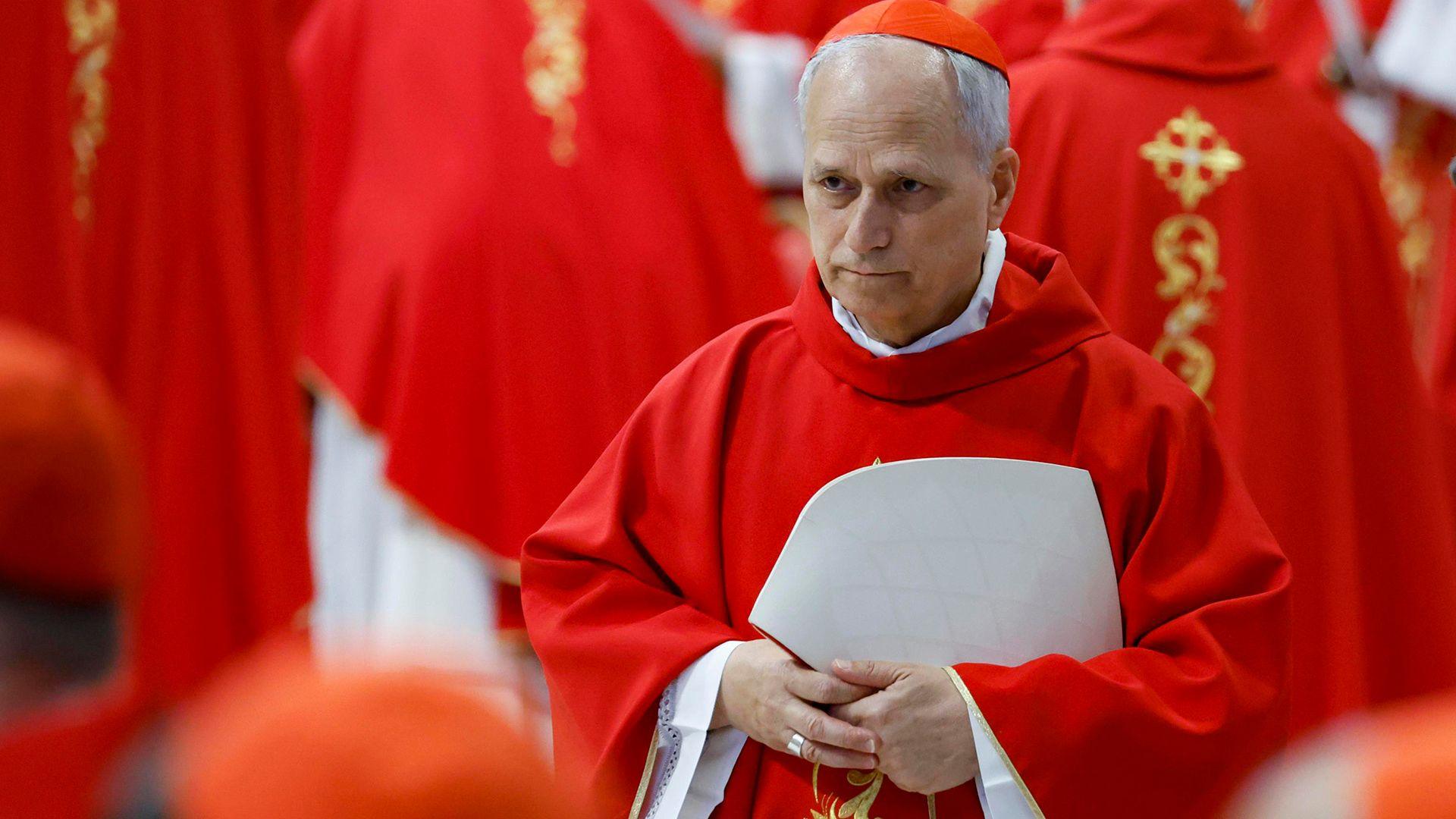
Priests, unlike popes, are often seen as more accessible figures—local leaders who bring spirituality into the lives of everyday people. They perform sacraments, offer counseling, and serve as a constant presence in their communities. The priest archetype is deeply tied to service, humility, and the idea of a “shepherd” leading a flock. In many cultures, priests are also seen as guardians of tradition, ensuring that rituals and teachings are passed down accurately.
However, the priest archetype isn’t without its complexities. Historically, priests have been both revered and feared—sometimes accused of abusing their power or exploiting their position. This duality is reflected in modern media, where priests are often portrayed as either saintly figures or dark, manipulative characters. The priest archetype also raises questions about celibacy, gender roles, and the balance between personal desires and religious duty.
What if priests weren’t required to be celibate? How would that change the way we view their role in society? These questions invite us to reflect on the structures that shape religious leadership—and whether they serve the people or the institution.
Priestesses: The Forgotten Keepers of Sacred Wisdom
Priestesses, particularly in ancient cultures like Mesopotamia, Egypt, and Greece, were often seen as powerful spiritual figures who could communicate with the divine. Unlike priests, who were typically male, priestesses held roles that were both sacred and political. For example, the Vestal Virgins of Rome were priestesses who tended the sacred fire of Vesta, a symbol of Rome’s prosperity and continuity. Their virginity was a sacred duty, and breaking it was punishable by death—a stark contrast to the celibacy of Christian priests.
The priestess archetype is fascinating because it challenges modern assumptions about gender and spirituality. In many ancient societies, priestesses were not just assistants to male priests; they were independent spiritual leaders who could perform rituals, interpret omens, and even influence political decisions. This archetype also ties into the idea of the “sacred feminine”—a concept that has seen a resurgence in modern spirituality, where priestesses are often associated with healing, intuition, and connection to nature.
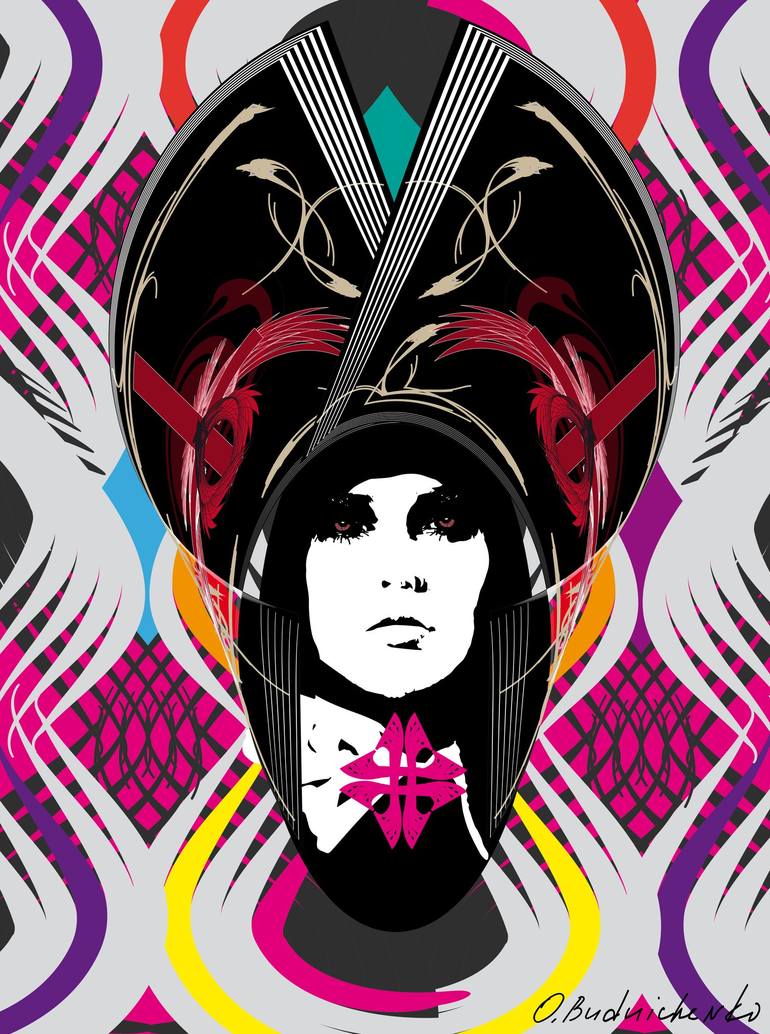
But what happened to the priestess archetype? Why did it fade in many traditions, only to be revived in modern neo-pagan or feminist spiritual movements? Exploring this question can lead to deeper reflections on how gender, power, and spirituality intersect—and how these roles might evolve in the future.
Religious Archetypes in Art and Media
Art and media have long been fascinated by religious archetypes, using them to explore themes of power, morality, and human nature. From Renaissance paintings of popes and saints to modern films like The Da Vinci Code, these figures are often portrayed as enigmatic, mysterious, or even villainous. For example, the character of the High Priestess in tarot cards represents intuition and hidden knowledge, drawing on the ancient archetype of the priestess.
In contemporary art, religious figures are often reimagined to challenge traditional narratives. Take the concept of “Pope Joan,” a legendary female pope who supposedly ruled in the 9th century. Whether historical or mythical, Pope Joan’s story has inspired countless works of art, literature, and even music. It raises playful yet profound questions: What if the most powerful religious figure in history was a woman? How would that change our understanding of the Church?
Similarly, priest and priestess characters in literature and film often serve as mirrors for societal issues. A corrupt priest might reflect the hypocrisy of institutional religion, while a wise priestess could symbolize the return of feminine spiritual power. These portrayals invite us to question the roles we assign to religious figures—and whether they truly serve the people or the systems they represent.
Playful Questions and Challenges: Putting Archetypes to the Test
Let’s have some fun with these archetypes! Here are a few playful questions to spark your imagination:
- If a priestess were to lead the Catholic Church today, how would the institution change?
- What if popes were elected by popular vote instead of by cardinals? Would that make them more or less powerful?
- Could a priest ever be a parent? How would that challenge traditional views of celibacy?
- If the High Priestess tarot card were a real person, what kind of wisdom would she share with the world?
Now, here’s a challenge for you: Pick one of these archetypes—pope, priest, or priestess—and imagine a day in their life. What rituals do they perform? What struggles do they face? How do they interact with their community? Write a short story or create an artwork inspired by your vision. You might discover something unexpected about the role—and about yourself!
Conclusion: The Enduring Power of Religious Archetypes
Religious archetypes like the Pope, priest, and priestess are more than just historical or cultural relics; they’re living symbols that continue to shape our world. Whether through art, media, or personal reflection, these figures invite us to explore questions of power, gender, faith, and identity. They challenge us to think critically about the structures that govern our spiritual lives—and to imagine what those structures could look like in the future.
So the next time you see a pope in white robes, a priest performing a ritual, or a priestess in an ancient temple, ask yourself: What story is being told here? What ideals are being upheld—or questioned? And most importantly, what does this archetype mean to you?
The answers might surprise you.
FAQ
What is a religious archetype?
A religious archetype is a universal symbol or theme representing spiritual roles and ideals that recur across cultures and history.
Who is the Pope archetype?
The Pope archetype represents ultimate spiritual authority, tradition, and leadership within and beyond the Catholic Church.
What role do priestesses play in spirituality?
Priestesses often embody the sacred feminine, serving as spiritual leaders, healers, and keepers of esoteric wisdom, especially in ancient cultures.
How do priests differ from priestesses?
Priests typically act as intermediaries and ritual leaders, often male and celibate, while priestesses historically held independent and sometimes political spiritual roles.
Leave a Reply