Short Answer
In this guide, you’ll explore the fascinating world of upside-down and reverse meanings, uncovering how flipped images, symbols, and words can reveal hidden messages, shift perspectives, and spark curiosity. Whether you’re intrigued by visual illusions, symbolic interpretations, or the psychological impact of reversed imagery, this article will provide deep insights into how these concepts work and why they captivate us. By the end, you’ll understand the power of perspective shifts and how to apply these ideas in creative, personal, and even spiritual contexts.
The Psychology Behind Upside-Down and Reverse Meanings
Human perception is wired to recognize patterns and familiar shapes, making upside-down or reversed imagery inherently intriguing. When an image is flipped, the brain struggles to process it immediately, creating a moment of cognitive dissonance. This disruption forces the viewer to pause, re-evaluate, and often reconsider their initial interpretation. Psychologists suggest that this phenomenon taps into our curiosity and desire for novelty, as the brain seeks to reconcile the unfamiliar with the known.
Reversed meanings also play on the concept of negative space—the empty or contrasting area around an object—which can highlight details that are otherwise overlooked. For example, an upside-down heart might symbolize instability or a shift in emotional priorities, whereas a right-side-up heart traditionally represents love and stability. This duality makes reversed imagery a powerful tool for communication, art, and even marketing, where subverting expectations can leave a lasting impression.
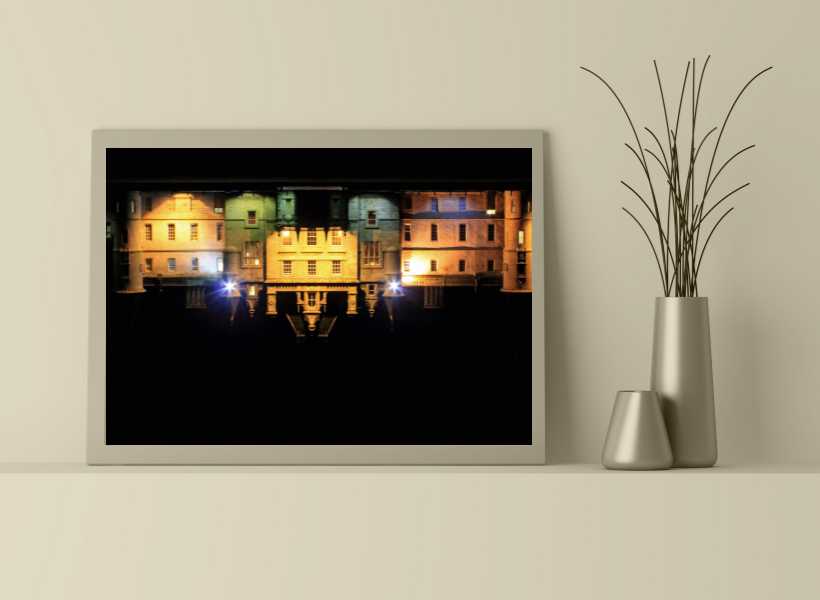
Symbolism in Flipped Imagery: From Hearts to Arrows
Symbols take on entirely new meanings when reversed, often reflecting cultural, emotional, or spiritual shifts. One of the most recognizable examples is the heart symbol. While a right-side-up heart universally signifies love, an upside-down heart can represent instability, unrequited feelings, or a need for change. Similarly, arrows pointing downward may indicate decline or caution, whereas upward arrows symbolize growth or ambition.
In spiritual contexts, reversed imagery is often used to convey transformation or enlightenment. For instance, an inverted cross (a cross with the vertical beam below the horizontal one) is sometimes associated with humility or a rejection of traditional power structures. However, it’s essential to consider the cultural context, as symbols can carry vastly different meanings across societies. For example, in some cultures, an upside-down triangle represents femininity or the divine feminine, while in others, it may symbolize instability or danger.
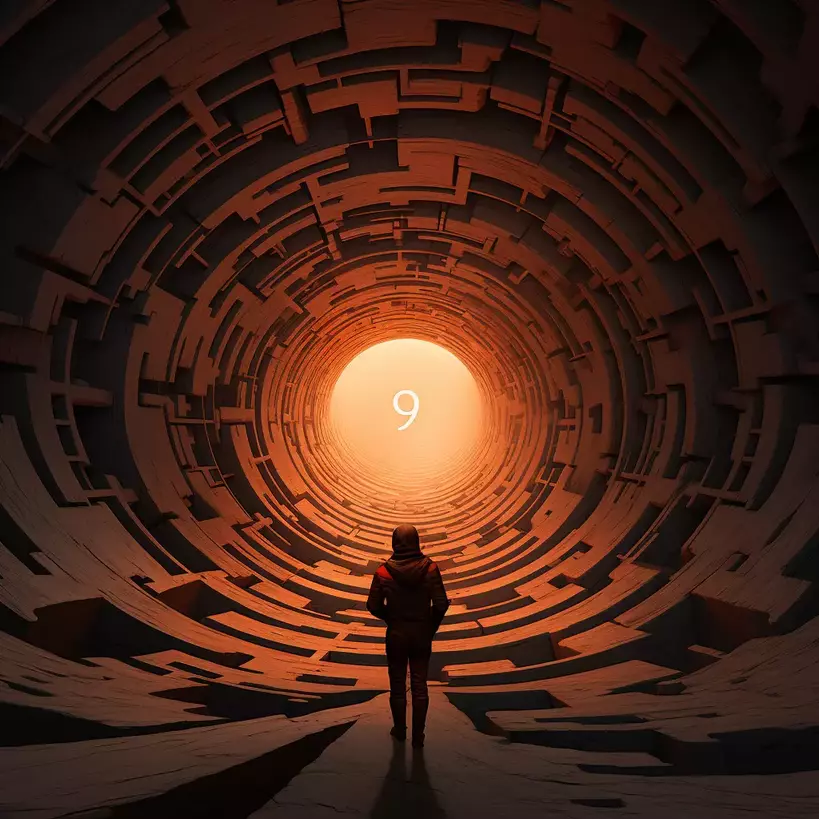
Language and Words: The Power of Reversed Phrases
Reversed or mirrored language adds another layer of intrigue, often used in slogans, poetry, or even secret codes. When words are flipped, they can take on double meanings, puns, or hidden messages. For example, the phrase “live” becomes “evil” when reversed, playing on the contrast between life and malevolence. This technique is popular in branding, where companies use palindromic or mirrored words to create memorable and thought-provoking names.
In literature and art, reversed language can symbolize chaos, rebellion, or the subconscious mind. Surrealist writers like André Breton experimented with automatic writing and reversed phrases to tap into the unconscious, believing that flipping language could unlock deeper truths. Similarly, in modern digital communication, emojis and text are often flipped or mirrored for aesthetic or humorous effect, further proving the versatility of reversed language in conveying emotion and intent.

Cultural and Spiritual Interpretations of Upside-Down Imagery
Across cultures and spiritual traditions, upside-down imagery carries diverse meanings, often tied to themes of inversion, renewal, or divine intervention. In Hinduism, the god Shiva is sometimes depicted in an upside-down posture during his cosmic dance, symbolizing the cyclical nature of creation and destruction. In Christianity, the upside-down cross is associated with St. Peter, who requested to be crucified upside down as a sign of humility.
In shamanic and indigenous traditions, reversed symbols are often used in rituals to represent a shift between worlds or states of consciousness. For example, an upside-down animal totem might signify a journey into the underworld or a connection with the spirit realm. These interpretations highlight how flipped imagery can serve as a bridge between the physical and metaphysical, inviting viewers to explore deeper layers of meaning.
It’s important to approach these symbols with an open mind, recognizing that their significance can vary widely. What one culture views as a sign of transformation, another might interpret as a warning or omen. This diversity underscores the richness of symbolic language and the importance of context in understanding reversed imagery.
Creative Applications: Using Reversed Meanings in Art and Design
Artists and designers frequently leverage upside-down and reverse meanings to challenge perceptions and evoke emotion. Surrealist painters like Salvador Dalí and René Magritte often used inverted or distorted imagery to create dreamlike, thought-provoking scenes. Magritte’s famous painting The Treachery of Images (featuring a pipe with the caption “This is not a pipe”) plays with the idea of reversed expectations, forcing viewers to question reality.
In graphic design, mirrored or flipped elements can draw attention to a focal point, create visual tension, or convey a sense of movement. For example, a logo designed with an inverted element might symbolize innovation or a break from tradition. Similarly, in photography, flipping an image can emphasize symmetry, highlight negative space, or create a sense of unease, depending on the subject matter.
For writers and storytellers, reversed meanings can add depth to narratives. A character who sees the world upside down might represent an outsider’s perspective or a challenge to societal norms. By subverting expectations, creators can engage audiences on a deeper level, prompting them to reflect on their own biases and assumptions.
How to Interpret Upside-Down Symbols in Everyday Life
Recognizing and interpreting upside-down or reversed symbols in daily life can enhance your awareness of hidden messages and cultural nuances. Start by observing familiar objects or images in your environment—how does flipping them change their meaning? For example, a clock showing 6:00 (upside-down from the usual 12:00) might symbolize a pause or reset in time.
Pay attention to logos, emblems, and even traffic signs, as many incorporate reversed or mirrored elements for specific effects. A company logo with an inverted element might suggest modernity or a departure from tradition. In personal development, you can use reversed imagery as a meditation tool, flipping a symbol to explore its opposite meaning and uncover new insights about your goals or challenges.
It’s also helpful to keep a journal of reversed symbols you encounter, noting their context and your emotional response. Over time, you’ll develop a keener eye for these details and a deeper understanding of how they influence perception and behavior.
Conclusion
Upside-down and reverse meanings offer a gateway to new perspectives, inviting us to question, explore, and reinterpret the world around us. From the psychological impact of flipped imagery to the rich symbolism in art and spirituality, these concepts challenge our assumptions and spark curiosity. By embracing the power of inversion, we can unlock creativity, gain deeper insights, and even transform our approach to problem-solving.
Whether you’re an artist, a spiritual seeker, or simply someone who appreciates the beauty of reversed meanings, this guide provides a foundation for exploring the hidden layers of flipped imagery. The next time you encounter an upside-down symbol, take a moment to pause—it might just reveal a perspective you’ve never considered before.
FAQ
What does it mean when a symbol is upside-down?
An upside-down symbol often represents a shift in meaning, such as instability, transformation, or a challenge to traditional interpretations depending on cultural or spiritual context.
Why are reversed images psychologically intriguing?
Reversed images create cognitive dissonance by disrupting familiar patterns, causing the brain to pause and re-evaluate the image, which stimulates curiosity and deeper processing.
How can reversed meanings be used in art and design?
Artists and designers use reversed meanings to challenge perceptions, evoke emotions, create visual tension, and symbolize innovation or transformation.
Are upside-down symbols interpreted the same across cultures?
No, interpretations vary widely by culture and context; the same upside-down symbol can signify humility, danger, transformation, or warning.
How can I apply the concept of reversed meanings in daily life?
You can observe flipped symbols around you to gain new insights, use them in meditation to explore opposite meanings, and keep a journal to track and interpret these symbols over time.
Leave a Reply