Short Answer
Welcome to a deep dive into the enigmatic world of the Rider Waite Tarot Wiki, where tradition meets mystery and every card tells a story. Whether you’re a seasoned tarot reader or a curious newcomer, this guide will unravel the lesser-known truths about the deck that has captivated minds for over a century. You’ll discover the hidden symbolism, the controversial origins, and the playful challenges that make the Rider Waite Tarot more than just a set of illustrated cards. Prepare to question everything you thought you knew.
The Birth of a Legend: A Deck Shrouded in Mystery
The Rider Waite Tarot, first published in 1909, is often hailed as the most influential tarot deck in history. But who were the masterminds behind its creation? While Arthur Edward Waite, a member of the Hermetic Order of the Golden Dawn, is credited as the designer, the true artistic genius was Pamela Colman Smith. Her illustrations transformed the deck from a mere game into a profound spiritual tool. Yet, Smith’s contributions were largely overshadowed by Waite’s name, raising questions about credit and recognition in the esoteric world.
The deck’s name itself is a puzzle. “Rider” refers to the publisher, William Rider & Son, while “Waite” is the author. But why “Rider”? Some speculate it was a nod to the Rider-Waite-Smith collaboration, while others suggest it was simply a marketing choice. The ambiguity only adds to the deck’s mystique.
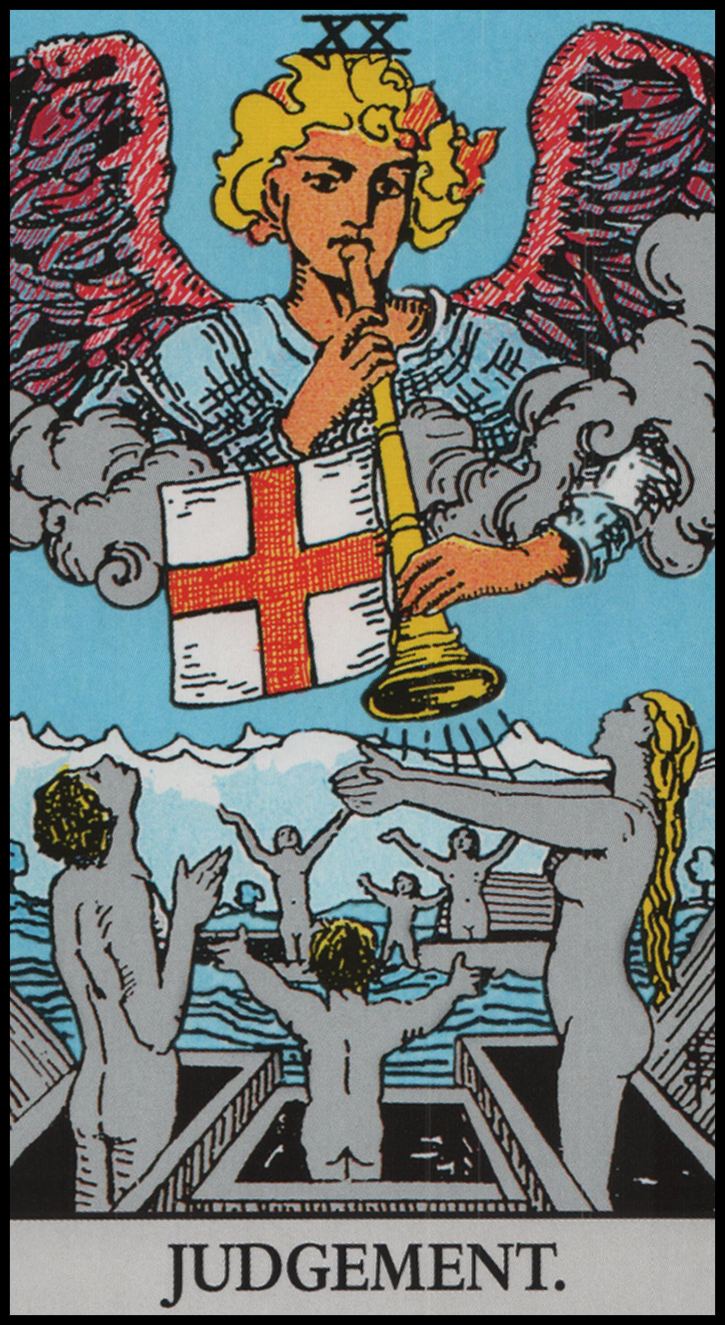
Decoding the Symbolism: More Than Meets the Eye
The Rider Waite Tarot is renowned for its rich symbolism, but what do these symbols really mean? Take the High Priestess card, for example. She sits between two pillars, one black and one white, often interpreted as the duality of life. But why these specific colors? Some believe the black pillar represents the material world, while the white one symbolizes the spiritual. Others argue it’s a reference to the pillars of Solomon’s Temple, adding a layer of biblical lore to the deck.
The Fool card, often seen as the starting point of the Major Arcana, is another enigma. Traditionally depicted as a young man standing at the edge of a cliff, he carries a small bag and a white rose. The cliff represents a leap of faith, but why the rose? Some tarot scholars suggest it symbolizes purity and innocence, while others propose it’s a nod to the Fool’s journey toward enlightenment. The ambiguity invites personal interpretation, making the deck a canvas for individual exploration.
The Minor Arcana is equally layered. The suit of Cups, for instance, is often associated with emotions and relationships. But why are the cups overflowing in some illustrations? Is it a sign of abundance or emotional excess? The answer lies in the reader’s perspective, proving that the Rider Waite Tarot is as much about intuition as it is about tradition.
The Controversies: What Wikipedia Won’t Tell You
While Wikipedia presents the Rider Waite Tarot as a straightforward esoteric tool, the reality is far more complex. One of the most contentious debates revolves around the deck’s Christian influences. Waite, a devout Christian, infused the deck with biblical references, from the Ten Commandments in the Hierophant card to the crucifix in the Death card. But is this a genuine spiritual pursuit or a form of religious appropriation? Critics argue that Waite’s Christian leanings overshadow the deck’s broader esoteric roots, including its ties to Kabbalah and alchemy.
Another controversy stems from the deck’s commercialization. Originally, tarot decks were hand-painted and reserved for the elite. The Rider Waite Tarot, however, was mass-produced, making it accessible to the masses. While this democratized the practice of tarot reading, it also diluted the deck’s sacredness for some purists. The question remains: Does accessibility enhance or diminish the tarot’s power?
The deck’s gender dynamics have also sparked debate. Pamela Colman Smith’s illustrations feature women in passive roles, such as the Empress and the High Priestess, while men dominate active roles like the Emperor and the Hierophant. Some modern tarot readers argue that this reflects the societal norms of the early 20th century, while others see it as a limitation of the deck’s design. How does this influence contemporary interpretations of the cards?
A Playful Challenge: Can You Spot the Hidden Messages?
Beyond its symbolism, the Rider Waite Tarot is filled with hidden messages and Easter eggs. Take the Magician card, for example. His table is adorned with symbols of the four suits—wands, cups, swords, and pentacles—representing the elements. But look closely, and you’ll notice something peculiar: the infinity symbol above his head. Is this a nod to the infinite possibilities of the tarot, or a subtle reference to alchemical concepts? The answer is yours to uncover.
Another challenge lies in the Minor Arcana. The suit of Swords, often associated with conflict and intellect, features a recurring motif: the sword’s blade is always pointing downward in the pip cards. Why? Some suggest it symbolizes the need to temper one’s intellect with wisdom, while others propose it’s a visual cue to avoid reckless decisions. The ambiguity invites readers to engage with the deck on a deeper level.
For a truly playful exercise, try interpreting the cards without relying on traditional meanings. Let your intuition guide you as you explore the imagery. What does the Tower card mean to you when stripped of its reputation as a harbinger of chaos? The Rider Waite Tarot is a tool for self-discovery, and its true power lies in your ability to make it your own.

Beyond the Cards: The Rider Waite Tarot in Pop Culture
The influence of the Rider Waite Tarot extends far beyond the esoteric community. From literature to film, the deck has left an indelible mark on popular culture. In the Harry Potter series, the tarot is referenced through the character Sybill Trelawney, who uses the cards to predict the future. But why the Rider Waite Tarot specifically? Some speculate it’s because of its widespread recognition, while others argue it’s due to its rich symbolism, which aligns with the magical themes of the series.
In music, artists like David Bowie and Stevie Nicks have incorporated tarot imagery into their work. Bowie, in particular, was known for his fascination with the occult, and the Rider Waite Tarot often appeared in his lyrics and album art. What is it about this deck that resonates with artists across genres? Perhaps it’s the deck’s ability to capture the human experience in a single image, making it a universal language for creativity.
The Rider Waite Tarot has also found its way into modern technology. Apps like “Rider Waite Tarot Interactive Reading” allow users to draw cards digitally, blending tradition with innovation. But does this digital transformation preserve the deck’s essence, or does it strip away its tactile and spiritual dimensions? The debate continues, proving that the Rider Waite Tarot is as adaptable as it is timeless.

Conclusion: Your Journey Awaits
The Rider Waite Tarot is more than a deck of cards; it’s a gateway to self-discovery, a canvas for creativity, and a mirror to society’s evolving values. Its symbolism is a puzzle waiting to be solved, its controversies a testament to its complexity, and its influence a reminder of its enduring power. Whether you’re drawn to its esoteric roots or its pop culture appeal, the Rider Waite Tarot offers something for everyone.
As you explore the deck, remember that its true magic lies in your interpretation. The cards are a tool, but the journey is yours to shape. So, ask the playful questions, challenge the traditional meanings, and let the Rider Waite Tarot guide you on a path of endless discovery. The truth is out there—are you ready to find it?
FAQ
Who created the Rider Waite Tarot deck?
The Rider Waite Tarot deck was designed by Arthur Edward Waite and illustrated by Pamela Colman Smith.
What makes the Rider Waite Tarot deck unique?
Its rich symbolism, accessible imagery, and influence on modern tarot practices make it unique and widely popular.
Are there controversies associated with the Rider Waite Tarot?
Yes, including debates about Christian influences, commercialization, and gender representation in the card illustrations.
How is the Rider Waite Tarot used in popular culture?
It appears in literature, music, and digital apps, influencing artists and media beyond traditional tarot reading communities.
Can the meanings of the Rider Waite Tarot cards vary?
Yes, the deck encourages personal interpretation and intuitive reading beyond traditional meanings.
Leave a Reply