Short Answer
In this comprehensive guide, you’ll explore the rich symbolism and intriguing metaphors behind the Six of Coins and the Tax Collector. These two concepts, though seemingly disparate, share a deep connection rooted in themes of exchange, power, and societal balance. You’ll uncover how these ideas manifest in art, tarot, and historical contexts, and why they continue to captivate modern audiences. By the end, you’ll gain a nuanced understanding of their symbolic power and how they reflect human nature, justice, and the flow of resources.
The Six of Coins: A Dance of Generosity and Reciprocity
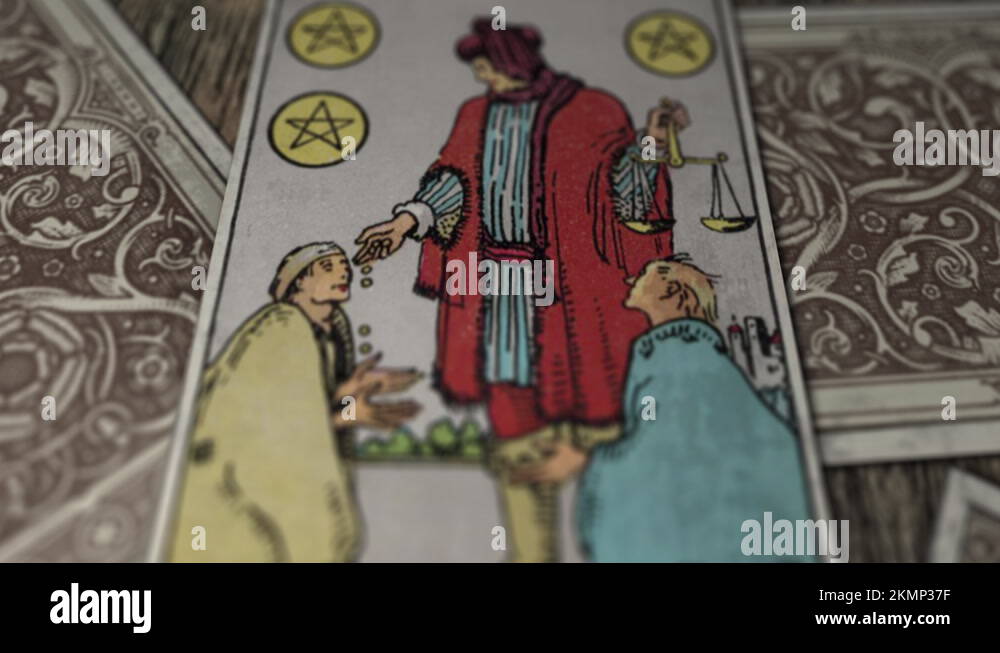
The Six of Coins is a tarot card that embodies the delicate balance between giving and receiving. Often depicted as a wealthy figure distributing coins to the less fortunate, this card symbolizes charity, fairness, and the cyclical nature of wealth. Unlike mere philanthropy, the Six of Coins suggests a transactional harmony—where generosity is not one-sided but part of a larger social contract. The imagery typically shows a merchant or noble handing out coins to two beggars, with a scale or balance in the background, reinforcing the idea of equilibrium.
At its core, the Six of Coins challenges the notion of wealth as a static possession. Instead, it frames prosperity as a dynamic force that must flow to sustain harmony. The card’s message is clear: true wealth is not hoarded but shared, and the act of giving is as enriching as receiving. This metaphor extends beyond material wealth, touching on emotional and spiritual generosity. In relationships, it encourages mutual support; in society, it advocates for systems that redistribute resources equitably. The Six of Coins thus becomes a blueprint for sustainable coexistence, where no one is left in want, and everyone contributes to the collective well-being.
The Tax Collector: A Symbol of Authority and Moral Ambiguity
The Tax Collector, as an archetype, is far more complex than a mere bureaucrat enforcing financial decrees. Historically, tax collectors have been both revered and reviled—seen as necessary enforcers of civic order or as oppressive figures exploiting the vulnerable. In art and literature, they often embody the tension between individual freedom and collective responsibility. The image of a tax collector, with ledgers in hand and a stern demeanor, evokes themes of judgment, accountability, and the often-painful redistribution of wealth.
One of the most intriguing aspects of the Tax Collector is their dual role as both a facilitator and a disruptor. They are the gatekeepers of societal resources, ensuring that funds flow into public coffers for infrastructure, education, and defense. Yet, their methods can feel invasive, stripping individuals of their hard-earned money under the guise of “the greater good.” This duality makes the Tax Collector a compelling metaphor for the moral dilemmas inherent in governance. Are they villains, or are they the unsung heroes who keep the wheels of civilization turning? The answer often lies in perspective—what one sees as oppression, another may view as justice.

The Intriguing Connection: Wealth, Power, and the Social Fabric
When the Six of Coins and the Tax Collector are viewed together, a fascinating dialogue emerges between generosity and coercion. Both concepts revolve around the movement of wealth, but they do so through vastly different mechanisms. The Six of Coins represents voluntary exchange—a choice to give, driven by empathy or social duty. The Tax Collector, on the other hand, embodies involuntary redistribution, where compliance is enforced by law or threat of punishment. Yet, both serve the same ultimate purpose: maintaining the stability and functionality of society.
This juxtaposition highlights a fundamental truth about human civilization: the flow of resources is not just an economic issue but a moral and psychological one. The Six of Coins reminds us that generosity fosters goodwill and strengthens communities, while the Tax Collector underscores the necessity of systems that prevent exploitation and ensure fairness. Together, they paint a picture of a society in constant negotiation—balancing individual freedom with collective needs. The Tax Collector’s ledger, much like the Six of Coins’ scale, becomes a symbol of this delicate equilibrium.
Art and storytelling often explore this tension. For instance, in historical dramas, tax collectors are frequently portrayed as antagonists, embodying the harshness of unchecked authority. Conversely, in stories of redemption, they might evolve into figures who recognize the humanity behind the numbers, much like the Six of Coins’ merchant who sees the faces of those in need. This duality invites reflection on our own roles in the systems we participate in—are we the givers, the receivers, or the enforcers?
Cultural and Historical Perspectives: From Ancient Times to Modern Tarot
The themes of the Six of Coins and the Tax Collector have roots that stretch back millennia. In ancient societies, the concept of tithing or almsgiving was not just a religious obligation but a social contract. The biblical tithe, for example, was a form of taxation that supported the temple and the poor, blending generosity with duty. Similarly, in medieval Europe, the church acted as both a spiritual guide and a financial institution, redistributing wealth through charity and taxation. These historical practices laid the groundwork for modern concepts of welfare and public finance.
In tarot, the Six of Coins evolved from earlier decks that depicted similar themes of charity and balance. The Rider-Waite-Smith deck, for instance, popularized the image of the merchant and the beggars, cementing the card’s association with generosity and reciprocity. Meanwhile, the Tax Collector archetype has been immortalized in literature and art, from the tax farmers of ancient Rome to the IRS agents of modern times. Each era reinterprets these roles, reflecting contemporary attitudes toward power, wealth, and justice.
Today, the Six of Coins and the Tax Collector remain relevant as metaphors for contemporary issues. The Six of Coins speaks to modern movements around universal basic income, community support, and ethical consumerism. The Tax Collector, meanwhile, resonates with debates about progressive taxation, corporate accountability, and the ethics of wealth redistribution. Both concepts challenge us to consider not just how wealth moves through society, but why it moves—and at what cost.
Practical Applications: How These Metaphors Shape Our World
The metaphors of the Six of Coins and the Tax Collector are not confined to tarot or art; they permeate everyday life. In personal relationships, the Six of Coins encourages us to give without expectation, fostering trust and mutual growth. In professional settings, it can inspire mentorship and fair compensation, ensuring that contributions are recognized and rewarded. Conversely, the Tax Collector metaphor reminds us of the importance of rules and structures—whether in a family budget, a corporate policy, or a government’s tax code. Without these frameworks, chaos can ensue, and resources can become concentrated in the hands of the few.
On a societal level, these metaphors offer a lens through which to evaluate policies and social norms. A society that embraces the spirit of the Six of Coins might prioritize social safety nets, education, and healthcare as collective investments rather than individual burdens. Meanwhile, a society that leans too heavily on the Tax Collector’s authority might find itself mired in resentment and resistance, where compliance is driven by fear rather than shared purpose. The challenge, then, is to strike a balance—one where generosity and enforcement coexist, creating a system that is both just and sustainable.

Conclusion
The Six of Coins and the Tax Collector are more than just symbols—they are mirrors reflecting humanity’s eternal struggle to balance self-interest with collective good. The Six of Coins teaches us that wealth, in all its forms, is most meaningful when shared, fostering connections and strengthening communities. The Tax Collector, with all its moral complexity, reminds us that order and justice often require compromise, sacrifice, and the acknowledgment that no system is perfect.
Together, these concepts invite us to reflect on our own roles in the grand exchange of life. Are we the ones reaching out with open hands, or the ones keeping the ledgers? Perhaps the most profound lesson is that these roles are not fixed—we are all, at different times, both the giver and the receiver, the enforcer and the recipient of grace. By embracing this duality, we can cultivate a world where wealth flows not as a burden, but as a bridge—connecting us in our shared humanity.
FAQ
What is the meaning of the Six of Coins tarot card?
It represents balance in giving and receiving, emphasizing generosity, fairness, and the cyclical nature of wealth.
How is the Tax Collector viewed symbolically?
As a figure of authority and moral ambiguity, symbolizing both societal order and potential exploitation.
Why are the Six of Coins and Tax Collector linked?
They both deal with the flow of wealth—one voluntary, the other enforced—highlighting societal balance.
What historical practices relate to these symbols?
Ancient tithing and medieval church taxation influenced the symbolism of giving and redistribution.
How can these symbols be applied in daily life?
They encourage mutual support, fair compensation, and understanding of societal tax systems.


Leave a Reply