Short Answer
Welcome to your comprehensive guide to the 78 Tarot Card Set Energy. Whether you’re a seasoned reader or just beginning your journey into the mystical world of tarot, this guide will help you understand the complete energy of a 78-card deck. You’ll learn about the structure, symbolism, and potential challenges each card presents, as well as how to pose playful yet insightful questions to deepen your readings. By the end, you’ll feel empowered to explore the full spectrum of tarot’s wisdom.
The Structure of a 78-Card Tarot Deck
A standard tarot deck consists of 78 cards divided into two main groups: the Major Arcana and the Minor Arcana. The Major Arcana contains 22 cards, each representing significant life events, spiritual lessons, or archetypal energies. These cards, such as The Fool, The Lovers, and Death, often signify transformative moments or deep introspection. The Minor Arcana, on the other hand, includes 56 cards divided into four suits—Cups, Pentacles, Swords, and Wands—each reflecting everyday experiences, challenges, and opportunities. Together, these cards create a dynamic interplay of energy that can illuminate your path.
Imagine the Major Arcana as the “big picture” of your life’s journey, while the Minor Arcana zooms in on the daily details. For example, pulling The Tower (Major Arcana) alongside the Three of Swords (Minor Arcana) might suggest a sudden upheaval followed by emotional heartache. Understanding this structure allows you to weave a richer narrative in your readings.
Exploring the Major Arcana: Archetypal Energies
The Major Arcana cards are the heart of tarot’s storytelling power. Each card carries a unique vibration that resonates with universal human experiences. For instance, The Magician embodies manifestation and resourcefulness, while The High Priestess represents intuition and hidden knowledge. These cards often appear in readings to highlight pivotal moments or spiritual awakenings.
To engage with these energies, try posing a playful question like, “Which Major Arcana card is currently guiding my spiritual growth?” This invites a deeper connection to the card’s message. However, be mindful of challenges such as over-reliance on the Major Arcana for everyday issues—it’s essential to balance their grand themes with the practical insights of the Minor Arcana.
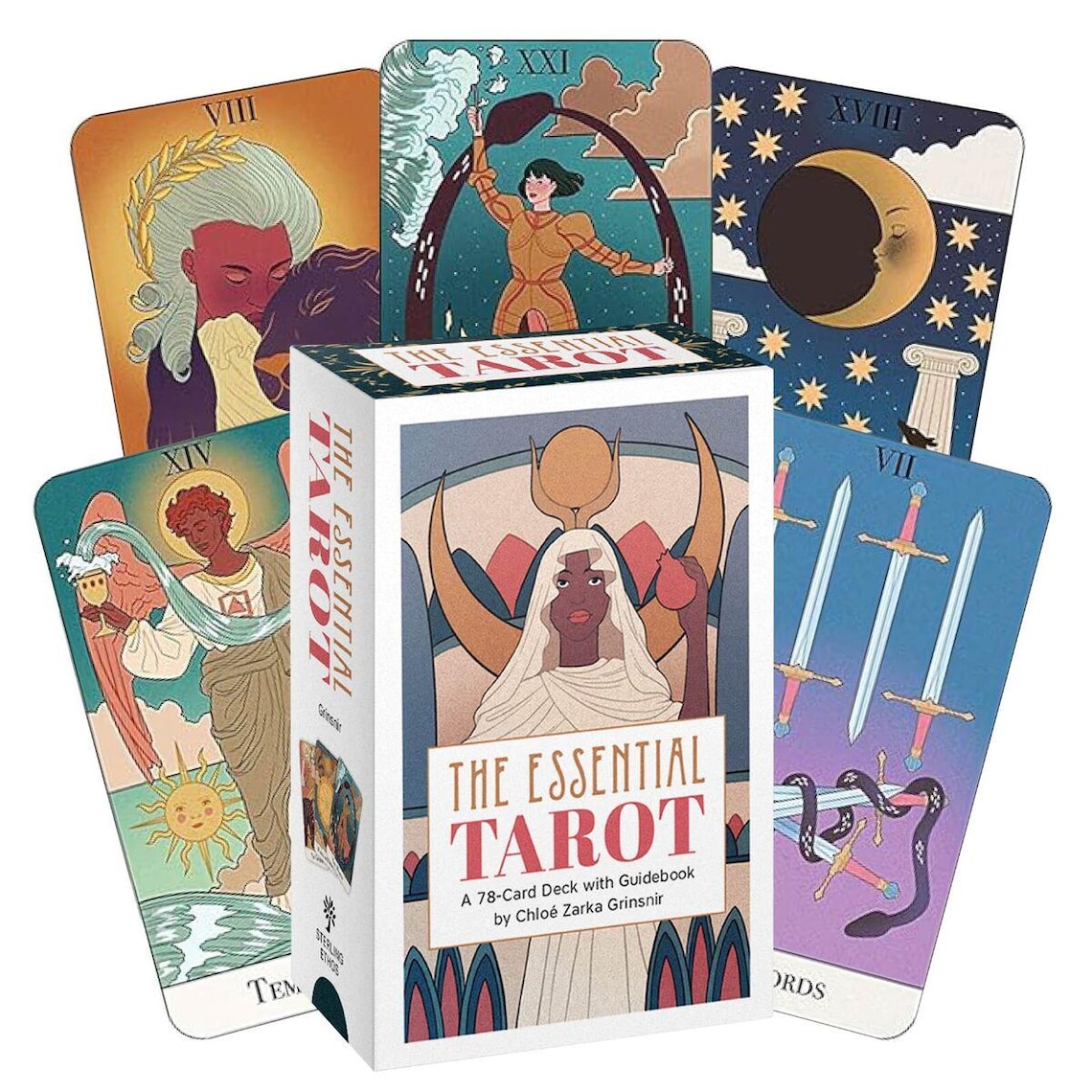
Diving into the Minor Arcana: Everyday Energies
The Minor Arcana brings tarot into the realm of daily life, offering nuanced insights into relationships, career, and personal growth. Each suit corresponds to an element: Cups (water) for emotions, Pentacles (earth) for material matters, Swords (air) for intellect, and Wands (fire) for creativity. For example, the Ace of Cups might signal a new emotional beginning, while the Five of Pentacles could indicate financial struggle.
A playful question to explore these energies could be, “Which Minor Arcana card reflects my current creative energy?” This encourages you to look beyond the surface and consider how the cards mirror your daily experiences. However, a potential challenge lies in misinterpreting the cards’ subtleties—such as confusing the Knight of Swords’ impulsive energy with the Queen of Swords’ discerning wisdom.

The Court Cards: Personalities and Roles
The Court Cards—Page, Knight, Queen, and King—add another layer of depth to tarot readings. These cards often represent people in your life or aspects of your own personality. For instance, the Queen of Wands might embody confidence and charisma, while the Knight of Cups could reflect a romantic or idealistic influence. Their energy is dynamic, shifting based on the context of the reading.
To engage with these cards, ask, “Which Court Card is currently influencing my decisions?” This can reveal hidden motivations or external influences. However, a challenge arises when over-identifying with a Court Card, such as assuming the King of Pentacles always represents wealth without considering other interpretations like stability or leadership.
Posing Playful Questions for Deeper Insights
Tarot thrives on curiosity, so don’t hesitate to ask lighthearted yet meaningful questions. Instead of a generic “What should I do?” try, “Which card represents the energy I need to embrace this week?” This approach keeps your practice fresh and engaging. However, be cautious of questions that limit the cards’ potential, such as overly specific queries that restrict the deck’s intuitive wisdom.
The Challenge of Over-Reliance on Reversed Cards
Reversed cards can add complexity to a reading, suggesting blocked energy or internal resistance. For example, The Chariot reversed might indicate a lack of direction. However, overusing reversals can lead to confusion or unnecessary negativity. Balance is key—consider whether a reversed card truly adds value or if the upright interpretation suffices.
Conclusion
The 78-card tarot deck is a vast and vibrant tool for self-discovery and guidance. By understanding the Major and Minor Arcana, exploring the Court Cards, and posing thoughtful questions, you unlock the full potential of tarot’s energy. Embrace the playful curiosity of your readings while remaining mindful of the challenges that arise. With practice, the 78 cards will become a trusted companion on your journey, offering clarity, wisdom, and a touch of magic.
FAQ
What is the difference between Major and Minor Arcana?
Major Arcana cards represent significant life events and spiritual lessons, while Minor Arcana cards reflect daily experiences and challenges.
How do the four suits of the Minor Arcana correspond to elements?
Cups correspond to water (emotions), Pentacles to earth (material matters), Swords to air (intellect), and Wands to fire (creativity).
What role do Court Cards play in readings?
Court Cards often symbolize people, personality traits, or roles that influence the querent or situation.
How can I avoid misinterpreting reversed cards?
Use reversed cards sparingly and consider whether the reversed meaning adds clarity or if the upright meaning suffices.
Why ask playful questions in tarot readings?
Playful questions foster curiosity and help uncover deeper insights by encouraging fresh perspectives on the cards.
Leave a Reply