Short Answer
Embarking on a journey with tarot cards is like unlocking a door to a world of symbolism, intuition, and self-discovery. Whether you’re a seasoned reader or a curious beginner, understanding the meanings behind your specific tarot deck can transform your readings from vague guesses into profound insights. This guide will walk you through the essential aspects of tarot card meanings, helping you decipher the hidden messages within your deck. From the structure of the cards to the nuances of each suit, you’ll gain the tools to interpret spreads with confidence and clarity.
Understanding the Structure of a Tarot Deck
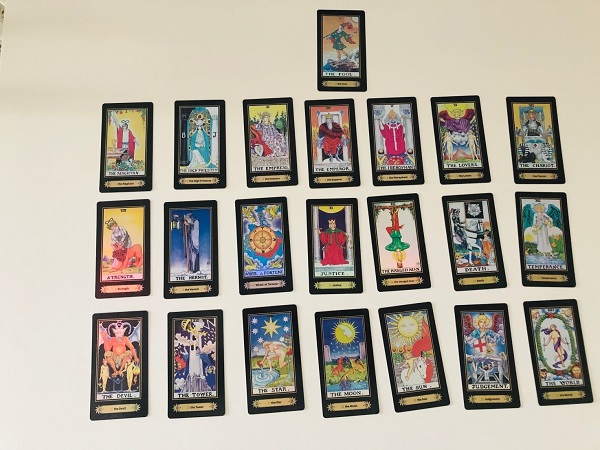
A standard tarot deck consists of 78 cards, divided into two main groups: the Major Arcana and the Minor Arcana. The Major Arcana comprises 22 cards, each representing significant life events, spiritual lessons, or archetypal energies. These cards, such as The Fool, The Lovers, and Death, often carry deep symbolic weight and can indicate major turning points in a reading. The Minor Arcana, on the other hand, contains 56 cards divided into four suits—Cups, Pentacles, Swords, and Wands—each reflecting everyday experiences, challenges, and emotions. Recognizing the distinction between these groups is crucial, as Major Arcana cards often highlight overarching themes, while Minor Arcana cards provide context and detail.

Decoding the Major Arcana: Archetypes and Life Lessons
The Major Arcana cards are the heart of tarot, each embodying a universal human experience. For example, The Magician represents manifestation and resourcefulness, while The High Priestess symbolizes intuition and hidden knowledge. These cards often appear in readings to signify pivotal moments or spiritual awakenings. To master their meanings, study their imagery and traditional interpretations, but also trust your intuition—your personal connection to the cards can reveal layers of meaning unique to your journey. Keep a journal of your interpretations to track patterns and deepen your understanding over time.
Exploring the Minor Arcana: Everyday Energies and Challenges
The Minor Arcana cards bring the tarot into the realm of daily life, offering insights into relationships, career, finances, and personal growth. Each suit corresponds to an element and a set of themes: Cups (water) relate to emotions and relationships, Pentacles (earth) to material wealth and practicality, Swords (air) to intellect and conflict, and Wands (fire) to creativity and passion. For instance, the Three of Cups celebrates joy and friendship, while the Five of Pentacles may indicate financial struggle. Pay attention to the suit’s element and the card’s number to uncover its deeper message. Reversals (cards drawn upside down) can also add nuance, suggesting blocked energy or internal resistance.
Interpreting Court Cards: Personalities and Influences
Court cards—Page, Knight, Queen, and King—represent people, energies, or aspects of yourself. They can be tricky to interpret, as their meaning shifts based on the question and surrounding cards. For example, the Queen of Swords might symbolize a sharp-witted woman in your life or your own analytical side. To avoid confusion, consider the card’s suit and rank: Pages often indicate messages or new beginnings, Knights suggest action or movement, Queens embody nurturing or receptive energy, and Kings represent authority or mastery. When a court card appears in a reading, ask yourself: Is this describing a person, a trait, or an energy I need to embody?
Personalizing Your Tarot Deck: Connecting with Your Cards
Every tarot deck has its own visual language and energy, shaped by its artist and creator. To build a meaningful relationship with your deck, spend time shuffling the cards, meditating on their imagery, and noting which cards resonate with you. Some decks, like the Rider-Waite-Smith, follow traditional symbolism, while others, like the Wild Unknown, offer abstract or nature-based interpretations. Experiment with different decks to find one that speaks to your intuition. You can also customize your readings by incorporating elements that reflect your personal journey, such as crystals, candles, or specific spreads tailored to your questions.
Practical Tips for Memorizing and Applying Tarot Meanings
Memorizing tarot card meanings can feel overwhelming, but breaking the process into manageable steps makes it easier. Start by focusing on one suit or group of cards at a time, using mnemonic devices or associations to reinforce your memory. For example, link the Suit of Wands to fire and creativity by imagining a wand as a spark. Practice daily by pulling a single card and journaling about its potential meanings in different contexts. Over time, your familiarity with the deck will grow, and your interpretations will become more fluid. Don’t be afraid to revisit the basics—tarot is a lifelong study, and even experienced readers refresh their knowledge regularly.
Common Pitfalls and How to Avoid Them
One of the biggest challenges in tarot is relying too heavily on guidebooks or memorized meanings without trusting your intuition. While traditional interpretations provide a foundation, your personal connection to the cards is equally important. Another pitfall is overcomplicating readings by fixating on reversals or obscure symbols. Keep your approach balanced: use guidebooks as a reference, but let your gut guide the final interpretation. Additionally, avoid reading for others without their consent or ethical considerations—tarot should empower, not manipulate. Always approach readings with an open mind and a clear intention to provide insight, not predictions.
Conclusion
Tarot cards are more than just a tool for divination—they are a mirror to the soul, offering guidance, reflection, and a deeper understanding of life’s complexities. By familiarizing yourself with the structure of your deck, studying the meanings of each card, and cultivating a personal connection to the imagery, you’ll unlock the hidden wisdom within your readings. Remember, tarot is a practice, not a perfect science; the more you engage with your deck, the more intuitive and insightful your interpretations will become. Whether you’re seeking answers about love, career, or personal growth, your tarot deck holds the keys to unlocking the messages you need to hear. Embrace the journey, trust your intuition, and let the cards guide you toward clarity and self-discovery.
FAQ
What is the difference between Major and Minor Arcana cards?
Major Arcana cards represent significant life events and spiritual lessons, while Minor Arcana cards reflect everyday experiences and challenges.
How do court cards differ from other tarot cards?
Court cards represent people, personalities, or energies and their meanings vary depending on the context and surrounding cards.
How can I personalize my tarot deck?
Personalize your tarot deck by spending time with the cards, meditating on their imagery, journaling your interpretations, and incorporating elements like crystals or candles in your readings.
Why is intuition important in tarot readings?
Intuition allows you to connect personally with the cards and uncover unique meanings beyond traditional interpretations.
Leave a Reply