Short Answer
Welcome to a deep exploration of one of history’s most enigmatic and compelling figures: The Devil as a Person – The Manipulator. In this guide, you’ll uncover the layers of symbolism, psychological intrigue, and cultural significance that surround the Devil as a master manipulator. From ancient myths to modern interpretations, we’ll dissect how this archetype has been portrayed as a cunning strategist who thrives in shadows, bending reality to his will. By the end, you’ll see how this figure transcends mere villainy to become a mirror reflecting humanity’s deepest fears, desires, and moral dilemmas.
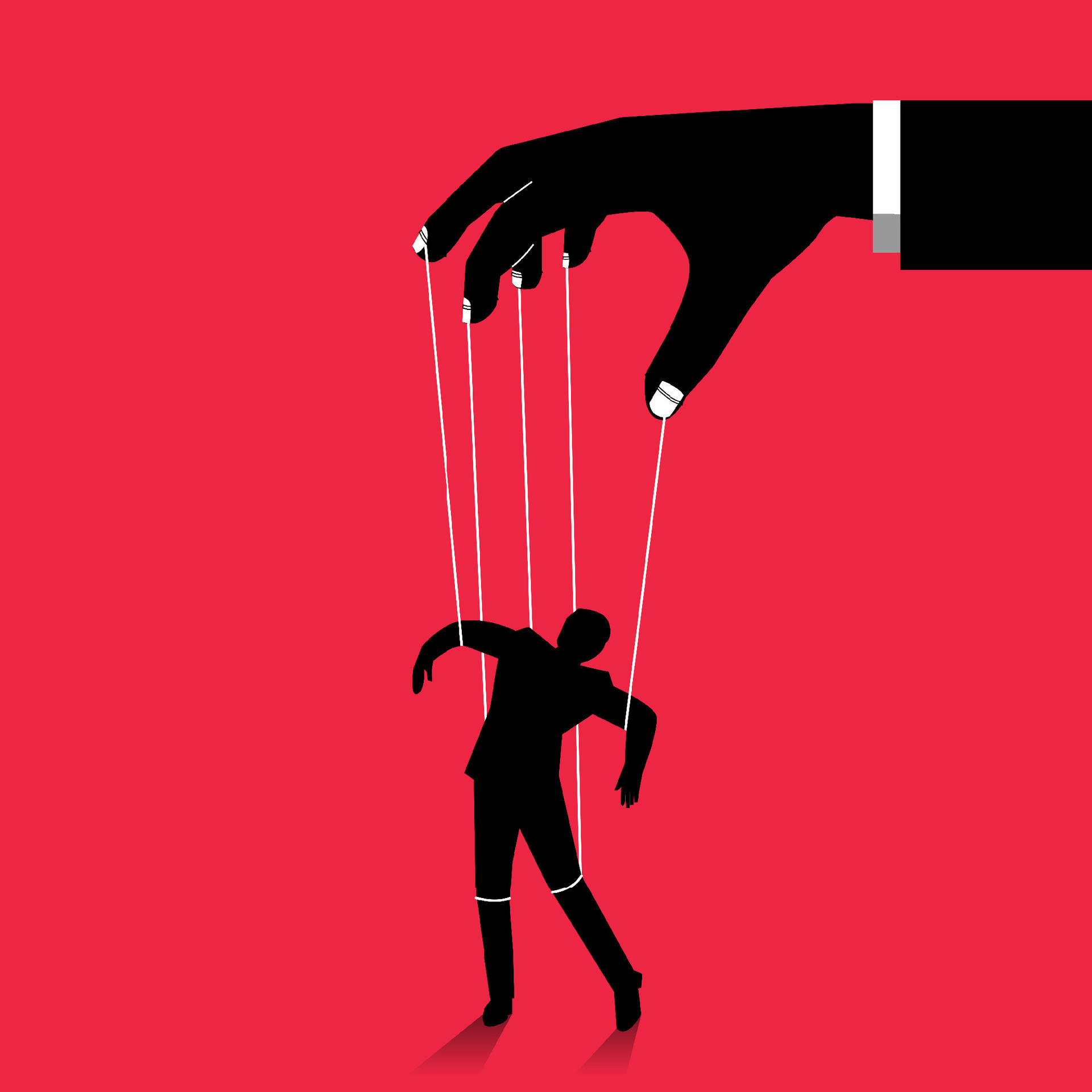
The Devil as the Ultimate Puppeteer: A Metaphor for Control
The Devil’s most haunting role is that of the puppeteer—a being who pulls the strings of human fate with calculated precision. Unlike overt tyrants who rule through brute force, the Devil operates through subtlety, exploiting vulnerabilities, and exploiting the gaps in human judgment. This metaphor isn’t just a religious trope; it’s a psychological reality. Studies in behavioral science suggest that manipulation thrives in environments where trust is exploited, and the Devil embodies this principle. He doesn’t just tempt; he engineers scenarios where his victims believe they’re making their own choices, when in reality, they’re dancing to his tune.
Consider the biblical tale of Adam and Eve. The Devil doesn’t force them to eat the forbidden fruit; he plants a seed of doubt, frames the command as restrictive, and waits for their free will to do the rest. This narrative illustrates a timeless truth: the most effective manipulation isn’t about domination—it’s about making others believe they’re in control when they’re not. In literature and folklore, this trope recurs. Think of Mephistopheles in Faust, who offers knowledge and power but always at a cost, or the serpent in Eden, whose whispers are as seductive as they are destructive.
The Language of Deception: How the Devil Speaks to Us
One of the Devil’s most insidious tools is language. His words are never direct; they’re laced with ambiguity, half-truths, and emotional triggers. This linguistic manipulation isn’t just a literary device—it’s a reflection of how power operates in the real world. Advertisers, politicians, and con artists all employ similar tactics: they frame desires as needs, fears as threats, and choices as inevitabilities. The Devil’s language is the blueprint for these strategies.
Take the phrase “You will be like God” from the Eden story. It’s not a command; it’s a suggestion wrapped in flattery. The Devil doesn’t say, “Disobey me.” Instead, he plants an idea so appealing that the listener feels compelled to act. This mirrors modern manipulation techniques, such as gaslighting, where the abuser makes the victim question their own reality. The Devil’s dialogue is a masterclass in psychological warfare, where the goal isn’t to overpower but to seduce the mind into compliance.
In art and media, this is often visualized through imagery of whispers, shadows, or split images—visual metaphors for the duality of his words. The Devil’s language doesn’t just deceive; it reshapes perception, turning lies into truths and victims into accomplices in their own downfall.
The Devil’s Playground: Where Manipulation Thrives
Manipulation doesn’t flourish in a vacuum; it thrives in environments of uncertainty, desire, and moral ambiguity. The Devil’s playground is wherever these conditions exist—be it the court of a king, the boardroom of a corporation, or the quiet corners of a person’s mind. Historically, tyrants and demagogues have been compared to the Devil because they exploit the same weaknesses: the human need for validation, the fear of the unknown, and the allure of power.
Consider the concept of “divide and conquer,” a strategy often attributed to the Devil in theological texts. By sowing discord among allies, he weakens resistance before it even forms. This tactic is visible in modern conflicts, where misinformation and propaganda fragment societies, making collective action nearly impossible. The Devil’s playground isn’t just a physical space; it’s a psychological one, where trust erodes, and paranoia takes root.
Artistic representations often depict this playground as a labyrinth or a hall of mirrors, where every path leads back to the same trap. The imagery underscores a critical point: the Devil doesn’t need to be present to manipulate. His influence lingers in the structures we build, the systems we uphold, and the habits we normalize.
The Allure of the Manipulator: Why We’re Drawn to the Devil’s Game
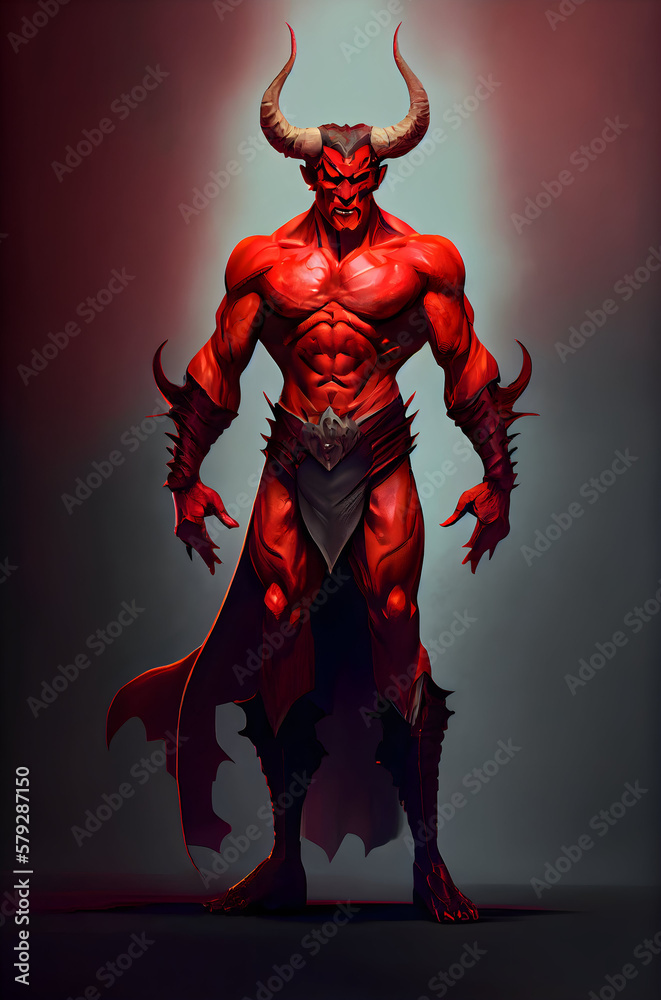
There’s a paradoxical fascination with the Devil as a manipulator. We recoil at his actions but can’t help but be intrigued by his methods. This allure stems from a few key factors. First, the Devil represents the forbidden—the thrill of breaking rules without immediate consequences. Second, he embodies the idea that intelligence and cunning can outmaneuver fate. And third, he’s a scapegoat for our own moral failings, allowing us to project our darkest impulses onto an external figure.
This fascination is evident in pop culture, where antiheroes like Loki from Norse mythology or the Joker from Batman are often more compelling than their heroic counterparts. Audiences cheer for these characters not because they’re good, but because they’re clever. The Devil’s manipulative prowess makes him a compelling protagonist in stories where the line between right and wrong is blurred. He’s the ultimate trickster, a figure who exposes the hypocrisy of those in power by playing their own games better than they do.
Psychologically, this allure taps into the human desire for agency. In a world where we often feel powerless, the Devil offers a twisted sense of control. His manipulations are a dark reflection of our own strategies—negotiation, persuasion, and even deception—to get what we want. The difference, of course, is that his ends are destructive, while ours are (hopefully) more benign. Yet the method remains the same, which is why the Devil’s archetype resonates so deeply.
The Devil in Modern Times: Manipulation in the Digital Age
The digital revolution has amplified the Devil’s methods, creating new playgrounds for manipulation. Social media algorithms, deepfake technology, and viral misinformation are all tools that echo the Devil’s playbook. They exploit psychological triggers—fear, outrage, curiosity—to keep users engaged, often at the expense of their well-being. The Devil’s role as a puppeteer has never been more relevant.
Consider the phenomenon of “doomscrolling,” where individuals compulsively consume negative news, often driven by algorithms designed to maximize engagement. This isn’t just a habit; it’s a form of self-manipulation, where the mind is tricked into believing that constant exposure to negativity is necessary for survival. The Devil doesn’t need to whisper in your ear when your phone does it for him. Similarly, deepfake videos and AI-generated content blur the line between truth and fiction, making it harder to discern reality—a modern twist on the Devil’s age-old trick of planting doubt.
In this context, the Devil’s metaphor extends beyond theology into the realm of ethics and technology. He’s no longer just a figure in religious texts; he’s a symbol of the unintended consequences of innovation, the dark side of human ingenuity. The challenge for modern society is to recognize these manipulations and resist their pull, much like the heroes in ancient myths who outwit the Devil through wisdom and perseverance.
Conclusion: The Devil as a Mirror to Human Nature
The Devil as a manipulator is more than a villainous archetype; he’s a mirror reflecting the complexities of human nature. His methods—subtlety, psychological warfare, and exploitation of desire—are not confined to myth. They’re woven into the fabric of our daily lives, from the advertisements that persuade us to buy things we don’t need to the political rhetoric that divides us. Understanding the Devil’s role as a manipulator isn’t about fearing an external force; it’s about recognizing the manipulative tendencies within ourselves and in the systems we’ve created.
By studying the Devil’s tactics, we gain tools to resist manipulation in all its forms. We learn to question the narratives presented to us, to seek truth beyond the surface, and to recognize when we’re being played. The Devil’s greatest trick isn’t making us believe in his existence; it’s making us forget that we, too, can be manipulators—or victims of manipulation. The key to breaking free lies in awareness, critical thinking, and the courage to confront the shadows, both within and without.
In the end, the Devil’s story is our story—a cautionary tale about the power of words, the fragility of trust, and the eternal dance between light and shadow. Whether you see him as a literal entity or a metaphor for the darker aspects of human nature, his role as the ultimate manipulator offers a timeless lesson: in a world full of puppeteers, the only way to reclaim your strings is to see them clearly.
FAQ
What does the Devil card represent in tarot?
The Devil card in tarot symbolizes temptation, manipulation, control, and the shadow self. It often represents situations where individuals feel trapped or influenced by unhealthy attachments or behaviors.
How is the Devil portrayed as a manipulator?
The Devil is depicted as a subtle puppeteer who uses psychological tactics such as deception, emotional manipulation, and planting seeds of doubt to control others without overt force.
What modern examples reflect the Devil's archetype of manipulation?
Modern examples include social media algorithms, misinformation campaigns, and psychological tactics like gaslighting, which exploit human vulnerabilities to influence perception and behavior.
Why is the Devil figure compelling in stories and culture?
The Devil's allure comes from representing forbidden knowledge, cunning intelligence, and moral ambiguity, making this archetype a fascinating antihero who challenges conventional notions of good and evil.
Leave a Reply