Short Answer
In this guide, you’ll explore the dual nature of “The Empress” archetype—whether she embodies the nurturing creator or the overbearing mother. You’ll uncover the symbolic meanings behind her poses, the cultural and psychological interpretations of her role, and how these perspectives challenge traditional views of femininity and power. By the end, you’ll have a deeper understanding of how this figure can be both a source of inspiration and a cautionary tale, depending on the context in which she is portrayed.
The Empress as the Creator: Nurturing Life and Abundance
The Empress is often celebrated as a symbol of creation, fertility, and the life-giving forces of nature. In many mythologies and spiritual traditions, she represents the divine feminine energy that fosters growth, abundance, and harmony. Her poses frequently reflect this nurturing aspect—whether she is depicted cradling a child, surrounded by lush greenery, or holding symbols of harvest and prosperity. These images evoke a sense of warmth and security, emphasizing her role as a protector and provider.
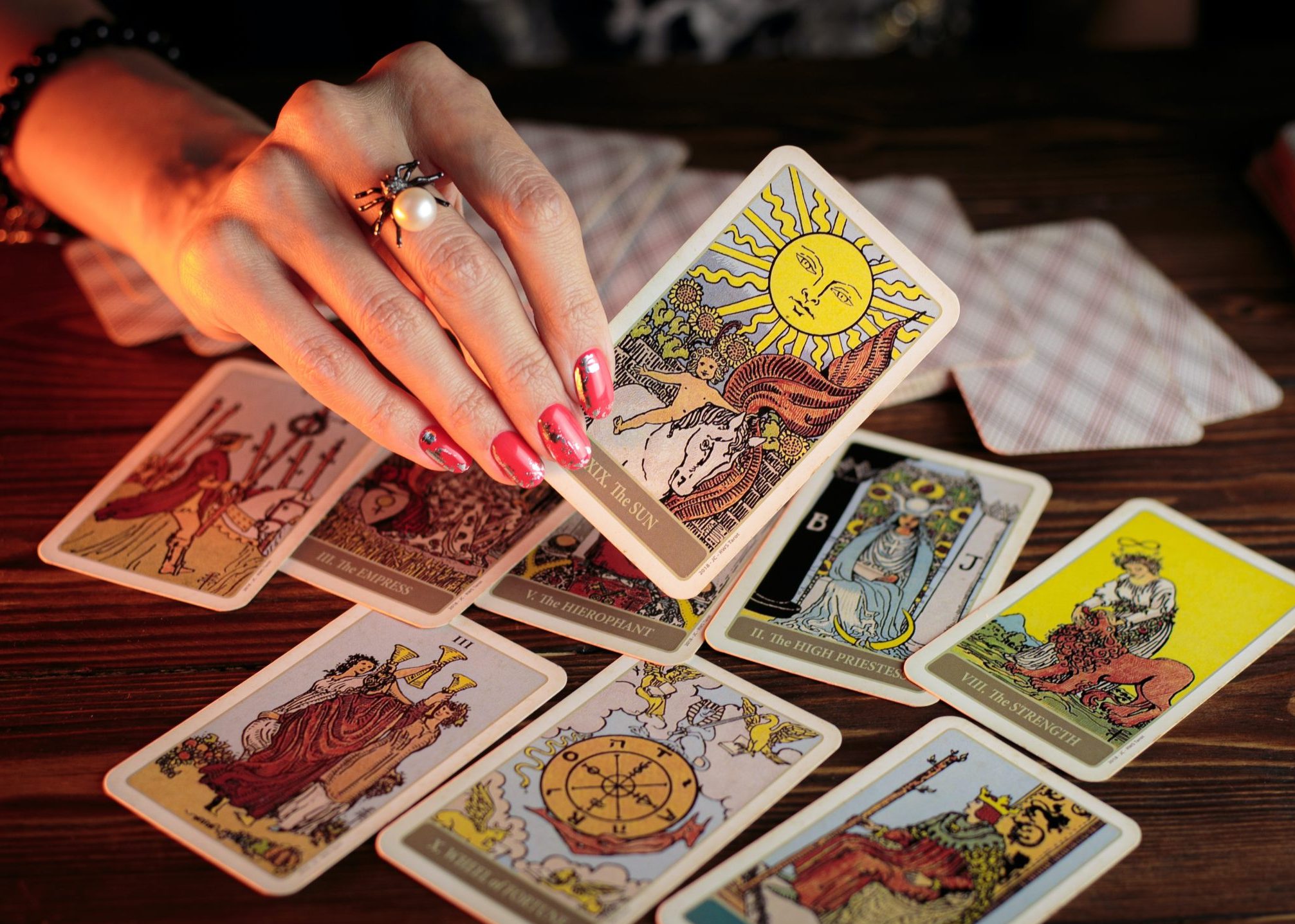
In tarot, for example, The Empress card is associated with motherhood, sensuality, and the earth’s bounty. Her imagery often includes wheat, flowers, and other symbols of fertility, reinforcing her connection to the natural world. Artists and storytellers have long used her figure to explore themes of creativity and renewal, portraying her as a muse who inspires artists, writers, and innovators. However, this nurturing role can also become a double-edged sword, as it sometimes blurs the line between care and control.

The Empress as the Overbearing Mother: The Shadow Side of Nurturing
While The Empress is often idealized as a loving and supportive figure, her role can also take on a more oppressive tone. The “overbearing mother” archetype emerges when her nurturing instincts become suffocating or manipulative. In this light, she may be seen as someone who stifles independence, enforces rigid expectations, or uses guilt to control those around her. This interpretation challenges the romanticized view of motherhood and forces us to confront the complexities of caregiving.
In literature and psychology, the overbearing mother is a recurring theme that highlights the darker aspects of unconditional love. She may be portrayed as someone who demands perfection, resents her children’s growth, or uses emotional blackmail to maintain dominance. This version of The Empress is not a gentle guide but a force that can hinder personal development. The challenge lies in recognizing when nurturing crosses the line into control, and how to navigate relationships with such figures without losing one’s autonomy.

The Pose as a Language: Decoding The Empress’s Intentions
The way The Empress is posed in art and media can reveal a great deal about her intended role—whether as a creator or an overbearing figure. A gentle, open posture with outstretched arms suggests warmth and invitation, reinforcing her role as a life-giver. Conversely, a rigid stance with crossed arms or a stern expression may signal authority and control, hinting at the darker side of her nature. These visual cues serve as a language that communicates her intentions to the viewer, inviting interpretation and reflection.
For example, in the image by DessertHistorian on DeviantArt, The Empress and Emperor are depicted in a dynamic pose that suggests a power struggle. The Empress’s assertive stance and the Emperor’s defensive posture create a visual narrative of tension, challenging the viewer to consider the balance of power in their relationship. Such poses can be seen as a playful question: Is The Empress a partner in creation, or does she seek to dominate? The answer may depend on the context and the viewer’s perspective.

The Cultural and Psychological Lens: How Society Shapes The Empress
The interpretation of The Empress archetype is deeply influenced by cultural and psychological frameworks. In Western societies, the nurturing mother is often idealized, while the overbearing mother is stigmatized. However, in other cultures, the mother figure may embody both roles simultaneously, reflecting the complexity of familial relationships. Psychologically, The Empress can be seen through the lens of Jungian archetypes, where she represents the anima—the feminine aspect of the male psyche—or the Great Mother, a universal symbol of nurturing and destruction.
This duality invites a challenge: How do we reconcile the positive and negative aspects of The Empress? Is she a figure to emulate, or a warning against the pitfalls of unchecked nurturing? The answer may lie in recognizing that both roles are inherent to her nature, and the key is balance. By acknowledging the shadow side of The Empress, we can better understand the complexities of motherhood, creativity, and power in our own lives.
Conclusion
The Empress archetype is a multifaceted symbol that invites us to explore the boundaries between creation and control, nurturing and oppression. Whether she is depicted as a loving mother or a domineering figure, her poses and cultural interpretations challenge us to question the roles we assign to femininity and power. By embracing the duality of The Empress, we can gain a deeper appreciation for the complexities of life and the delicate balance between care and autonomy. Ultimately, her story is a reminder that even the most nurturing figures can become overbearing, and that awareness is the first step toward finding harmony.
FAQ
What does The Empress tarot card symbolize?
The Empress card symbolizes fertility, nurturing, creativity, and abundance, reflecting the life-giving and caring aspects of the feminine archetype.
Can The Empress represent negative traits?
Yes, The Empress can represent an overbearing mother figure whose care becomes controlling and suffocating, challenging independence.
How can The Empress's pose affect interpretation?
Her pose, such as open arms or stern expression, conveys warmth or authoritarian control, influencing the reading of her energy.
What psychological frameworks are used to understand The Empress?
Jungian psychology frames her as the anima or Great Mother archetype, embodying both nurturing and destructive feminine aspects.
How do cultural views impact The Empress archetype?
Cultural contexts shape whether The Empress is seen primarily as nurturing or also as a figure with potential for control and dominance.
Leave a Reply