Short Answer
Welcome to this comprehensive guide on The Hierophant Tarot Card, a powerful symbol in the Major Arcana that bridges tradition, spirituality, and personal growth. Whether you’re a seasoned tarot reader or a curious beginner, this guide will explore the card’s meanings, symbolism, and the deeper reasons behind its enduring fascination. By the end, you’ll understand how The Hierophant serves as a guide through life’s moral and spiritual dilemmas, offering wisdom that transcends time.
The Hierophant as a Spiritual Guide
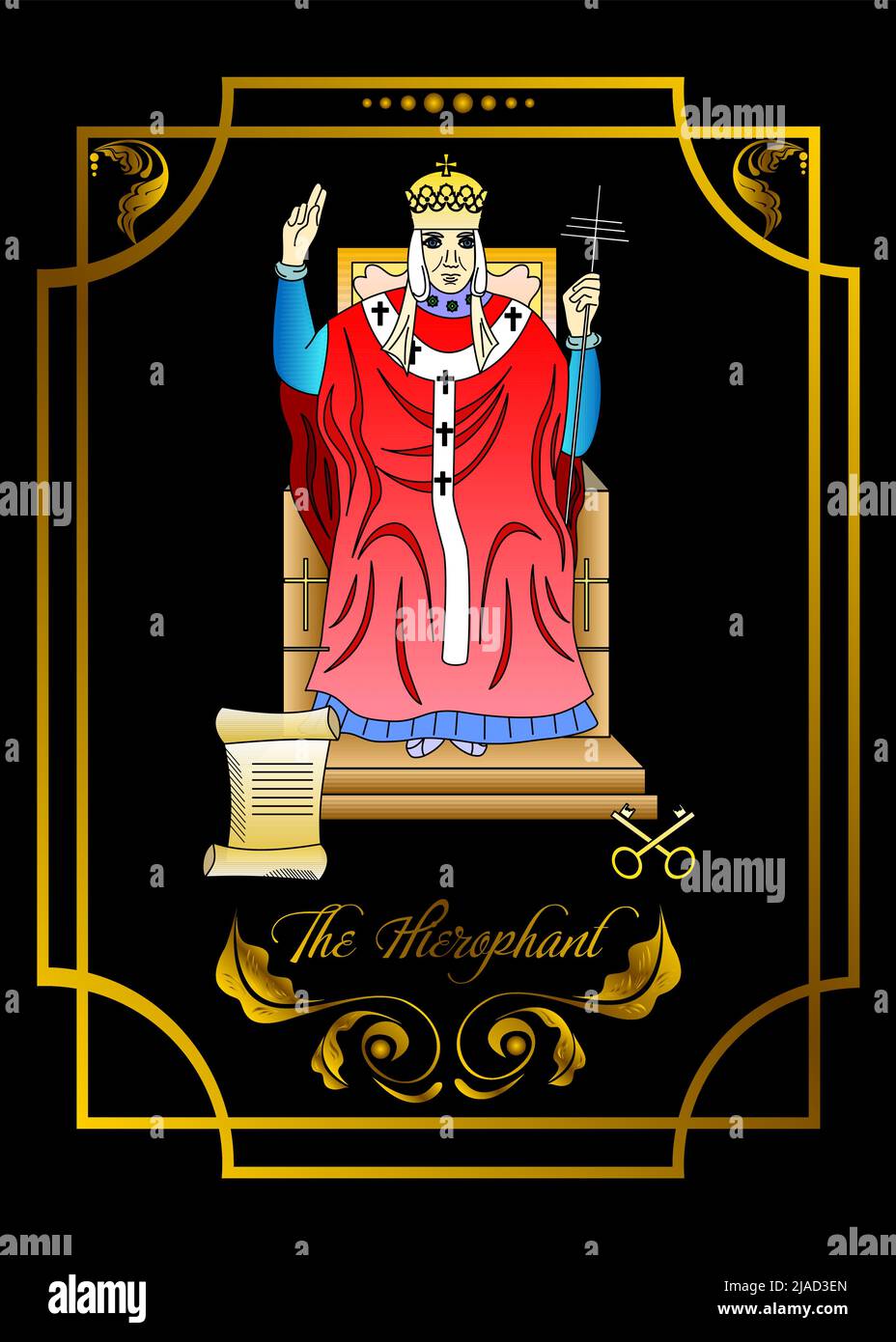
The Hierophant is often depicted as a wise religious figure, seated between two pillars in a temple, blessing or teaching two acolytes. This imagery reflects the card’s role as a bridge between the divine and the earthly, offering guidance rooted in tradition and structured belief systems. Unlike The Magician, who represents personal power and manifestation, The Hierophant emphasizes external wisdom—whether through organized religion, mentorship, or established knowledge.
Many people turn to The Hierophant when seeking answers to life’s big questions: How do I find meaning? Who can I trust for guidance? The card reassures that answers often lie in tradition, whether through spiritual teachings, academic study, or mentorship. It’s a reminder that wisdom is often inherited or learned from those who came before us.
Symbolism and Key Imagery
The Hierophant’s symbolism is rich with meaning, each element offering clues to its deeper message. The two pillars flanking the figure represent duality—light and dark, masculine and feminine, or the known and the unknown. This duality suggests that wisdom comes from balancing opposing forces rather than rejecting one for the other.
The three-tiered crown on The Hierophant’s head symbolizes the three realms of existence: the physical, mental, and spiritual. It also hints at the Holy Trinity in Christian symbolism, reinforcing the card’s connection to structured faith. The crossed keys at his feet represent the unlocking of hidden knowledge, while the triple cross in his hand signifies the union of the divine, the human, and the earthly.
The two acolytes, often depicted as students or seekers, emphasize the card’s role in teaching and learning. Their presence suggests that The Hierophant isn’t just about receiving wisdom but also about passing it down. This dynamic makes the card a powerful symbol for mentorship, education, and the transmission of knowledge across generations.
Upright vs. Reversed Meanings
In a tarot reading, The Hierophant’s position—upright or reversed—can dramatically alter its message. When upright, the card signifies tradition, conformity, and spiritual guidance. It may indicate a time to seek advice from a mentor, follow established rules, or reconnect with your faith. This is a card of stability, where structure and routine provide comfort and clarity.
Reversed, The Hierophant takes on a more rebellious tone. It can signal rigid thinking, dogma, or a rejection of tradition in favor of personal beliefs. This reversal might suggest that you’re questioning authority, breaking free from outdated systems, or exploring spirituality outside conventional paths. It’s a call to trust your intuition over external rules, even if it means going against the grain.
Common Observations and Deeper Reasons for Fascination
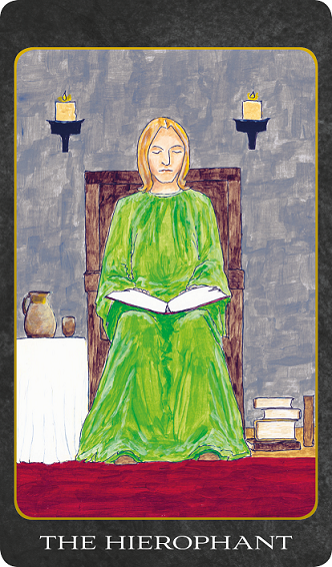
One of the most common observations about The Hierophant is its association with religion and dogma. Many people are drawn to this card because it represents the comfort of tradition in an uncertain world. In times of chaos, The Hierophant offers a sense of order, reminding us that wisdom can be found in the past. However, this fascination also hints at a deeper human need: the search for meaning in a world that often feels fragmented.
Another intriguing aspect is The Hierophant’s role as a mediator between the spiritual and the material. Unlike cards that focus solely on the divine or the earthly, The Hierophant bridges the gap, showing how spirituality can be integrated into daily life. This dual focus explains why the card resonates with those who feel torn between their spiritual beliefs and practical responsibilities.
The Hierophant also sparks fascination because of its dual nature—it can represent both liberation and restriction. On one hand, it encourages conformity to societal or religious norms; on the other, it invites us to question those norms and find our own path. This tension makes the card a powerful tool for introspection, as it forces us to confront our relationship with authority and tradition.
The Hierophant in Love and Relationships
In matters of the heart, The Hierophant often appears when tradition and commitment are at the forefront. It may indicate a long-term relationship, marriage, or a partnership built on shared values and beliefs. The card suggests that love thrives when there’s mutual respect for each other’s beliefs and a willingness to grow together within a structured framework.
However, The Hierophant can also warn against relationships that feel stifling or overly rigid. If the card appears in a reading about a new romance, it might suggest that one or both partners are holding onto outdated expectations or refusing to adapt. The key here is balance—honoring tradition while remaining open to evolution in the relationship.
The Hierophant in Career and Finances
Career-wise, The Hierophant is a card of structure and expertise. It may indicate a job in education, counseling, or any field that involves teaching, mentoring, or preserving tradition. The card suggests that success comes from aligning with established systems, whether through formal education, apprenticeship, or adherence to industry standards.
Financially, The Hierophant advises caution and prudence. It’s a reminder to seek advice from trusted sources, whether a financial advisor, mentor, or religious teachings, before making major decisions. The card warns against impulsive choices and encourages a methodical approach to money management.
Conclusion
The Hierophant Tarot Card is far more than just a symbol of religion or tradition—it’s a multifaceted guide that addresses our deepest questions about meaning, authority, and personal growth. Whether it appears in a reading as a beacon of wisdom or a call to break free from dogma, its message is clear: wisdom is found in both structure and rebellion, in conformity and defiance. By understanding its symbolism and embracing its lessons, you can navigate life’s complexities with greater clarity and confidence.
As you continue your tarot journey, let The Hierophant remind you that the answers you seek may lie not just in the future or within yourself, but in the wisdom of the past. Whether you choose to follow tradition or forge your own path, the card’s presence is a testament to the enduring human quest for truth.
FAQ
What does The Hierophant card represent in tarot readings?
The Hierophant card represents tradition, spiritual guidance, mentorship, and structured belief systems. It encourages learning from established wisdom and following conventional paths, or when reversed, challenges these norms.
How does The Hierophant influence relationships in tarot?
The Hierophant suggests relationships grounded in shared values, commitment, and tradition, often indicating marriage or long-term partnership. It also warns against rigidity or inflexibility within relationships.
What career advice does The Hierophant tarot card offer?
It advises pursuing careers involving education, mentorship, or roles that respect tradition and structure. It highlights the value of following established systems and seeking guidance from experts.
What is the significance of the symbols on The Hierophant card?
Symbols like the two pillars represent duality, the three-tiered crown signifies physical, mental, and spiritual realms, crossed keys denote unlocking knowledge, and acolytes symbolize teaching and passing down wisdom.
Leave a Reply