Short Answer
Welcome to a deep dive into one of the most intriguing and visually striking cards in modern gaming and art: The Serpent and the Dragon – Two Fears, One Card. This guide will explore the duality represented by this card, its thematic significance, and how it challenges players and viewers alike. Whether you’re a collector, a strategist, or simply a fan of compelling imagery, this exploration will reveal why this card stands out as a masterful blend of art and gameplay.
The Concept: Fear as a Duality
At the heart of this card lies a playful yet profound question: Can fear be both a weapon and a weakness? The Serpent and the Dragon symbolize two opposing forces—one coiled in cunning, the other soaring with power. The card’s title, “Two Fears, One Card,” suggests that these two entities, though seemingly at odds, are united under a single concept: fear. This duality isn’t just thematic; it’s a challenge to the player to reconcile two seemingly incompatible forces into a cohesive strategy.
The serpent often represents deception, patience, and calculated risk, while the dragon embodies raw power, dominance, and immediate impact. Together, they create a dynamic tension that mirrors real-world dilemmas—when is it better to strike swiftly, and when is it wiser to wait and observe? This card forces players to confront that very question, making every decision a reflection of their understanding of fear’s dual nature.
Visual Design: A Masterclass in Symbolism
The artwork of The Serpent and the Dragon is a feast for the eyes, rich with symbolism and meticulous detail. The serpent, often depicted in shades of green or gold, slithers through shadows, its eyes gleaming with intelligence. The dragon, on the other hand, is a storm of fire and fury, its scales shimmering with metallic hues. The contrast between the two creatures isn’t just visual—it’s a narrative device that underscores their opposing yet complementary roles.

The background often features a blend of natural and mythical elements—twisting vines, storm clouds, or ancient ruins—further emphasizing the clash between primal instincts and calculated strategy. The use of color is particularly striking: cool greens and blues for the serpent contrast sharply with the warm reds and oranges of the dragon, creating a visual metaphor for the balance between patience and aggression.
Gameplay Mechanics: A Strategic Dilemma
Beyond its aesthetic appeal, The Serpent and the Dragon is a card that introduces a unique strategic challenge. In many games, cards are designed to fulfill specific roles—either offensive, defensive, or supportive. This card, however, defies such categorization. It forces players to ask: Do I embrace the serpent’s patience and wait for the perfect moment to strike, or do I unleash the dragon’s fury and overwhelm my opponent?
Some interpretations of the card allow it to adapt based on the player’s choices. For example, in a trading card game, it might offer a choice between two effects: a low-risk, high-reward option (the serpent’s patience) or a high-risk, high-reward option (the dragon’s fury). This duality makes the card a wildcard in any deck, capable of turning the tide of a game when used wisely.
Another layer of complexity comes from the card’s potential to evolve. In some game mechanics, The Serpent and the Dragon might transform based on the player’s actions or the game’s state. For instance, if the player waits too long to use its power, the serpent might grow stronger, granting additional benefits. Conversely, if the player acts too hastily, the dragon’s rage might escalate, increasing its destructive potential but at a cost. This dynamic makes the card a microcosm of risk management, a skill that transcends the game itself.
Cultural and Mythological Roots
The inspiration behind The Serpent and the Dragon is deeply rooted in global mythology, where serpents and dragons often represent opposing yet interconnected forces. In Western traditions, dragons are symbols of chaos and destruction, while serpents are associated with wisdom and rebirth (as seen in the story of the Garden of Eden). In Eastern lore, dragons are celestial beings of power and good fortune, while serpents (or snakes) can represent both danger and healing.
This card taps into that rich tapestry of symbolism, inviting players to explore the dualities within these myths. Is the serpent a trickster, or is it a guardian? Is the dragon a tyrant, or is it a protector? The card doesn’t provide easy answers, instead encouraging players to draw their own conclusions based on their cultural background and personal beliefs. This layer of interpretation adds depth to the card, making it more than just a game piece—it becomes a conversation starter about the nature of fear, power, and balance.
Deck Building: How to Harness the Power
Incorporating The Serpent and the Dragon into a deck requires careful consideration of its dual nature. Players must decide whether to lean into its adaptability or use it as a focal point around which other cards are built. For example, a deck centered on patience and precision might include cards that benefit from waiting, such as traps or defensive maneuvers. Conversely, a deck built around aggression and speed might pair The Serpent and the Dragon with cards that enhance its destructive potential.
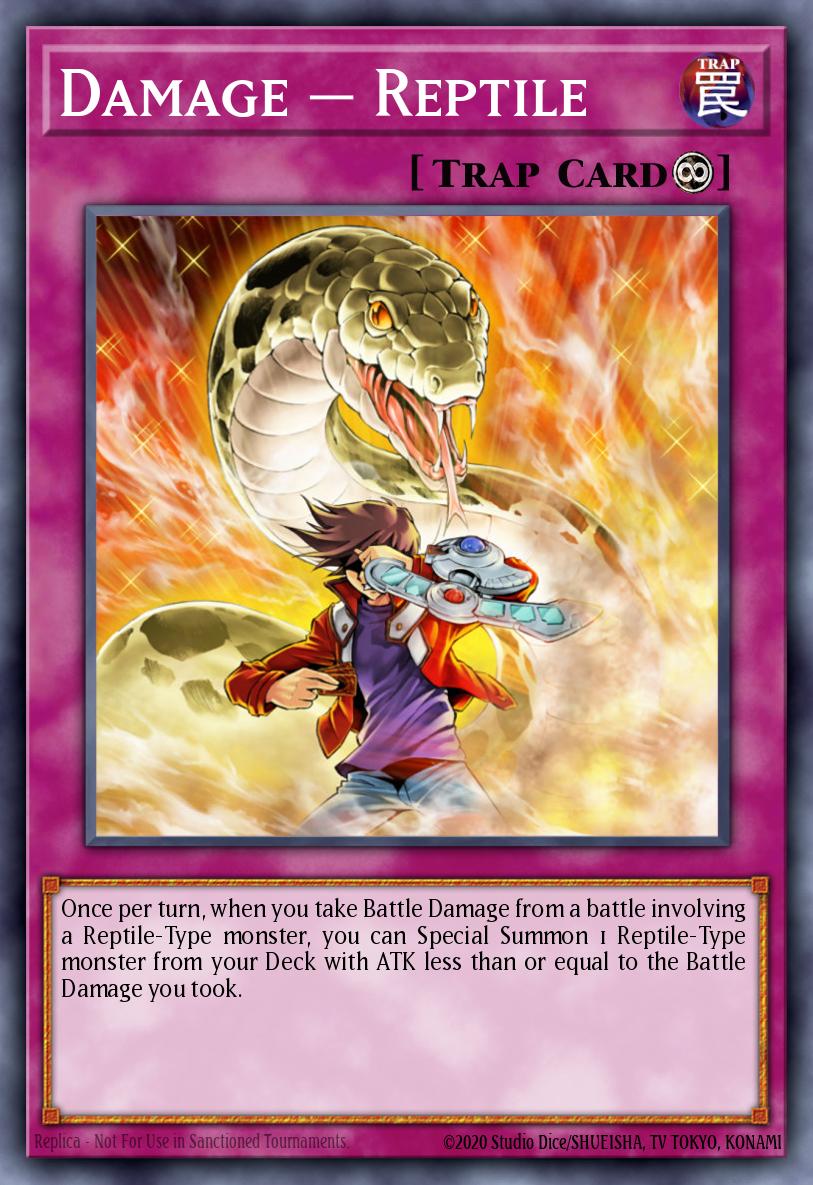
Synergy is key. Cards that can manipulate the game’s state—such as those that force opponents to discard or skip turns—can amplify the serpent’s patience. Meanwhile, cards that boost attack power or provide immunity to retaliation can enhance the dragon’s fury. The challenge lies in balancing these elements so that the card doesn’t become a liability. A poorly built deck might leave the player paralyzed by indecision, unable to commit to either path.
Another strategy is to use The Serpent and the Dragon as a meta-card, one that adapts to the opponent’s playstyle. If the opponent is aggressive, the player might lean into the serpent’s patience, waiting for the perfect counter. If the opponent is defensive, the dragon’s fury might be the key to breaking through their walls. This versatility makes the card a valuable asset in competitive play, where adaptability is often the difference between victory and defeat.
The Psychological Appeal: Why We’re Drawn to Duality
At its core, The Serpent and the Dragon resonates because it reflects a fundamental human experience: the struggle between opposing forces. Whether it’s logic vs. emotion, caution vs. boldness, or tradition vs. innovation, dualities shape our decisions and define our identities. This card taps into that universal theme, making it relatable on a deeply personal level.
Psychologically, the appeal of such dualities lies in their ability to create tension and narrative. We’re wired to seek resolution, to find meaning in chaos. The Serpent and the Dragon doesn’t offer a resolution—it embraces the tension, inviting players to sit with the discomfort of not knowing which path to take. This mirrors real-life situations where the “right” choice isn’t always clear, and the journey of decision-making is as important as the outcome.
Moreover, the card’s design plays into our love for storytelling. Every time it’s played, it feels like a scene from an epic saga: the serpent coils, the dragon roars, and the player must decide how the story unfolds. This narrative potential is what makes the card so engaging, turning a simple game piece into a protagonist in a larger tale of strategy and cunning.
Conclusion
The Serpent and the Dragon – Two Fears, One Card is more than just a card; it’s a philosophical exploration wrapped in art and gameplay. It challenges players to confront their own biases, to weigh the value of patience against the allure of power, and to find harmony in duality. Whether you’re drawn to its striking visuals, its strategic depth, or its mythological roots, this card offers something for everyone.
As you incorporate it into your collection or deck, remember that its true power lies not in its stats or effects, but in the questions it asks and the conversations it sparks. Fear, after all, is a universal language—and this card speaks it fluently.
FAQ
What is the main duality represented by The Serpent and the Dragon card?
It represents fear as both a weapon and a weakness, embodied by the serpent's patience and the dragon's fury.
How does the card affect player strategy?
Players must choose between waiting for the right moment or striking immediately, with the card adapting based on these choices.
What mythological significance does the card have?
It draws on myths where serpents and dragons symbolize opposing forces such as wisdom vs chaos and healing vs destruction.
Can The Serpent and the Dragon card evolve during gameplay?
Yes, its power can increase depending on player decisions, such as waiting or acting hastily.
Why is the card appealing psychologically?
It mirrors human conflict between opposing traits and encourages embracing uncertainty and complex decision-making.

Leave a Reply