Short Answer
The Death Tarot card is one of the most misunderstood cards in the deck, often associated with literal endings or misfortune. However, when interpreted through the lens of transformation and renewal, it reveals a powerful promise of profound change and a shift in perspective. In this guide, you will explore the deeper meanings of the Death card, its symbolism, how it influences personal growth, and how to harness its energy for positive transformation. Whether you’re a seasoned Tarot reader or a curious beginner, this article will provide clarity on how the Death card can guide you toward rebirth and new beginnings.
The Death Tarot Card: A Symbol of Transformation, Not Destruction
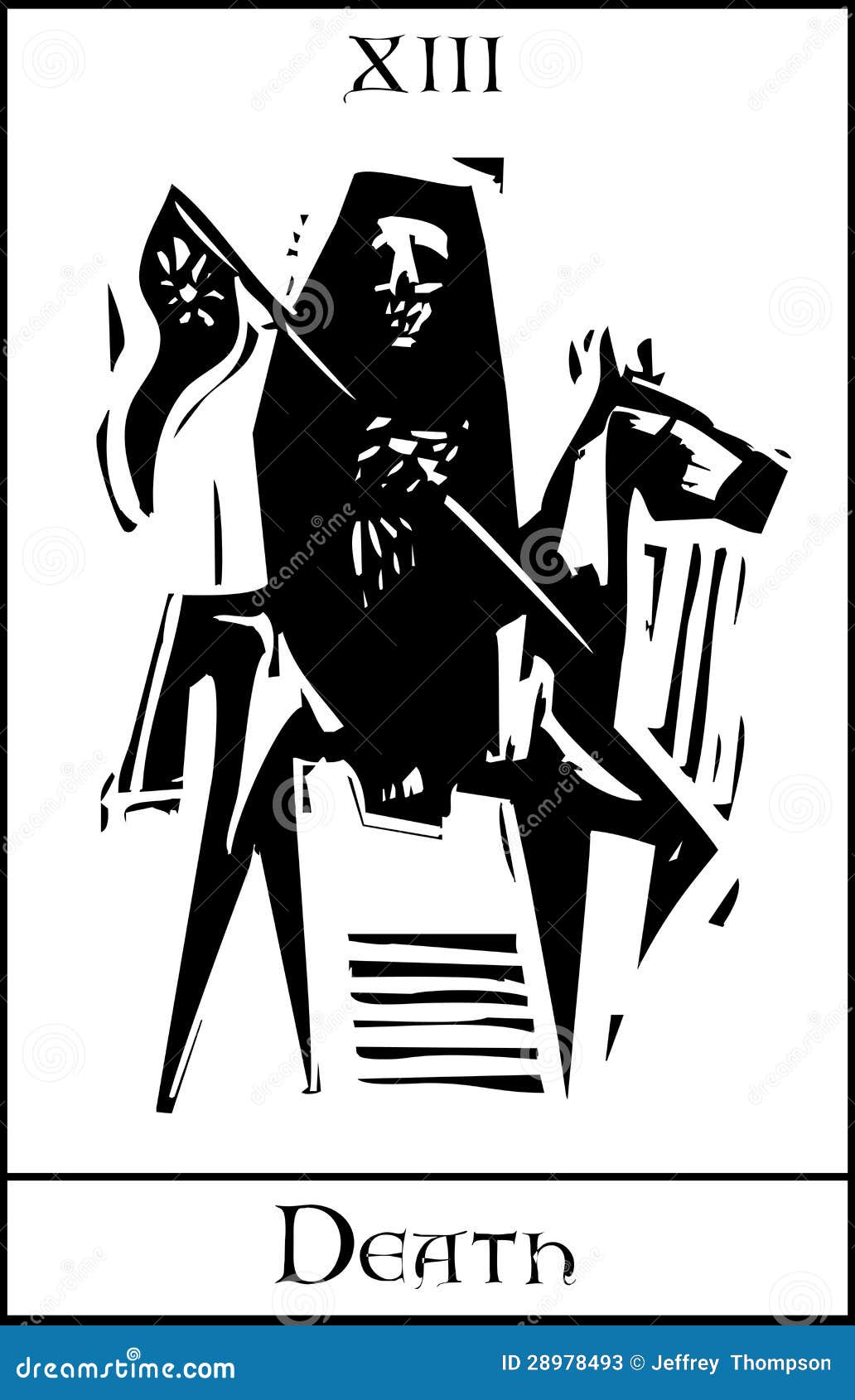
The Death card, numbered XIII in the Major Arcana, is often depicted with skeletal imagery, a rising sun, and a field of fallen figures—symbols that may initially evoke fear. However, the card’s true essence lies in its representation of metamorphosis rather than physical death. It signifies the end of one phase to make way for another, much like the changing seasons or the shedding of a snake’s skin.
At its core, the Death card promises a shift in perspective. It challenges you to release outdated beliefs, habits, or relationships that no longer serve your highest good. This card does not suggest destruction for its own sake but rather a necessary purging to clear space for growth. When it appears in a reading, it signals that transformation is not only imminent but essential for your evolution.
The imagery of the rising sun in many Death card illustrations reinforces this idea—it represents hope, renewal, and the dawn of a new chapter. The fallen figures in the background are not victims but souls making way for transformation, emphasizing that endings are a natural part of life’s cycle.

How the Death Card Promises a Shift in Perspective
The Death card acts as a catalyst for mental and emotional renewal. It encourages you to examine your life with honesty and courage, asking difficult questions: What no longer aligns with your true self? What fears or limiting beliefs are holding you back? By confronting these questions, the card pushes you toward a higher level of awareness.
This shift in perspective often comes through sudden realizations or external events that force you to see things differently. For example, a job loss might initially feel devastating, but it could lead to a more fulfilling career path. A relationship ending might bring heartache, but it may also free you to pursue a healthier dynamic. The Death card reminds you that endings are not failures—they are gateways to new possibilities.
In readings, the Death card may appear when you’re resisting change or clinging to the past. Its presence is a gentle (or sometimes forceful) nudge to let go and trust the process of transformation. It’s not about losing everything but about shedding what no longer serves you to make room for what does.

The Death Card’s Role in Personal Growth and Rebirth
Personal growth is rarely comfortable, and the Death card embodies this discomfort as a necessary part of evolution. It teaches that growth requires sacrifice—whether it’s leaving a toxic environment, ending a self-destructive habit, or releasing a long-held grudge. These sacrifices are not losses; they are investments in your future self.
When the Death card appears in a reading about personal development, it often signals a major breakthrough is on the horizon. This could manifest as a spiritual awakening, a career pivot, or a deep emotional healing. The card’s energy is intense but ultimately liberating, as it strips away illusions and reveals truths you’ve been avoiding.
For those undergoing therapy, self-reflection, or spiritual practices, the Death card can be a powerful ally. It validates the pain of transformation while assuring you that the process is leading you toward a stronger, more authentic version of yourself. The rebirth it promises is not immediate—it’s a gradual unfolding, much like the slow emergence of a plant from the soil after a long winter.
Common Misconceptions About the Death Card
One of the biggest obstacles to understanding the Death card is the fear surrounding its name. Many people panic when they see it in a reading, assuming it predicts doom or loss. However, the card’s true meaning is far from literal death. It’s about metaphorical death—the death of old ways, outdated identities, or stagnant situations.
Another misconception is that the Death card always indicates a negative or traumatic event. While it can signal challenging transitions, its energy is ultimately constructive. It doesn’t bring destruction without purpose; it brings transformation with intention. The card’s appearance is a sign that something must change, and while the process may be difficult, the outcome will be worth it.
It’s also important to note that the Death card is not about permanent endings. Instead, it highlights the cyclical nature of life—every ending is a precursor to a new beginning. Even in grief or loss, the card reminds you that healing and renewal are possible.
How to Work with the Death Card’s Energy
If the Death card appears in your reading, there are several ways to align with its transformative energy:
- Embrace Release: Identify what you need to let go of—whether it’s a belief, a relationship, or a habit. Write it down and symbolically release it through a ritual (e.g., burning the paper, burying it, or tossing it into a river).
- Practice Radical Honesty: Ask yourself tough questions: What is no longer serving me? What am I afraid to change? Journaling can help uncover hidden truths.
- Trust the Process: Transformation is rarely linear. Allow yourself to grieve the old while remaining open to the new. The Death card teaches patience and faith in the unknown.
- Seek Symbolic Rebirth: Engage in activities that symbolize renewal, such as redecorating your space, starting a new creative project, or even adopting a new routine that reflects your evolved self.
Working with the Death card’s energy requires courage, but the rewards are immense. It invites you to surrender to the natural flow of life, trusting that every ending is a step toward a brighter future.
Conclusion
The Death Tarot card is a profound reminder that transformation is not something to fear but something to embrace. It promises a shift in perspective, urging you to release what no longer serves you so you can step into a brighter, more authentic version of yourself. While its imagery may seem daunting, its message is ultimately one of hope and renewal.
Whether the Death card appears in a reading or resonates with you on a personal level, remember that its energy is not about destruction—it’s about rebirth. By understanding its deeper meaning, you can navigate life’s transitions with greater clarity and confidence, knowing that every ending is a new beginning in disguise.
FAQ
What does the Death card mean in a Tarot reading?
The Death card represents transformation, endings that lead to new beginnings, and the release of what no longer serves you.
Is the Death card always a negative omen?
No, the Death card signifies positive transformation and renewal, not literal death or misfortune.
How can I work with the energy of the Death card?
You can embrace release, practice radical honesty, trust the transformation process, and seek symbolic rebirth activities.
Why is the Death card misunderstood?
Its imagery and name often evoke fear, but it actually symbolizes necessary endings and powerful personal growth.
Leave a Reply