Short Answer
Embark on a transformative journey into the world of tarot with The Ultimate Guide to Tarot Card Meanings, a comprehensive resource designed to elevate your understanding from beginner to advanced practitioner. Whether you’re seeking clarity, self-discovery, or a deeper connection to the mystical arts, this guide promises to shift your perspective and ignite your curiosity. You’ll uncover the hidden symbolism behind each card, learn how to interpret spreads with confidence, and develop the intuitive skills needed to unlock the tarot’s profound wisdom. By the end, you’ll not only read the cards but also understand their messages in a way that resonates with your personal journey.
The Power of Tarot: More Than Just Cards
Tarot is often misunderstood as mere fortune-telling, but it’s far more than that. At its core, tarot is a mirror—reflecting your subconscious thoughts, emotions, and life’s hidden patterns. Each card in the deck carries archetypal energy, drawing from centuries of symbolism, mythology, and collective human experience. The Major Arcana, for instance, represents life’s grand themes, from innocence (The Fool) to transformation (Death) and enlightenment (The World). Meanwhile, the Minor Arcana reflects everyday situations, divided into four suits: Cups (emotions), Pentacles (material world), Swords (intellect), and Wands (creativity). Understanding these layers allows you to see tarot as a tool for introspection rather than prediction.

Decoding the Cards: A Deep Dive into Meanings
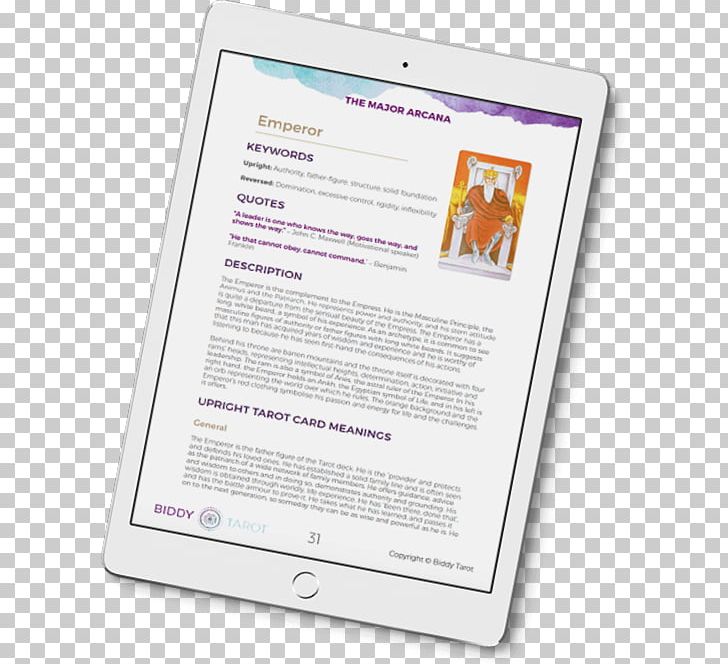
Mastering tarot begins with memorizing the core meanings of each card, but true mastery comes from interpreting their nuances in context. For example, The Lovers card isn’t just about romance—it can symbolize choices, harmony, or even a test of values. Similarly, the Eight of Cups often depicts someone walking away, but its message could relate to emotional detachment, seeking deeper fulfillment, or leaving behind what no longer serves you. This guide breaks down each card’s upright and reversed meanings, offering keywords and scenarios to help you recognize their messages in readings. You’ll also learn how numerology and elemental associations (fire, water, air, earth) influence a card’s energy, adding depth to your interpretations.
Reading Spreads: From Simple to Advanced Techniques
A tarot spread is a layout of cards that provides insight into a specific question or situation. Beginners often start with the Three-Card Spread (past, present, future), but as you progress, you can explore more complex layouts like the Celtic Cross or the Horseshoe Spread. Each position in a spread has a distinct meaning, and the relationships between cards—such as oppositions, repetitions, or clusters—add layers to your reading. For instance, in a career-focused spread, the card in the “obstacles” position might reveal hidden fears, while the “advice” card could suggest a new approach. This guide includes step-by-step instructions for designing your own spreads, interpreting card interactions, and trusting your intuition to guide the process.
Developing Intuition: Beyond the Guidebook
While guidebooks provide a foundation, the most powerful tarot readings come from within. Developing your intuition involves quieting the analytical mind and tuning into the subtle messages the cards convey. Start by meditating with a single card each day, observing the imagery, colors, and emotions it evokes. Pay attention to synchronicities—those moments when a card’s message seems to align perfectly with your life. Journaling your readings helps track patterns over time, reinforcing your connection to the deck. You’ll also learn techniques like visualizing the card’s energy, using pendulums for clarification, and grounding yourself before readings to enhance clarity and reduce bias.
Common Pitfalls and How to Avoid Them
Even experienced readers can fall into traps that skew their interpretations. One common mistake is over-reliance on guidebooks, which can stifle personal intuition. Another is allowing personal biases to color a reading—for example, interpreting The Tower as purely negative when it might signal necessary upheaval. This guide addresses these challenges by encouraging a balanced approach: use guidebooks as a starting point, but always ask, “What does this mean to *me*?” It also covers ethical considerations, such as avoiding readings for others without their consent and respecting the tarot’s role as a tool for guidance, not control. By recognizing these pitfalls, you’ll cultivate readings that are both insightful and empowering.
Tarot for Personal Growth: A Path to Self-Discovery
Beyond divination, tarot is a catalyst for personal growth. It can help you identify limiting beliefs, explore unexamined desires, and navigate life’s transitions with greater awareness. For instance, pulling The Hermit might prompt you to seek solitude for reflection, while The Chariot could inspire you to take decisive action toward a goal. This guide includes exercises like the “Year Ahead” spread to set intentions or the “Shadow Work” spread to confront inner obstacles. You’ll also discover how to use tarot for shadow work—revealing hidden aspects of yourself—and for manifestation, by aligning your energy with your desired outcomes. The tarot becomes not just a mirror but a compass, guiding you toward your highest potential.
Conclusion
The Ultimate Guide to Tarot Card Meanings is more than a manual—it’s an invitation to see the world through a lens of symbolism, intuition, and possibility. As you journey through the cards, you’ll find that tarot is a dynamic conversation between you and the universe, offering clarity in moments of doubt and validation in times of uncertainty. Whether you’re drawn to tarot for spiritual exploration, creative inspiration, or personal empowerment, this guide equips you with the tools to read with confidence and depth. Remember, the cards are a reflection of your inner landscape; the more you engage with them, the more they reveal. Embrace the process, trust your instincts, and let the tarot illuminate your path forward.
FAQ
What is tarot and how does it work?
Tarot is a deck of cards used as a tool for introspection, personal growth, and guidance. It reflects subconscious patterns through archetypal symbolism to provide insight rather than definite predictions.
What is the difference between Major Arcana and Minor Arcana cards?
Major Arcana cards represent significant life themes and archetypes, while Minor Arcana cards depict everyday situations divided into four suits: Cups, Pentacles, Swords, and Wands.
How do upright and reversed tarot card meanings differ?
Upright cards generally convey the core, positive or neutral meanings, while reversed cards often indicate blocked energy, challenges, or nuanced interpretations.
What are some common tarot spreads for beginners?
Beginners typically start with simple spreads like the Three-Card Spread (past, present, future) before progressing to more complex layouts such as the Celtic Cross or Horseshoe Spread.
How can I develop my intuition when reading tarot?
Develop intuition by meditating with individual cards, journaling your readings, observing synchronicities, and practicing techniques like visualization and grounding before readings.
Leave a Reply