Short Answer
Embark on a journey through the mystical world of tarot, where ancient symbols whisper secrets of the past, present, and future. This comprehensive guide will unravel the enigmatic language of the tarot deck, from the humble Ace to the profound Major Arcana. You’ll discover how each card serves as a mirror to the soul, reflecting hidden truths and offering guidance with poetic precision. Whether you’re a seasoned reader or a curious beginner, this exploration will illuminate the tarot’s unique appeal—its ability to blend art, psychology, and spirituality into a single, captivating experience. Prepare to see the cards not just as tools, but as gateways to deeper self-awareness and cosmic connection.
The Tarot Deck: A Mirror to the Universe
The tarot deck is more than a collection of illustrated cards; it is a microcosm of the human experience, intricately woven with symbols that transcend time and culture. Traditionally consisting of 78 cards, the deck is divided into two main sections: the Major Arcana and the Minor Arcana. The Major Arcana, comprising 22 cards, represents life’s grand themes—birth, love, betrayal, enlightenment—each depicted as a numbered journey from The Fool to The World. These cards are the heart of the tarot, embodying universal archetypes that resonate with our deepest fears, desires, and aspirations.
The Minor Arcana, with its 56 cards, mirrors the structure of a standard playing deck, divided into four suits: Wands, Cups, Swords, and Pentacles. Each suit corresponds to an element—fire, water, air, and earth—and explores the everyday trials and triumphs of life. Together, these cards form a language that speaks in metaphors, offering insights into relationships, career paths, and personal growth. The tarot’s power lies in its ambiguity; it invites interpretation, allowing the reader to project their own experiences onto the symbols, making each reading a deeply personal revelation.
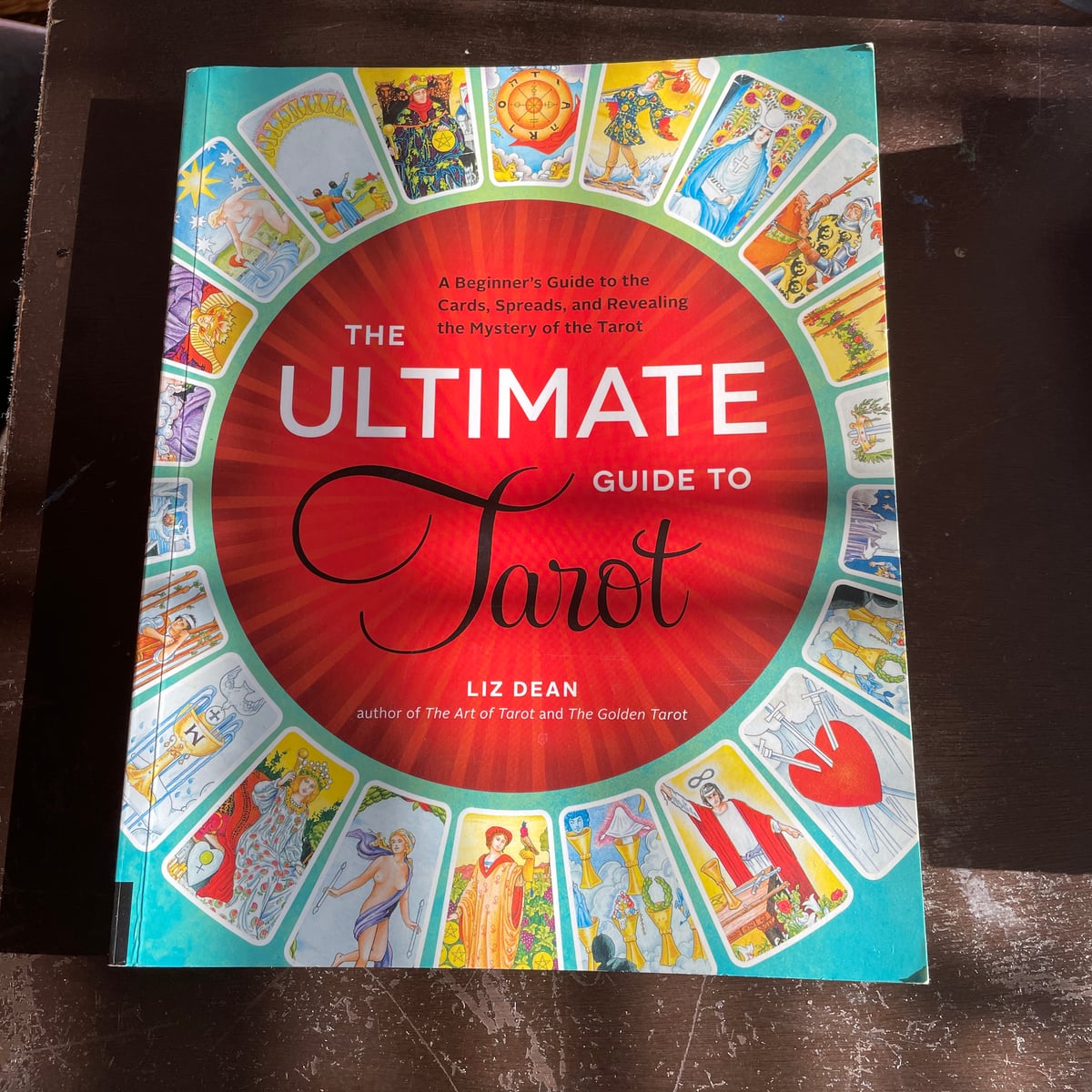
The Fool’s Journey: A Metaphor for Life’s Path
At the heart of the tarot’s narrative is The Fool, card number zero in the Major Arcana. Represented as a carefree traveler on the edge of a cliff, The Fool symbolizes beginnings, spontaneity, and the leap of faith required to embark on any new venture. This card is a reminder that life is a journey filled with unknowns, and sometimes, the most profound growth comes from taking risks without fear of failure. The Fool’s journey through the Major Arcana—from The Magician to The World—is a metaphor for personal evolution, where each card represents a lesson, a challenge, or a revelation.
Consider The Lovers, for example, which is often misunderstood as merely a card of romance. In truth, it speaks to choices, harmony, and the union of opposites—whether in love, career, or self-acceptance. Similarly, The Tower, with its dramatic imagery of a crumbling structure, represents sudden upheaval and the destruction of illusions. Yet, from this chaos emerges clarity, much like a forest fire that clears the way for new growth. These cards are not just static images; they are dynamic stories that reflect the ebb and flow of human existence.
The Minor Arcana: The Tapestry of Everyday Life
While the Major Arcana captures the grand themes of life, the Minor Arcana delves into the nuances of daily existence. Each suit in the Minor Arcana corresponds to a different aspect of human experience. Wands, associated with fire, symbolize creativity, passion, and ambition. Aces of Wands herald new ideas or projects, while the Ten of Wands may indicate burnout or the weight of responsibility. Cups, tied to water, explore emotions, relationships, and intuition. The Three of Cups celebrates friendship and joy, while the Five of Cups mourns loss but also hints at the possibility of healing.
Swords, linked to air, represent intellect, conflict, and communication. The Ace of Swords cuts through confusion, offering clarity, while the Queen of Swords embodies independence and sharp wit. Pentacles, tied to earth, ground the tarot in the tangible—money, health, and material stability. The Ace of Pentacles promises new opportunities in finances or career, while the Ten of Pentacles celebrates legacy and abundance. Together, these cards weave a tapestry of human experience, from the mundane to the profound, offering guidance and reflection at every turn.
Reading the Tarot: Intuition Meets Structure
Reading the tarot is a dance between intuition and structure. While the cards follow a traditional framework, their meanings are fluid, shaped by the reader’s perspective and the querent’s circumstances. A spread—a specific arrangement of cards—can provide clarity on a particular question or situation. The Celtic Cross, for instance, is one of the most popular spreads, offering insights into past influences, present challenges, and future possibilities. Each position in the spread acts as a chapter in a story, guiding the reader toward a deeper understanding of the query at hand.
The key to a meaningful reading lies in the language of symbols. Take The High Priestess, a card draped in mystery, often associated with intuition and hidden knowledge. When she appears in a reading, she may signal the need to trust one’s instincts or to look beyond the surface for answers. Similarly, The Chariot, with its imagery of a warrior in a triumphant vehicle, represents determination and willpower. Its presence in a spread could indicate a need for focus or a reminder that success comes from harnessing opposing forces—like the charioteer balancing opposing sphinxes—to move forward with purpose.
The Tarot’s Unique Appeal: Why It Endures
The tarot’s enduring appeal lies in its ability to adapt and resonate across cultures and eras. Unlike rigid dogma, the tarot is a living, breathing entity that evolves with the times. Modern decks, such as the Wild Unknown or the Modern Witch Tarot, reimagine traditional imagery with contemporary themes, making the cards accessible to new generations. The tarot’s language is also deeply personal; it speaks in metaphors that feel tailor-made for the individual, whether through the lens of psychology, spirituality, or art.
Moreover, the tarot offers a sense of agency in an unpredictable world. In times of uncertainty, the cards provide a framework for reflection, helping individuals navigate challenges with a sense of purpose. They encourage self-inquiry, prompting questions like, “What patterns do I keep repeating?” or “What lessons is this situation teaching me?” This introspective quality makes the tarot a powerful tool for growth, not just prediction. It’s no wonder that tarot readings have surged in popularity, becoming a staple in self-care routines and creative pursuits alike.
Conclusion
The tarot is more than a divination tool; it is a mirror, a guide, and a storybook of the human experience. From the bold declarations of the Major Arcana to the nuanced whispers of the Minor Arcana, each card invites you to explore the depths of your own psyche and the world around you. Whether you seek answers, inspiration, or simply a moment of reflection, the tarot offers a language that is as poetic as it is profound. Embrace the journey from Ace to Major Arcana, and let the cards illuminate the path ahead—one symbol, one story, at a time.
FAQ
What is the difference between the Major Arcana and Minor Arcana?
The Major Arcana focuses on major life events and archetypes with 22 cards, while the Minor Arcana includes 56 cards divided into four suits representing everyday experiences.
What does The Fool card symbolize?
The Fool represents new beginnings, spontaneity, and the courage to embark on life's journey with an open heart and mind.
How do tarot readers interpret the cards?
Readers combine traditional card meanings with intuition and the context of the question or situation to provide personalized insights.
Why is tarot relevant in modern times?
Tarot remains relevant due to its adaptability and its use as a tool for introspection, guidance, and creative expression.
What is the Celtic Cross spread?
The Celtic Cross is a popular tarot spread that provides a comprehensive overview of past influences, present challenges, and future possibilities.
Leave a Reply