Short Answer
In this guide, you’ll explore the enigmatic allure of the Upside Down Chariot and the Upside Down Devil, two recurring motifs in art and mythology that captivate audiences with their paradoxical nature. You’ll uncover the symbolic meanings behind these inverted figures, their historical roots, and why they continue to fascinate modern audiences. By the end, you’ll understand the deeper psychological and cultural reasons these themes resonate so strongly.
The Symbolism of Inversion in Art and Mythology
The concept of inversion—flipping objects, figures, or ideas upside down—has long been a powerful tool in art and storytelling. In many cultures, inversion represents chaos, rebellion, or the subversion of natural order. The Upside Down Chariot and Upside Down Devil embody this disruption, challenging the viewer’s perception of what is “right” or “normal.” In religious and mythological contexts, inverted figures often symbolize the reversal of moral or cosmic laws, suggesting a world where the usual rules no longer apply.
Artists frequently use inversion to evoke a sense of unease or to provoke thought. By presenting familiar subjects in an unfamiliar way, they force the audience to question their assumptions. This technique is not just a visual trick; it’s a commentary on the fragility of order and the potential for chaos beneath the surface of everyday life.
The Upside Down Chariot: A Vehicle of Paradox
The Upside Down Chariot is a striking image that appears in various forms across different cultures and time periods. Unlike traditional chariots, which are associated with power, speed, and control, an inverted chariot suggests a loss of direction or purpose. This motif can be found in religious iconography, where it may represent the fall of a divine or heroic figure, or in secular art, where it serves as a metaphor for societal upheaval.
In some interpretations, the Upside Down Chariot is linked to the idea of a “broken” or “failed” journey. It may symbolize a hero’s downfall, a failed quest, or the collapse of an empire. The inversion of such a powerful symbol underscores the fragility of human achievements and the inevitability of decline. Artists often use this imagery to explore themes of hubris, fate, and the cyclical nature of history.

The Upside Down Devil: A Twisted Archetype
The Upside Down Devil is another compelling motif that plays on the inversion of traditional religious and moral narratives. Unlike the classic image of the devil as a cunning tempter or a fallen angel, the Upside Down Devil subverts expectations by presenting the figure in a distorted or chaotic form. This inversion can represent the devil as a symbol of rebellion against divine order, or it may reflect the idea that evil itself is a perversion of good.
In art, the Upside Down Devil often appears as a grotesque or surreal figure, with exaggerated features or unnatural proportions. This visual distortion reinforces the idea that evil is not just a moral failing but a fundamental disruption of the natural order. The Upside Down Devil can also be interpreted as a representation of the subconscious mind, where repressed desires and fears take on monstrous forms.

Cultural and Psychological Reasons for Fascination
The enduring fascination with inverted figures like the Upside Down Chariot and Upside Down Devil can be attributed to several cultural and psychological factors. One key reason is the human attraction to the unknown and the taboo. Inversion disrupts familiar patterns, making these images intriguing and unsettling at the same time. This duality taps into our curiosity about the boundaries between order and chaos, good and evil.
From a psychological perspective, inverted imagery can represent the subconscious mind’s tendency to process information in non-linear ways. The brain is wired to seek patterns, and when those patterns are broken, it creates a cognitive dissonance that demands attention. This may explain why inverted figures often evoke strong emotional responses, ranging from awe to fear.
In modern culture, the Upside Down Chariot and Upside Down Devil have found new life in contemporary art, literature, and media. They appear in everything from horror films to surrealist paintings, where they serve as symbols of societal anxieties or personal struggles. Their continued relevance speaks to their versatility as tools for exploring complex themes.
Why These Motifs Resonate Across Time and Mediums
The appeal of the Upside Down Chariot and Upside Down Devil lies in their ability to transcend specific contexts and speak to universal human experiences. Whether in ancient mythology or modern digital art, these motifs tap into primal fears and desires. They challenge the viewer to confront the idea that the world is not as stable or predictable as it seems.
Artists and storytellers use inversion to create tension, provoke thought, and push boundaries. By flipping familiar symbols upside down, they invite the audience to question their own perceptions and consider alternative realities. This subversive quality ensures that these motifs remain relevant, evolving with each new generation that encounters them.
Conclusion
The Upside Down Chariot and Upside Down Devil are more than just visual curiosities—they are powerful symbols that challenge our understanding of order, morality, and reality. Their enduring appeal lies in their ability to evoke a sense of unease while also inviting deeper reflection. Whether as metaphors for societal collapse, personal struggles, or the mysteries of the subconscious, these inverted figures continue to captivate and intrigue. By exploring their symbolism and cultural significance, we gain insight into the human psyche and the timeless allure of the unknown.
FAQ
What is the significance of inversion in these motifs?
Inversion symbolizes the reversal of order and challenges conventional perceptions, often representing chaos or moral upheaval.
How do these motifs relate to tarot cards?
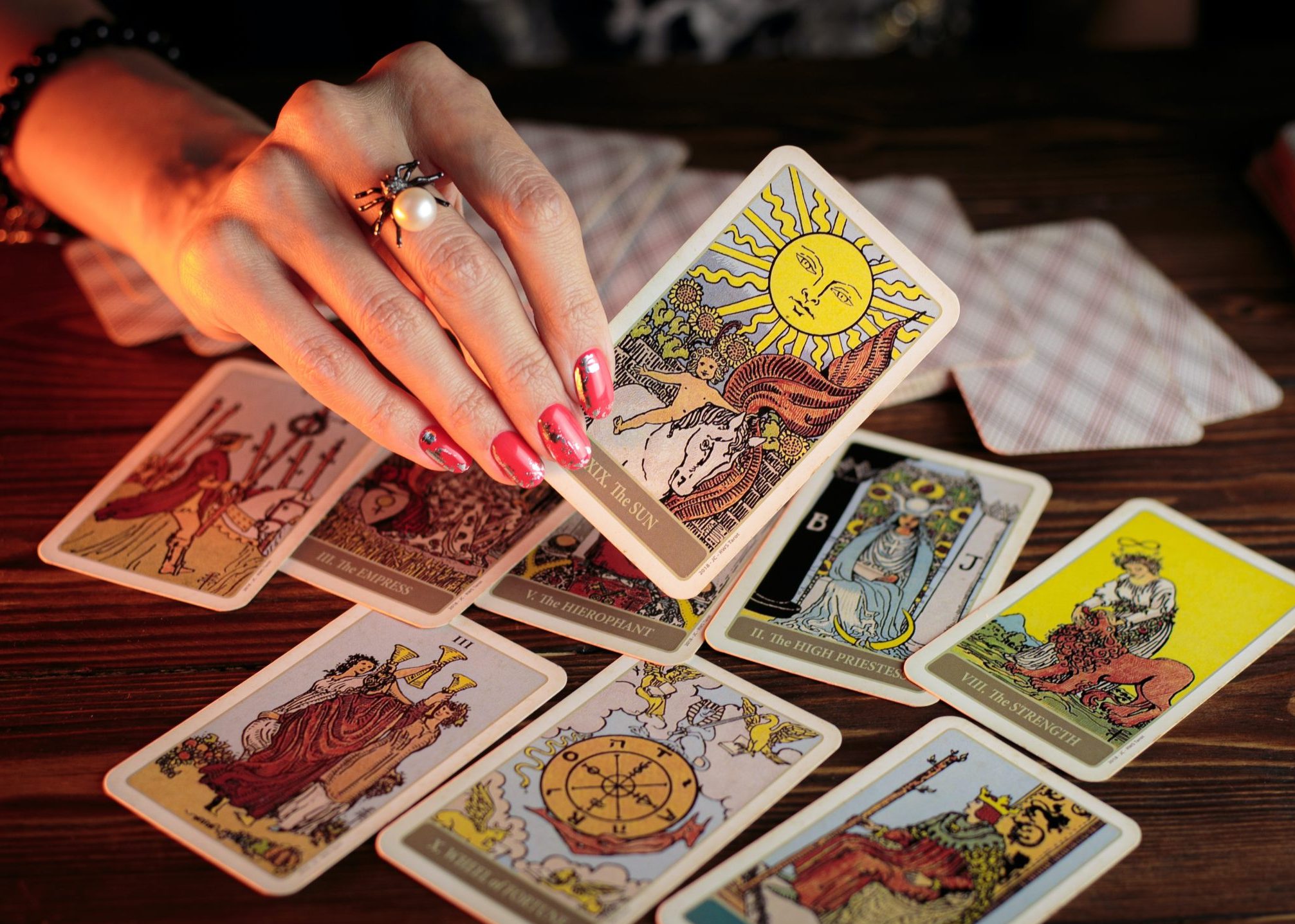
They echo themes found in tarot, particularly in the reversed meanings of cards like The Chariot and The Devil, signifying blocked energy or distorted influences.
Why do these inverted figures continue to fascinate modern audiences?
Because they provoke reflection on order versus chaos and tap into universal psychological themes of fear, rebellion, and the unknown.
Leave a Reply