Short Answer
This guide explores the concept of “Upside Down Strength” and its connection to Temperance, addressing a common observation about human fascination with inverted power dynamics. You’ll learn how these themes manifest in art, psychology, and philosophy, and why they resonate so deeply across cultures. By the end, you’ll understand the deeper reasons behind this enduring intrigue and how it applies to personal growth and societal structures.
The Paradox of Upside Down Strength
At first glance, the idea of “upside down strength” seems counterintuitive. Strength is traditionally associated with dominance, control, and upward momentum—qualities that align with growth and progress. Yet, there exists a compelling fascination with the opposite: strength that emerges from vulnerability, resilience that thrives in adversity, and power that flows from surrender rather than conquest. This paradox isn’t just a philosophical curiosity; it reflects a fundamental truth about human nature and the way strength operates in unexpected forms.
Consider the image of a tree bending in a storm. Its branches may appear weak, yet they survive precisely because they yield rather than resist. Similarly, the concept of “upside down strength” suggests that true resilience often comes from adaptability, humility, and the ability to turn challenges into opportunities for growth. This idea isn’t confined to nature—it permeates art, literature, and even modern discussions about mental health and leadership.

Temperance: The Alchemy of Balance
Temperance, often represented in tarot and spiritual traditions, embodies the principle of balance and moderation. It’s the force that harmonizes opposing energies—fire and water, action and rest, giving and receiving. When viewed through the lens of “upside down strength,” Temperance takes on a deeper meaning: it’s not just about avoiding extremes but about transforming them. Strength, in this context, isn’t about overpowering obstacles but about integrating them into a cohesive whole.
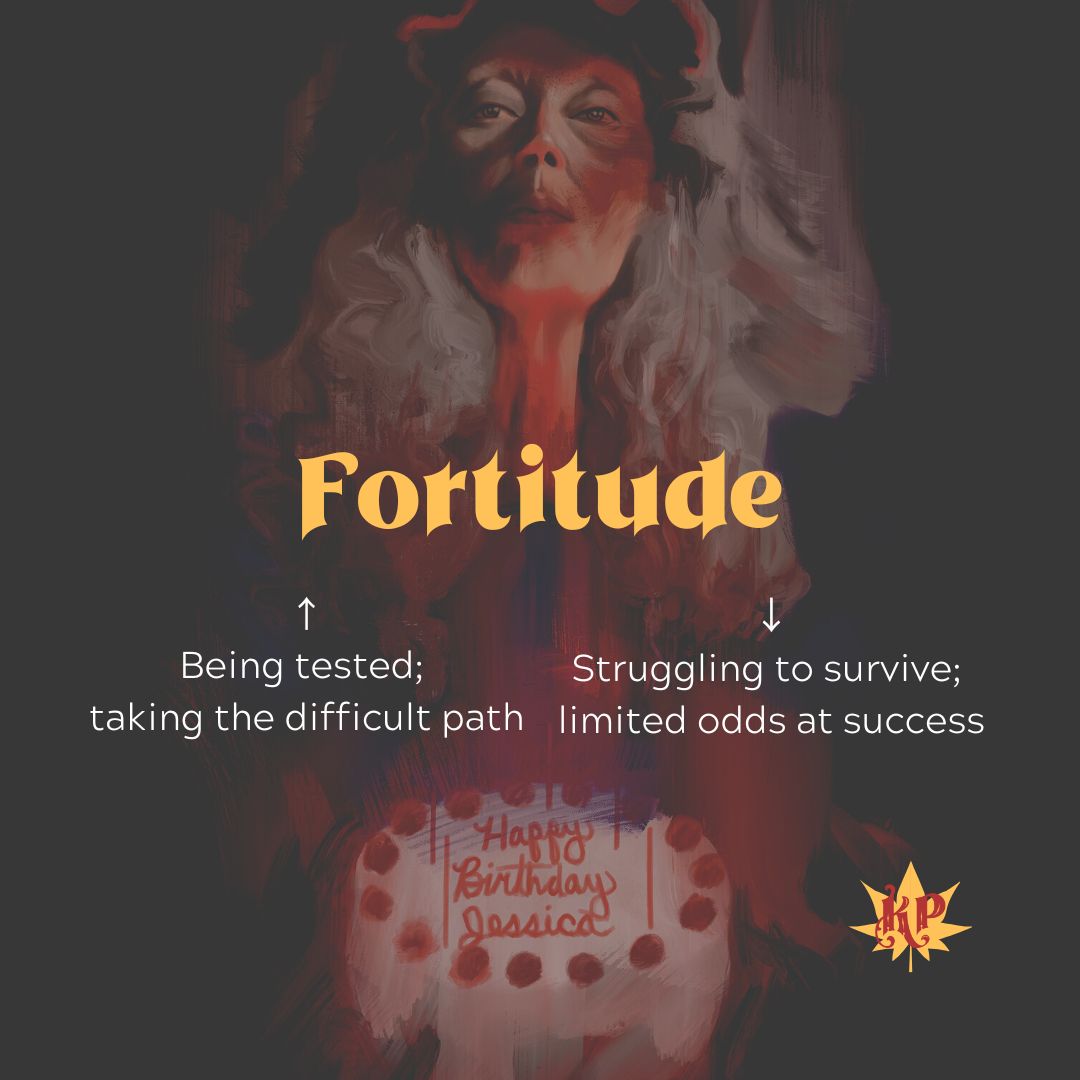
Historically, Temperance has been misunderstood as mere abstinence or self-denial. However, its true essence lies in the alchemy of opposites. For example, the Strength card in tarot doesn’t depict a warrior overpowering a beast; it shows a figure gently closing the jaws of a lion, symbolizing the mastery of inner turmoil through compassion and patience. This is the essence of upside-down strength: the ability to harness what seems weak or chaotic and turn it into a source of power.
In psychological terms, Temperance aligns with the concept of emotional regulation—the ability to navigate intense emotions without being overwhelmed by them. It’s the strength to pause before reacting, to listen before speaking, and to accept imperfection as part of the human experience. This form of strength is often invisible to outsiders but profoundly transformative for the individual.
The Psychology Behind the Fascination
Why are we so drawn to the idea of strength emerging from unexpected places? One reason is the human need for hope in adversity. Stories of underdogs overcoming seemingly insurmountable odds resonate because they reflect our own struggles and the possibility of triumph. The fascination with upside-down strength taps into this narrative, offering a counterintuitive path to success—one that doesn’t require domination but rather a deep understanding of one’s own limits and potentials.
Another psychological factor is the appeal of paradox. Humans are wired to seek patterns and meaning, and paradoxes challenge our conventional thinking. The idea that weakness can be a source of strength, or that surrender can lead to victory, forces us to question our assumptions about power. This cognitive dissonance is intellectually stimulating and emotionally compelling, making the theme of upside-down strength a recurring motif in art, mythology, and personal development literature.
Moreover, modern society’s emphasis on productivity and control has led to widespread burnout and stress. The concept of upside-down strength offers a counter-narrative: it suggests that true power lies not in relentless exertion but in the ability to adapt, recover, and find equilibrium. This resonates with contemporary audiences who are increasingly seeking sustainable ways to thrive in an unpredictable world.
Cultural and Artistic Manifestations
Throughout history, cultures have celebrated strength in unconventional forms. In Japanese culture, the principle of wabi-sabi embraces imperfection and transience as sources of beauty and resilience. In Hindu philosophy, the concept of ahimsa (non-violence) is framed as a form of ultimate strength, as seen in the teachings of Mahatma Gandhi and Martin Luther King Jr. Even in Western traditions, figures like Jesus Christ or Buddha are revered not for their physical power but for their spiritual fortitude and ability to transform suffering into wisdom.
Art and media frequently explore this theme. Films like The Shawshank Redemption depict strength in the form of endurance and hope in the face of oppression. Literature, from Homer’s The Odyssey to modern works like The Alchemist, often features protagonists who find strength in unexpected places—through humility, intuition, or the acceptance of failure. Visual art, too, captures this dynamic, as seen in the tarot card of Strength, where a gentle figure tames a lion, or in the surrealist works of artists like Salvador Dalí, who played with inverted realities to challenge perceptions of power.

Practical Applications: Cultivating Upside Down Strength
Understanding the concept of upside-down strength is one thing; applying it to daily life is another. Here are practical ways to cultivate this form of resilience and balance:
- Embrace Vulnerability: Strength isn’t about being invincible; it’s about being authentic. Allow yourself to be seen in your struggles, as this openness often leads to deeper connections and unexpected solutions.
- Practice Temperance in Action: Temperance isn’t passivity—it’s intentional action. Before reacting impulsively, pause and ask yourself: “What would balance look like in this situation?” This could mean setting boundaries, delegating tasks, or simply taking a moment to breathe.
- Reframe Challenges: Instead of viewing obstacles as threats, see them as opportunities to grow. The Strength card in tarot teaches that what seems like a weakness (e.g., fear, uncertainty) can become a source of power when approached with compassion and patience.
- Seek Wisdom in Paradox: When faced with a dilemma, explore the “both/and” rather than the “either/or.” For example, you can be both strong and gentle, assertive and empathetic, driven and patient.
- Incorporate Rituals of Balance: Whether it’s meditation, journaling, or spending time in nature, create practices that ground you and remind you of the importance of equilibrium in your life.
Conclusion
The fascination with upside-down strength and Temperance isn’t merely a quirk of human psychology—it’s a reflection of a deeper truth about resilience and balance. In a world that often glorifies dominance and control, these concepts offer a refreshing alternative: the idea that true power lies in adaptability, humility, and the alchemy of opposites. Whether through art, philosophy, or personal practice, exploring these themes can lead to profound insights about what it means to be strong.
Ultimately, upside-down strength isn’t about weakness masquerading as power; it’s about recognizing that strength comes in many forms. It’s the quiet resolve of the tree that bends but doesn’t break, the wisdom of the lion tamer who uses gentleness to command respect, and the inner peace of the individual who finds balance in the midst of chaos. By embracing this perspective, we open ourselves to a more nuanced and sustainable path to growth—one that honors both our vulnerabilities and our potential.
FAQ
What is upside down strength?
Upside down strength refers to power that comes from vulnerability, patience, and emotional balance rather than traditional dominance or control.
How does Temperance relate to strength in tarot?
Temperance symbolizes balance and harmony, complementing the idea of strength as gentle mastery and emotional regulation.
Can upside down strength help with personal growth?
Yes, it encourages adaptability, emotional resilience, and finding power in acceptance and balance.
Why are paradoxes like upside down strength important?
They challenge conventional thinking, promote deeper understanding, and inspire hope during adversity.
Leave a Reply