Short Answer
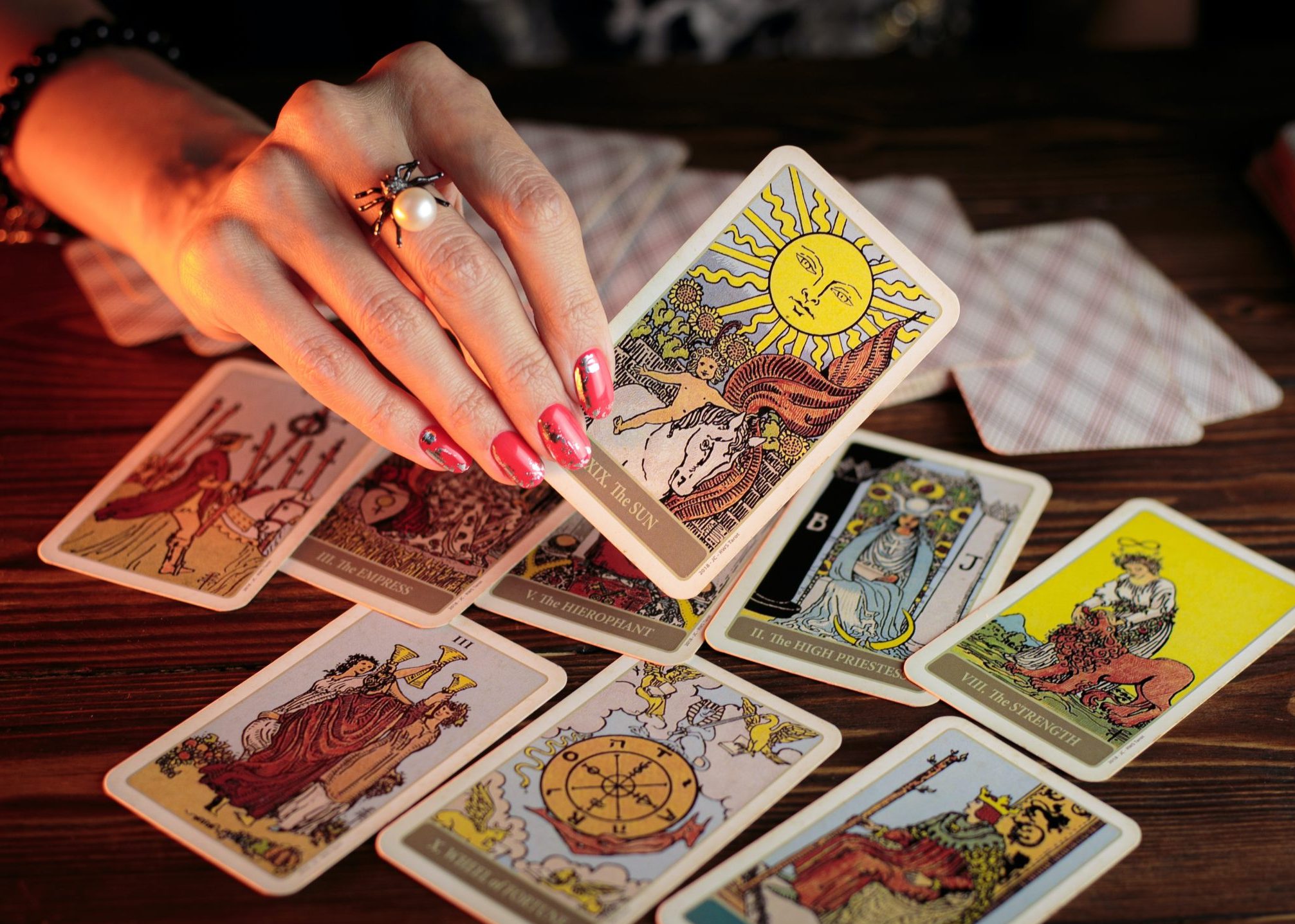
Welcome to your comprehensive guide to the V Tarot card—The Hierophant. In this article, you’ll explore the deep symbolism, traditional meanings, and modern interpretations of this powerful archetype. You’ll also discover how to pose a playful question to the Hierophant and uncover the potential challenges that may arise when engaging with this energy. By the end, you’ll have a richer understanding of how The Hierophant can guide your spiritual and practical decisions.
The Hierophant: Guardian of Tradition and Spiritual Wisdom
The Hierophant is the fifth card in the Major Arcana and represents tradition, spiritual guidance, and the bridge between the divine and the earthly. Often depicted as a religious figure seated between two pillars, The Hierophant holds a triple cross or staff, symbolizing his role as a teacher and interpreter of sacred knowledge. Unlike the Fool’s raw potential or the Magician’s dynamic action, The Hierophant embodies structure, dogma, and the wisdom passed down through generations.
In many decks, The Hierophant is shown blessing two acolytes kneeling before him, representing the transmission of knowledge from master to student. This card invites you to consider the role of tradition in your life. Are you honoring the wisdom of the past, or are you breaking free from outdated structures? The Hierophant challenges you to find balance between reverence for what has come before and the courage to forge your own path.

Symbolism and Imagery: Decoding The Hierophant’s Visual Language
The Hierophant’s imagery is rich with symbolic meaning. The two pillars behind him often represent duality—light and shadow, masculine and feminine, or the known and the unknown. These pillars frame the card, suggesting that The Hierophant stands at the threshold of deeper understanding. The triple cross he holds is a key symbol, often interpreted as the three realms of existence: the spiritual, the mental, and the physical. It may also represent the Holy Trinity in Christian iconography or the three alchemical principles of sulfur, mercury, and salt.
In some decks, The Hierophant is shown with a book or scroll, further emphasizing his role as a keeper of knowledge. The acolytes at his feet may be receiving blessings or initiation, symbolizing the student-teacher dynamic. The number five, associated with this card, often represents conflict or challenge, hinting at the tension between conformity and individuality. When you draw The Hierophant, pay attention to these details—they offer clues about where tradition and personal growth intersect in your life.
Traditional Meanings: What The Hierophant Represents in a Reading
In a tarot reading, The Hierophant typically signifies guidance from a mentor, spiritual teacher, or institution. It may indicate a need to seek wisdom from established sources, whether through formal education, religious practice, or mentorship. This card can also suggest a period of conformity or adherence to societal norms. If you’re facing a decision, The Hierophant may advise you to follow the rules or trust in a system that has proven reliable.
However, The Hierophant is not always about blind obedience. It can also highlight the limitations of rigid structures. If you feel stifled by tradition or dogma, this card may be urging you to question whether the path you’re on truly aligns with your inner truth. The Hierophant asks: Are you following tradition out of genuine belief, or because it’s expected of you? The answer could reveal whether you’re living authentically or merely conforming.
Posing a Playful Question to The Hierophant
To engage with The Hierophant’s energy, try asking a question that blends curiosity with a touch of rebellion. For example: “The Hierophant, I respect tradition, but when should I trust my own instincts instead?” This question acknowledges the value of guidance while inviting the card to reveal where blind adherence might be holding you back. Another playful approach is to ask: “What sacred cow in my life needs a little shaking up?” This phrasing encourages The Hierophant to highlight outdated beliefs or practices that no longer serve you.
When interpreting the answer, watch for symbols in the card that resonate with your question. If The Hierophant appears with a book, for instance, it may suggest that your answer lies in studying or revisiting ancient wisdom. If the card shows two figures in opposition, it could indicate a need to reconcile conflicting traditions or perspectives. The Hierophant thrives on thoughtful inquiry, so don’t be afraid to dig deeper.
The Challenge of The Hierophant: When Tradition Becomes a Cage
While The Hierophant offers invaluable guidance, it also presents a challenge: the risk of becoming trapped in dogma. If you draw this card in a reading, consider whether you’re using tradition as a crutch or as a genuine source of wisdom. For example, if you’re relying solely on outdated advice from a mentor or institution, The Hierophant may be signaling that it’s time to evolve. This card can also appear when you’re avoiding personal responsibility by hiding behind rules or expectations.
Another challenge is the tension between conformity and individuality. The Hierophant may highlight a situation where you feel torn between fitting in and standing out. Perhaps you’re considering a career path that aligns with your family’s expectations but doesn’t fulfill you, or you’re struggling to balance cultural traditions with your personal beliefs. In these moments, The Hierophant asks you to examine whether the structures you’re adhering to are truly serving your highest good—or if they’re merely limiting your potential.

Practical Applications: How to Work with The Hierophant’s Energy
If The Hierophant appears in your reading, consider practical steps to honor its message. Start by identifying the traditions, mentors, or institutions that have shaped your beliefs. Are they still relevant, or have they outlived their purpose? You might also explore formal education or spiritual practices that align with your values. For example, if The Hierophant suggests seeking guidance, you could enroll in a course, join a study group, or consult a trusted advisor.
On a deeper level, The Hierophant encourages you to reflect on your relationship with authority. Do you blindly follow rules, or do you question them when necessary? This card invites you to find a middle path—one where you honor tradition without sacrificing your autonomy. You might also use The Hierophant’s energy to explore your spiritual or philosophical beliefs. Journaling about your core values or discussing them with a mentor can help clarify where you stand.
Conclusion: Embracing The Hierophant’s Wisdom
The Hierophant is a card of profound depth, offering both guidance and a gentle challenge to question the status quo. Whether it appears in a reading as a mentor, a symbol of tradition, or a call to break free from dogma, its message is clear: wisdom is found in both reverence and discernment. By posing thoughtful questions and remaining open to its lessons, you can harness The Hierophant’s energy to navigate life’s complexities with greater clarity and confidence.
Remember, The Hierophant is not about blind obedience—it’s about finding the balance between honoring the past and forging your own path. As you move forward, let this card remind you that true wisdom comes from both learning and unlearning, from following the rules and knowing when to rewrite them. In doing so, you’ll honor The Hierophant’s legacy while staying true to your own inner voice.
FAQ
What does The Hierophant card symbolize in tarot?
The Hierophant symbolizes tradition, spiritual guidance, mentorship, and the balance between following established norms and personal authenticity.
How can The Hierophant card guide me in a tarot reading?
It advises seeking wisdom from mentors or institutions, respecting traditions, and questioning dogma where necessary to align with your true path.
What challenges does The Hierophant card present?
It warns against blind obedience and becoming trapped by outdated beliefs or societal expectations that limit personal growth.
How can I work with The Hierophant’s energy practically?
You can engage with traditions, seek formal education or mentorship, reflect on your relationship with authority, and balance reverence with autonomy.
What is a playful question to ask The Hierophant during a reading?
Examples include, 'When should I trust my own instincts over tradition?' or 'What sacred belief in my life needs reevaluation?' to encourage deeper insight.
Leave a Reply