Short Answer
In this comprehensive guide, you’ll explore the profound symbolism behind the flag on the Death tarot card, uncovering its deeper meanings and how it represents victory after endings. Whether you’re a tarot enthusiast, a seeker of spiritual insight, or simply curious about the mysteries of this powerful card, this article will provide clarity and inspiration. You’ll learn about the historical origins of the flag, its symbolic significance in different tarot decks, and how it reflects themes of transformation, renewal, and triumph over adversity. By the end, you’ll understand why the flag on the Death card is not a sign of literal demise but a herald of rebirth and new beginnings.
The Symbolism of the Death Tarot Card
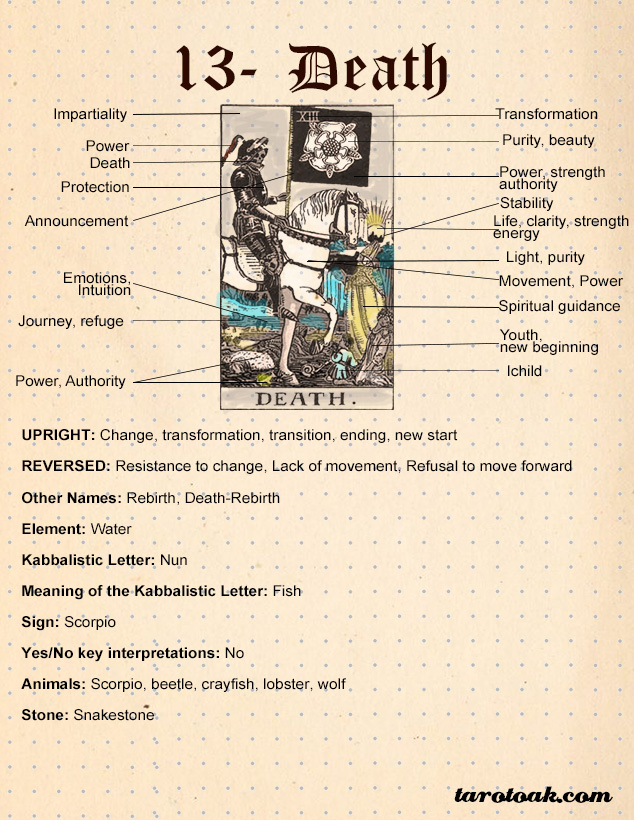
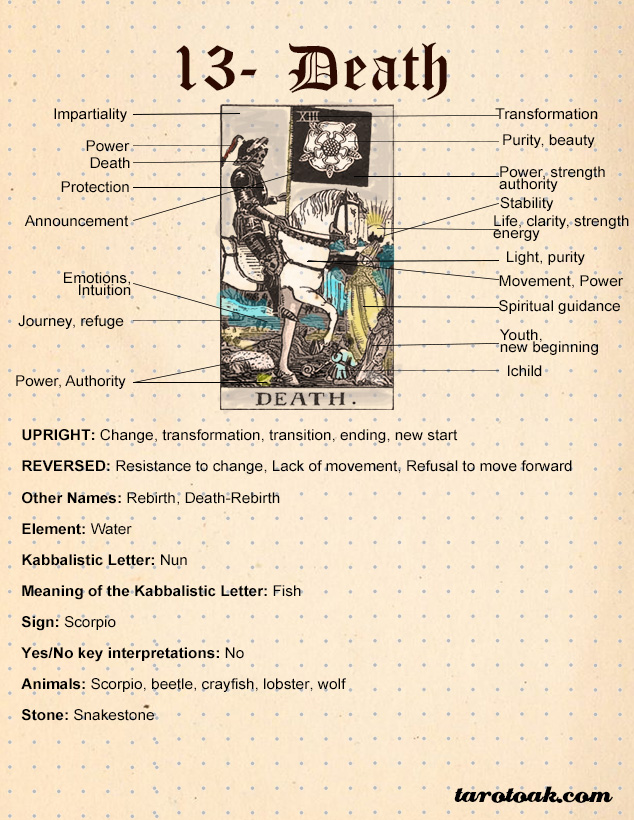
The Death tarot card, often numbered XIII in the Major Arcana, is one of the most misunderstood cards in the deck. Contrary to popular belief, it rarely signifies physical death. Instead, it represents transformation, change, and the end of a cycle. The imagery on the card typically depicts a skeletal figure on horseback, often holding a flag or banner, riding through a landscape of decay and rebirth. This figure symbolizes the inevitability of change and the natural progression of life.
The presence of a flag on the Death card is particularly significant. Flags have long been symbols of authority, identity, and victory. In the context of the Death card, the flag represents the triumph that follows endings. It suggests that what may seem like an ending is, in reality, a necessary step toward renewal and growth. The flag’s design—whether it features a white rose, a black banner, or other motifs—can vary depending on the tarot deck, but its core message remains consistent: death is not an end, but a transition to something greater.
Historical Origins of the Flag in Tarot Imagery
The use of flags in tarot imagery dates back to the earliest known tarot decks, such as the Rider-Waite-Smith deck, where the Death card features a black flag adorned with a white rose. This imagery draws from medieval and Renaissance symbolism, where flags were used to convey messages of power and sovereignty. The white rose on the flag is particularly meaningful—it represents purity, innocence, and the promise of new beginnings. In alchemical traditions, the white rose is also associated with the philosopher’s stone, symbolizing spiritual transformation.
Other decks, such as the Thoth tarot, interpret the flag differently. In Aleister Crowley’s Thoth deck, the Death card’s flag is black with a golden sun, symbolizing the rebirth of the soul and the illumination that follows darkness. This variation highlights how the flag’s meaning can adapt to different cultural and spiritual contexts, yet its core theme of victory after endings remains intact.
Interpreting the Flag’s Design Across Different Decks
The design of the flag on the Death card can vary widely across tarot decks, each offering unique insights into its symbolism. Below are some of the most notable interpretations:
Rider-Waite-Smith Deck
In the Rider-Waite-Smith deck, the Death card’s flag is black with a white rose. This design emphasizes the duality of endings and beginnings. The black flag represents the unknown and the mystery of death, while the white rose signifies purity and the potential for renewal. Together, they suggest that even in the darkest moments, there is hope for a fresh start.
Thoth Tarot Deck
The Thoth tarot deck, created by Aleister Crowley and Lady Frieda Harris, presents the Death card with a black flag bearing a golden sun. This imagery reflects Crowley’s esoteric beliefs, where the sun symbolizes the awakening of the higher self and the triumph of the spirit over material constraints. The golden sun on the flag suggests that the transformation represented by the Death card is not just physical but spiritual, leading to enlightenment.
Modern and Alternative Decks
Contemporary tarot decks often reinterpret the flag on the Death card to reflect modern themes. For example, some decks feature a flag with a phoenix, symbolizing resurrection and the ability to rise from ashes. Others may use abstract designs or vibrant colors to convey the idea that endings are merely preludes to new adventures. These variations remind us that the Death card’s message is universal, yet its expression can be deeply personal.
The Flag as a Symbol of Victory After Endings
The most profound meaning of the flag on the Death card is its representation of victory after endings. The flag is not just a decorative element; it is a declaration that what appears to be a loss is, in fact, a step toward something greater. This theme resonates with the concept of creative destruction, where the collapse of old structures paves the way for innovation and growth.
Consider the following scenarios where the Death card’s flag might appear in a reading:
- Career Changes: If you draw the Death card in a career context, the flag signals the end of a job or phase that no longer serves you. The victory comes in the form of new opportunities that align with your true purpose.
- Relationships: In matters of the heart, the Death card may indicate the end of a relationship that has run its course. The flag reassures you that this ending is necessary for your personal growth and that a more fulfilling connection awaits.
- Personal Growth: The Death card often appears when you’re on the cusp of a major transformation, such as overcoming a fear or breaking free from limiting beliefs. The flag symbolizes your triumph over these challenges.
By embracing the message of the flag, you can shift your perspective from fear to acceptance, recognizing that endings are not to be mourned but celebrated as gateways to new beginnings.
How to Work with the Death Card’s Energy in Readings
If the Death card appears in your tarot spread, especially with a prominent flag, it’s an invitation to reflect on the cycles of change in your life. Here’s how you can work with its energy:
- Embrace Change: Resisting transformation only prolongs the process. Instead, ask yourself what aspects of your life are ready to be released. The flag on the Death card reminds you that surrendering to change is the first step toward victory.
- Seek Symbolic Renewal: Engage in rituals or practices that honor endings and new beginnings, such as journaling, meditation, or creating a vision board for your future. The flag’s presence in the card suggests that these acts of intention-setting are powerful tools for manifestation.
- Trust the Process: The Death card teaches patience and faith in the unknown. The flag is a beacon of hope, signaling that even when the path ahead is unclear, you are being guided toward a brighter future.
Common Misconceptions About the Death Card
Despite its positive message, the Death card is often shrouded in fear and misunderstanding. Here are some common misconceptions and the truths behind them:
- Misconception: The Death card means someone will die.
Truth: The Death card is rarely about physical death. It’s about metaphorical endings—relationships, jobs, old habits, or belief systems that no longer serve you. - Misconception: The Death card is always negative.
Truth: While the card can indicate upheaval, it is ultimately a card of liberation and renewal. The flag on the card is a symbol of triumph, not despair. - Misconception: You should avoid the Death card in readings.
Truth: The Death card is one of the most honest cards in the deck. It doesn’t sugarcoat reality but offers a clear path forward. Embracing its message can lead to profound personal growth.
Conclusion
The flag on the Death tarot card is a powerful symbol of victory after endings. It reminds us that what may seem like a loss is often the precursor to a greater transformation. Whether the flag features a white rose, a golden sun, or another motif, its core message remains the same: endings are not the end, but the beginning of something new.
By understanding the symbolism of the flag, you can approach the Death card with clarity and confidence. It’s not a card to fear, but one to embrace—a herald of change, renewal, and the triumph that follows letting go. Next time the Death card appears in your reading, look to the flag. It’s waving you toward a brighter, more authentic future.
FAQ
What is the meaning of the flag on the Death tarot card?
The flag represents victory after endings and the transformative power of change.
Is the Death tarot card a sign of literal death?
No, it metaphorically signifies endings and new beginnings rather than physical death.
What does the white rose on the Death card's flag symbolize?
It symbolizes purity, innocence, and the promise of renewal.
How does the Thoth deck depict the flag on the Death card?
The Thoth deck features a black flag with a golden sun, symbolizing spiritual rebirth and enlightenment.
How should I approach the Death card in readings?
Embrace change, honor endings and new beginnings, and trust the process of transformation.
Leave a Reply