Short Answer
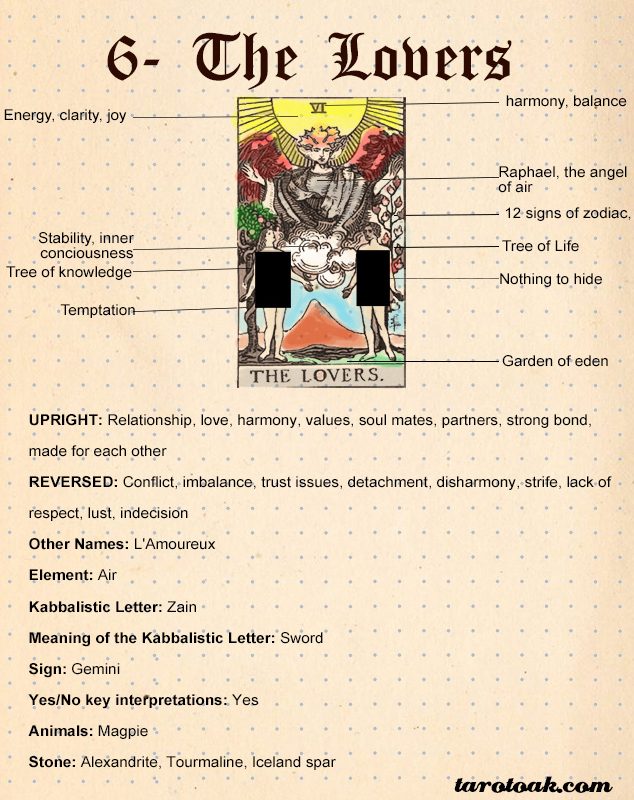
The Lovers tarot card, often depicted as a harmonious union between two figures, is not merely an emblem of romantic love but also a profound symbol resonating with Christian theological concepts. At first glance, the imagery might evoke thoughts of fleeting passions, yet a deeper examination reveals valuable insights about relationships, divine love, and moral choice.
To grasp the complexities of The Lovers card within a Christian framework, one must first contemplate the inherent dualities represented—love and temptation, union and estrangement. In the Bible, the narrative of Adam and Eve in the Garden of Eden mirrors this very dichotomy. Their bond was one of divine unity, yet it was also fraught with the potential for disobedience and sin. The Lovers card invites us to reflect on how love can provide both redemption and peril.
Christian doctrine emphasizes that love is central to God’s nature. The Apostle John writes that “God is love” (1 John 4:8), reinforcing that love is not merely an emotion but a divine attribute. The Lovers card, with its interconnected figures, encapsulates this notion—it’s a reminder that true love, rooted in faith, transcends mere physical attraction and is anchored in mutual respect and moral integrity.
Moreover, The Lovers card often brings to the forefront themes of choice and free will. This echoes the Christian belief that humanity is endowed with the ability to choose between good and evil. In the context of relationships, this card serves as a poignant reminder that every connection should be nurtured with conscious decision-making. The act of choosing to love, to forgive, and to remain committed is emblematic of Christ’s sacrificial love for humanity.
At the heart of Christian teachings is the principle of covenant love—a binding promise that echoes throughout the Scriptures. This is strikingly illustrated in representations of marriages, where two individuals enter into a sacred agreement before God. The Lovers card can thus be seen as a spiritual representation of such covenants, urging believers not only to seek romantic fulfillment but also to foster enduring commitments that mirror divine intentions. In this light, the card signifies not just the celebration of love but the solemnity of choice that accompanies it.
Exploring the visual elements of The Lovers card further enhances its meaning from a Christian perspective. Traditionally, the figures are often depicted with angelic presences, suggesting divine oversight in matters of love and choice. This presence evokes the Holy Spirit, the counselor who guides faith-filled individuals in their journey of mutual understanding and respect. The card’s background often includes lush landscapes, suggesting that love flourishes in environments of grace and spiritual richness, echoing the biblical theme of God’s creation as inherently good.
However, it is crucial to address the challenges that accompany love, as depicted in The Lovers card. While the card embodies harmony, it also nudges us to acknowledge the vulnerabilities and trials that relationships often endure. In Christian theology, suffering is a reality of the human condition. The trials faced in love—be they the temptations of infidelity, misunderstandings, or personal shortcomings—serve to refine and deepen relationships, much as tribulations in faith are meant to strengthen one’s reliance on God.
Furthermore, the concept of reconciliation is another salient aspect encapsulated within The Lovers card. Just as the Christian faith emphasizes redemption and the possibility of forgiveness, the tarot card reminds individuals that even love-strained relationships can be rejuvenated. Biblical stories, such as that of Hosea and Gomer, illuminate how love can persist through adversity and moral failing, ultimately leading to restoration and revival. The Lovers card, therefore, embodies hope—a reminder that destructive paths may be transformed into avenues of grace and renewed connection.
The symbolism of choice also implicates the moral dimensions of relationships. In Christian belief, love is tied to action; it requires societal responsibility and adherence to ethical standards. Engaging in relationships with integrity is paramount, reinforcing the idea that The Lovers card denotes commitments not only to one another but also to God’s commands. This ethical lens challenges individuals to introspectively analyze their relationships, ensuring they align with Christ’s teachings of love, compassion, and forgiveness.
As society evolves, the allure surrounding The Lovers card persists. Its invitation to connect with both transcendent and earthly love resonates particularly in a modern context, where relational dynamics can often be ephemeral or superficial. Whether viewed as a guide in understanding personal relationships or a call to deepen one’s commitment to divine love, its implications are substantial. Christian teachings suggest that those who seek to embody the spirit of The Lovers card must reflect Christ’s love—unconditional, sacrificial, and redemptive.
In conclusion, The Lovers tarot card serves as more than a mere symbol of romantic allure. Through a Christian lens, it unfolds a tapestry of divine affection, the interplay of choice, and the profound depth of covenant relationships. By navigating love with vigilance, integrity, and grace, individuals can harness the enlightening essence of this card, ultimately fostering connections that transcend the ordinary and reflect the beauty of divine love in action.
FAQ
What is the primary meaning of The Lovers tarot card?
The Lovers card primarily represents love, union, and the significant choices involved in relationships, both spiritual and earthly.
How does The Lovers card connect with Christian theology?
It connects through themes of divine love, covenant relationships, free will, and moral responsibility as reflected in biblical narratives and teachings.
What should one consider when The Lovers card appears in a reading?
One should consider the importance of conscious choice, commitment, integrity, and spiritual alignment in their relationships.
Can The Lovers card represent challenges in relationships?
Yes, it acknowledges trials like temptation and misunderstanding as opportunities for growth and deeper commitment.
Leave a Reply