Short Answer
In the realm of spiritual exploration, tarot cards often evoke a spectrum of interpretations, especially when examining the implications of upside-down cards. This analysis focuses on the intricate relationship between the reversal of tarot cards and the Christian perspective. Within Christianity, the symbolism of the tarot intertwines with scriptural themes, dilemmas of faith, and moral teachings, establishing a fascinating confluence of ancient wisdom and contemporary spiritual practices.
When a tarot card appears upside down, known as ‘reversed’ in tarot parlance, its meaning transforms significantly from its upright counterpart. This alteration ignites curiosity, particularly in the context of Christian beliefs, where the concepts of sin, redemption, and divine guidance permeate discussions of morality and life decisions. An upside-down tarot card often symbolizes a disruption or an imbalance, provoking deeper introspection about one’s spiritual path.
At the heart of this discourse lies the observation that many individuals are drawn to tarot not merely for fortune-telling but as a tool for self-examination and psychological insight. In Christianity, self-reflection is paramount, as believers are encouraged to assess their actions and motives in light of scripture. The duality of the upright and reversed meanings of tarot cards mirrors the struggle between sin and redemption—a central theme in Christian theology.
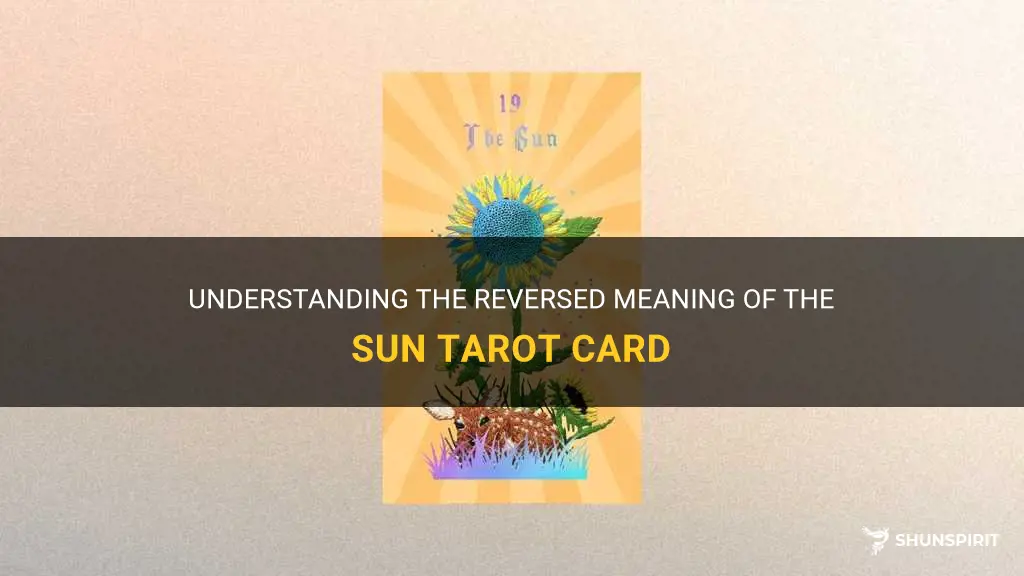
Moreover, the nuanced significance of reversed cards can illuminate the darker aspects of human experience, which are frequently addressed in Christian teachings. For instance, the Sun card, when inverted, might signify a loss of joy, a lack of clarity, or feelings of hopelessness. This resonates with Christians who grapple with despair. The understanding that moments of darkness are part of a larger narrative of faith can provide solace. In Christianity, trials create the backdrop for personal growth and ultimately lead to divine enlightenment.
Similarly, the Wheel of Fortune card, when reversed, can represent misfortune or a feeling of being out of control. From a Christian standpoint, this can be seen as an opportunity to lean into faith and divine providence during tumultuous times. The notion that God has a plan reinforces the belief that even adverse circumstances can be reinterpreted as a divine invitation to strengthen one’s faith. It encourages believers to trust that hardships have meaning and can propel them toward greater spiritual awareness.
In addition to personal reflection, the examination of reversed tarot cards might hint at collective human experiences that resonate with broader societal issues. For instance, social injustices, brokenness, and moral decay are often metaphorically illustrated through the imagery of reversed cards. In this way, the fascination with tarot can unearth deeper questions about community, compassion, and the Christian call to serve others. Just as the Reversed Judgment card can symbolize a time of self-examination, it may also reflect the need for societal introspection regarding ethical practices and communal responsibility.
The reversed meaning of tarot cards can act as a spiritual heuristic, prompting individuals to confront suppressed feelings or unresolved conflicts. This appropriation fits well within the Christian paradigm, where confession and reconciliation are integral elements of faith. In recognizing the significance of shadows cast by our decisions—be they personal failings or societal sins—individuals can strive towards absolution and wholeness, reminiscent of the transformative journey delineated in the gospels.
Intriguingly, this intermingling of tarot and Christian ethos also alludes to the concept of free will, a fundamental tenet of Christian doctrine. Each reversed card commands attention, suggesting that while the divine may influence paths, the final decisions rest with individuals. This autonomy empowers believers to explore their spirituality, engage with their faith critically, and partake in a journey characterized by both uncertainty and divine guidance. It advocates for discernment, urging practitioners to seek wisdom amidst confusion, much like one would in prayerful contemplation.
Furthermore, this exploration can elucidate the tendency within Christian traditions to regard certain spiritual tools with skepticism. Some may argue that tarot cards contradict fundamental beliefs, with the fear of divination leading to dismissal. Conversely, the appreciation of reversed meanings invites young believers to approach these practices as avenues for deeper comprehension of their spirituality rather than outright condemnation. By listening to their internal conflicts and the lessons that arise from them, individuals can facilitate personal growth without negating their Christian faith.
In conclusion, the examination of upside-down tarot cards through a Christian prism reveals an intricate tapestry of meaning that encourages self-reflection, societal awareness, and spiritual exploration. This fascination stems not merely from the mystical allure of tarot but from a profound desire to reconcile the entirety of human experience with the teachings of Christianity. Through this lens, reversed cards become more than mere symbols of chaos; they invite believers to delve into the recesses of their souls, confronting shadows while simultaneously seeking the illuminating grace found in faith. Ultimately, the dialogue between tarot and Christianity highlights the shared journey of seeking wisdom, redemption, and a deeper understanding of life’s mysteries.
FAQ
What does an upside-down tarot card signify?
It signifies a reversed meaning that can indicate obstacles, delays, or a need to reconsider a situation.
How are reversed tarot cards interpreted in Christianity?
They are seen as symbols of spiritual challenges and calls for repentance, reflection, and faith.
Why do some Christians view tarot cards skeptically?
Because tarot is sometimes associated with divination, which contradicts certain Christian beliefs against fortune-telling.
Can reversed tarot cards help with personal growth?
Yes, by encouraging introspection and confrontation of inner conflicts, they can facilitate spiritual and psychological growth.
Leave a Reply