Short Answer
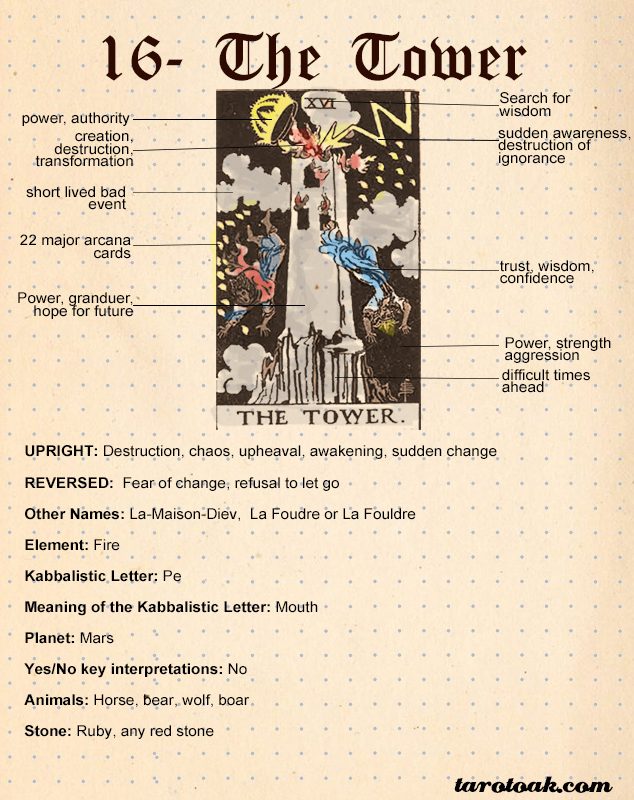
The Tower Tarot card, known as Xvi in Roman numerals, evokes a multitude of interpretations. Upon first glance, it often inspires feelings of foreboding, chaos, and destruction. However, when considered through a Christian lens, the Tower offers profound insights into personal transformation, divine intervention, and the power of renewal through trials. In this article, we will delve into the multifaceted meanings of the Tower, its implications for faith, and how it can prompt a transformative shift in perspective.
The imagery of the Tower card features a tall, ominous structure struck by a bolt of lightning, flames erupting from its windows, and figures plummeting from its heights. In Christian theology, this imagery can symbolize the fragility of human constructs and the idea that our earthly pursuits may collapse under the weight of divine truth. The Tower epitomizes the realm of human arrogance and pride, illustrating the consequences of straying from the path of righteousness.
One fundamental meaning of the Tower within a Christian perspective is the promise of radical change. In the Bible, transformation is a recurring theme. For example, the story of Saul’s conversion on the road to Damascus is marked by a dramatic upheaval that leads to a new identity as Paul, a foundational figure in Christianity. This narrative resonates deeply with the Tower card’s essence, suggesting that turmoil can engender newfound clarity and purpose. Just as Saul underwent a complete metamorphosis, the Tower invites believers to recognize that upheaval often paves the way for divine revelation.
The Tower serves as a reminder that God often works in unforeseen ways. The chaos and destruction depicted in the card can represent the purging of outdated beliefs and behaviors that no longer serve one’s spiritual journey. For Christians, this can evoke the idea of God initiating a process of sanctification, wherein believers are called to shed earthly attachments in favor of a more profound relationship with the Divine. This theme harkens back to the biblical notion of being “refined by fire,” as stated in 1 Peter 1:7; the trials faced may not be pleasant, but they hold intrinsic value in fortifying one’s faith.
Moreover, the psychological aspect of the Tower card cannot be overlooked. It encapsulates the moment when individuals confront their innermost fears and insecurities. In Christianity, facing one’s demons can lead to catharsis, ultimately yielding strength and resilience. It is within the wreckage that the seeds of hope germinate. The conscious acknowledgment of one’s vulnerabilities encourages a reliance on God’s grace, driving believers to seek solace in scripture and prayer during tumultuous times.
The dynamic of destruction and subsequent construction also finds resonance in the biblical narrative surrounding the Babylonian Exile. The fall of Jerusalem and the subsequent dispersal of the Israelites highlight the reality that not all hope is lost during devastation. God’s promise of restoration is woven throughout this history, reminding believers that every ending presents an opportunity for a new beginning. The Tower, thus, manifests as a harbinger of change heralding divine promise, illuminating the path toward spiritual rebirth.
Notably, the Tower card elicits an invitation to scrutinize the foundations of one’s faith structure. Christianity encourages believers to base their lives upon the solid rock of Christ (Matthew 7:24-27). When the Tower appears, it may be an opportunity to assess whether one’s faith practices are deeply rooted. Perhaps this card prompts introspection, encouraging individuals to ask themselves if their relationship with God has become complacent or superficial. This endeavor can spark genuine renewal in the spiritual journey, prompting a return to fervent faith and practice.
Within the context of community, the Tower symbolizes the collective upheaval that can catalyze community transformation. Just as the Tower crashes down, it can stimulate conversations about faith, resilience, and rebuilding together. From a Christian perspective, this can parallel the story of the early Church, emerging from persecution and adversity, fostering vibrant faith communities. This communal aspect emphasizes unity amid chaos and showcases how God orchestrates unforeseen opportunities for communal growth and healing.
Furthermore, the Tower card invites curiosity about the unknown paths before us. Life is inherently unpredictable, and the illusions of security may disintegrate with little warning. Christ’s teachings resonate with this unpredictability, as He often emphasized the need for vigilance and preparedness. The Tower serves as a reminder that faith must be an active pursuit—one that embraces the unexpected as an opportunity for spiritual exploration. This notion cultivates a mindset of curiosity about what lies beyond the horizon; believers are called to remain open to divine guidance, even amidst the debris of loss and struggle.
In summary, while the Tower Tarot card may initially invoke feelings of dread and chaos, its deeper meanings unveil a tapestry of hope, transformation, and divine intervention. For Christians, it offers an invitation to embrace the journey of faith with resilience, promoting introspection and community support amidst trials. As believers navigate their spiritual paths, the Tower suggests that every collapse can yield renewal, challenging individuals to realign with God’s purpose and allowing for profound change to emerge from the ashes of despair. Thus, the Tower serves not merely as a warning but as a beacon of illumination, inviting believers to trust in God’s ultimate promise of renewal and restoration.
FAQ
What does The Tower Tarot card generally symbolize?
The Tower card generally symbolizes sudden change, upheaval, destruction, and transformation leading to new insights and growth.
How is The Tower interpreted from a Christian perspective?
From a Christian perspective, The Tower represents divine intervention, spiritual purification, and renewal through trials and challenges.
What is the significance of The Tower’s imagery?
The imagery of lightning striking a tower and people falling depicts the collapse of false beliefs or pride, encouraging rebuilding on a stronger spiritual foundation.
How can The Tower card influence personal faith journeys?
It encourages believers to embrace transformation and upheaval as opportunities for deeper faith, introspection, and reliance on God's grace.
Does The Tower have meaning for community or collective faith?
Yes, it symbolizes communal challenges that foster growth, resilience, and stronger faith communities, reflecting early Church experiences.
Leave a Reply