Short Answer
The Devil card in Tarot, often adorned with striking imagery of a horned figure, inevitably sparks intrigue and unease. In the Christian perspective, this card’s significance oscillates between the realms of spirituality and morality, symbolizing not merely evil but also the complexities of the human condition. The dualities represented by the Devil card illuminate how individuals grapple with their inner demons. This exploration of the card reveals a deeper understanding of temptation, materialism, and personal liberation within a spiritual framework.
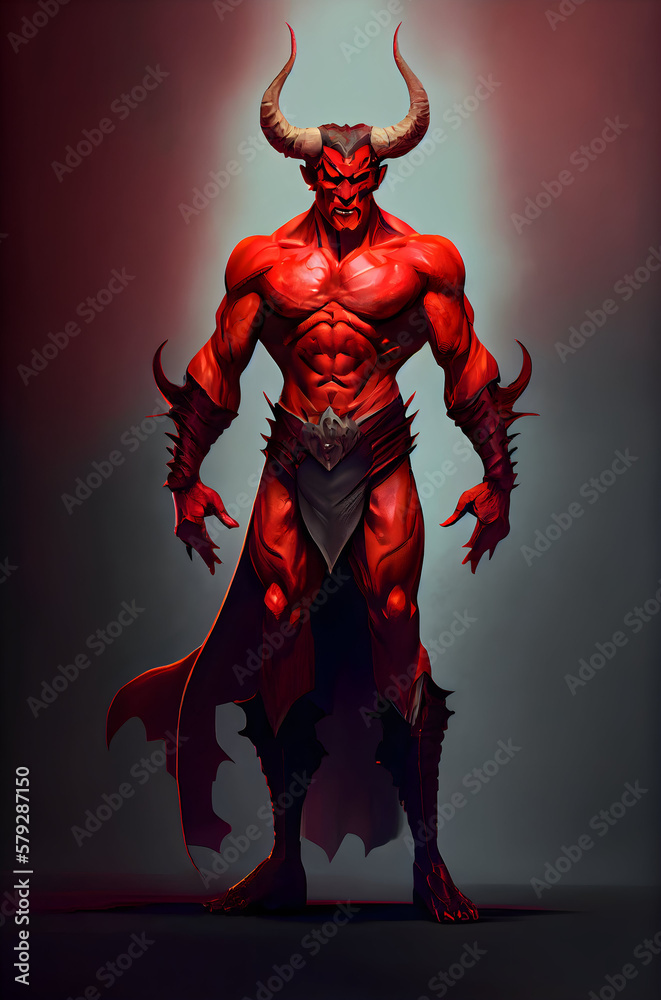
At the forefront of any discussion surrounding the Devil card is the immediate recognition of its ethereal connections to sin and temptation. In Christianity, sin is often viewed as the fundamental separation from divine grace. The imagery associated with the Devil card—commonly depicting a goat-headed being—aligns with the biblical tradition, where such figures personify rebellion against divine law. This connection instills an instinctive fear and reverence, drawing attention to the moral repercussions of human choices. A deeper fascination arises from the card’s capacity to embody both darkness and enlightenment, revealing the inherent paradox of human nature.
The alluring mystique of the Devil card often emerges from its ability to resonate with our deepest fears and desires. Within a Christian framework, temptation is not simply a simple lure to sin but a profound challenge that beckons individuals to confront their weaknesses. The Devil embodies those subconscious aspects of ourselves that we may wish to ignore: addiction, greed, and obsession. Through the lens of the Tarot, these traits, while labeled as sinful in traditional Christian theology, become opportunities for growth and self-awareness.
Furthermore, the education provided by the Devil card extends beyond individual temptation, embedding itself in societal structures. Modern interpretations often emphasize materialism and the pursuit of excess, highlighting how these worldly desires can distract from spiritual aspirations. In a society inundated with consumerism and superficial values, the Devil card creatively signifies this struggle against societal pressures. Acknowledging its presence serves as a reminder of the need to focus on spiritual fulfillment, rather than ephemeral pleasures. This dynamic critique encourages a re-evaluation of priorities, invoking a necessary conversation regarding the balance between earthly existence and divine connection.
Moreover, the Christian understanding of the Devil card embodies the direct confrontation of fear and ignorance. For many believers, acknowledging evil is a form of resistance; it allows individuals to fortify their faith against darkness. Through the examination of one’s own shortcomings, Christians are propelled toward introspection and ultimately, redemption. The Devil card challenges adherents to delve deeper into their lives, to discern the motivations that drive them, and to emerge with enhanced spiritual resilience.
Clearly, the lesson here transcends a mere cautionary tale about morality. The Devil card also encapsulates the narrative of bondage and liberation. Much akin to the biblical stories of temptation faced by figures like Adam and Eve, the card serves as a transformative force encouraging believers to subvert their own limitations. It emphasizes that recognizing one’s own chains—be they self-imposed restriction or societal expectation—is the first step toward transcendence. Struggling under the weight of sin, individuals can ultimately find liberation through acknowledgment and faith, thus shifting the narrative from despair to hope.
In the context of spiritual practices, the presence of the Devil card in a reading invites not only acknowledgment of what binds us but also a profound opportunity for healing. It emphasizes that each individual can choose liberation over stagnation, reframing the experience of temptation into one of empowered choice. By confronting the aspects of life that resonate with the Devil card, individuals can ignite a path toward authenticity and genuine fulfillment. Thus, what may initially seem terrifying transforms into deeply meaningful guidance.
Interestingly, the interplay between the fear that the Devil card elicits and the hope it offers provokes further contemplation about the nature of humanity. Through the lens of Christian theology, the existence of evil serves to highlight the beauty of grace and redemption. Without the representation of the devilish, the influence of goodness could remain abstract or untested. In essence, the dichotomy of good and evil within the card challenges believers to embrace their own struggles, acknowledge their humanity, and foster a deeper connection with the divine.
In summation, the Devil card transcends its initial impression as an ominous figure of evil; instead, it emerges as a profound symbol of human complexity and spiritual reflection. Within the Christian perspective, it invites dialogue about temptation and righteousness, societal pitfalls, and personal liberation. Recognizing the lessons embedded within this card can serve as a catalyst for growth, understanding, and ultimately, a confrontation of the darker facets of our existence. As individuals navigate their unique paths, the symbolism of the Devil card persists as a poignant reminder: even from the depths of temptation, there lies the potential for redemption and enlightenment.
FAQ
What does the Devil card symbolize in Tarot?
The Devil card symbolizes temptation, bondage, materialism, and the darker aspects of human nature, but also offers opportunities for awareness and liberation.
Is the Devil card always a negative omen?
Not necessarily; while it often indicates challenges like addiction or obsession, it also encourages self-reflection and spiritual growth.
How does the Christian perspective influence the interpretation of the Devil card?
From a Christian viewpoint, the Devil card relates to sin, rebellion against divine law, and the struggle between good and evil, emphasizing redemption and faith.
Can the Devil card indicate societal issues?
Yes, it can highlight societal problems such as materialism and consumerism that distract from spiritual fulfillment.
Leave a Reply