Short Answer
The Celtic Cross is one of the most iconic and widely used tarot spreads, revered for its depth and versatility. Whether you’re a beginner or an experienced reader, understanding the meaning of each position in this 10-card layout can unlock profound insights into a querent’s situation. In this guide, we’ll break down every position in the Celtic Cross, explain its significance, and explore why this spread continues to captivate tarot enthusiasts worldwide. By the end, you’ll have a clear roadmap for interpreting the cards in a way that reveals hidden layers of meaning.
The Significance of the Celtic Cross Spread
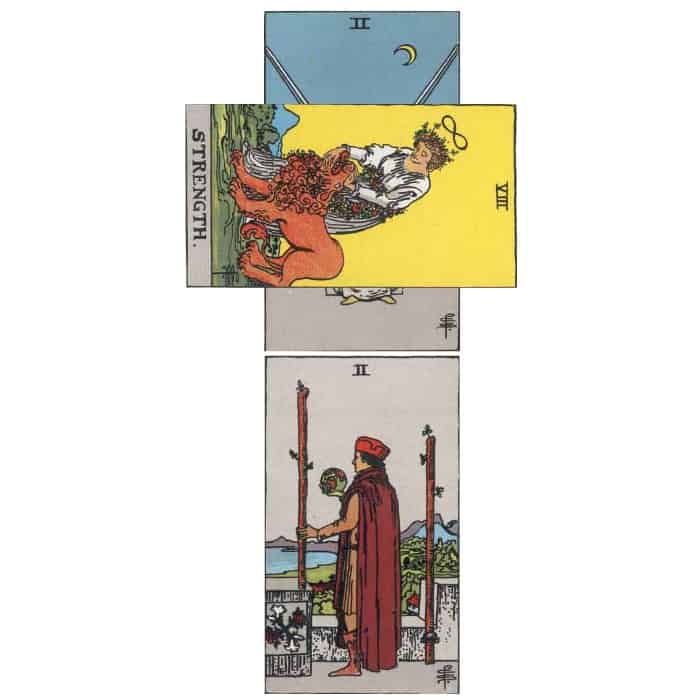
The Celtic Cross is more than just a random arrangement of cards—it’s a structured narrative that mirrors the complexities of life. Unlike simpler spreads, it doesn’t just ask “what” is happening; it delves into the “why” and “how.” This depth is why it remains a favorite among tarot readers. The spread typically represents a central issue (the present) surrounded by influences that shape the querent’s journey. Each position acts as a lens, offering a different perspective on the situation at hand. The beauty of the Celtic Cross lies in its ability to weave together past, present, and future influences, as well as external and internal factors, creating a holistic view of the querent’s life.
Position 1: The Present Situation
The first card represents the core issue or the current state of the querent’s life. This is the foundation upon which the rest of the spread is built. It answers the fundamental question: “What is the main challenge or opportunity right now?” For example, if the card is The Tower, it may indicate sudden upheaval or a revelation. If it’s The Empress, it could signify abundance or nurturing energy. The key here is to focus on the immediate reality without overcomplicating it. This position sets the tone for the entire reading, so take your time interpreting it.

Position 2: The Challenge or Obstacle
This card reveals the primary obstacle or hidden influence affecting the querent. It’s not just about external barriers—it could also point to internal struggles like self-doubt or fear. For instance, if Position 1 shows a positive card like The Sun, but Position 2 reveals Five of Swords, it suggests that despite optimism, there may be conflict or betrayal lurking. This position often highlights what the querent needs to overcome or address to move forward. Pay attention to whether the challenge is emotional, mental, or situational.
Position 3: The Past Influence
Here, the card reflects past events or experiences that have shaped the current situation. It answers: “What led to this moment?” For example, if the card is Three of Cups, it might indicate a time of celebration or connection that still influences the querent. Conversely, if it’s Ten of Swords, it could point to a painful ending that’s still casting a shadow. Understanding the past helps contextualize the present and reveals patterns that may repeat if unaddressed. This position often holds clues about recurring themes in the querent’s life.
Position 4: The Subconscious or Hidden Influences
This card delves into the unconscious mind, revealing fears, desires, or motivations that aren’t immediately obvious. It’s often the most revealing position because it uncovers what the querent might be avoiding or suppressing. For example, if the card is The Moon, it could indicate confusion, illusion, or a need to trust intuition. If it’s Knight of Wands, it might suggest repressed ambition or a desire for change. This position is about peeling back layers to understand the deeper forces at play.
Position 5: The Conscious Mind or Near Future
Unlike the past position, this card represents the querent’s immediate future or their conscious thoughts and intentions. It answers: “What is the querent focusing on right now?” For instance, if the card is Eight of Pentacles, it may show a period of learning or skill-building. If it’s The Star, it could indicate hope and alignment with one’s higher self. This position often reflects the querent’s goals or the direction they’re actively pursuing. It’s a snapshot of where their mind is heading next.
Position 6: The Near Future or Immediate Outcome
This card offers a glimpse into what’s likely to unfold in the near term, based on current energies. It’s not set in stone but provides a probable trajectory. For example, if Position 5 shows The Chariot (determination), but Position 6 reveals The Hanged Man (surrender), it suggests that the querent’s plans may need to adapt or pause. This position helps the querent prepare for what’s coming, whether it’s a challenge or an opportunity. It’s a bridge between the present and the more distant future.
Position 7: The Querent’s Self-Perception
Here, the card reveals how the querent views themselves in relation to the situation. It’s a mirror to their inner world. For example, if the card is The Hermit, the querent may see themselves as introspective or seeking solitude. If it’s The Empress, they might view themselves as nurturing or abundant. This position is crucial because it highlights self-perception biases—whether the querent is being too hard on themselves or overly optimistic. It often contrasts with how others see them (Position 8).
Position 8: The External Influences or Others’ Perceptions
This card represents how others perceive the querent or the external forces acting upon them. It could be societal expectations, family opinions, or the influence of a significant person in their life. For instance, if the card is The Emperor, it might indicate a figure of authority or structure influencing the situation. If it’s The Fool, it could suggest that others see the querent as naive or free-spirited. This position helps the querent understand how their actions are perceived by the outside world.

Position 9: The Hopes or Fears
This card embodies the querent’s deepest hopes or fears regarding the situation. It’s a raw, unfiltered look at their emotional state. For example, if the card is Ten of Cups, it may reflect a hope for harmony or family bliss. If it’s The Tower, it could reveal a fear of collapse or chaos. This position is often the most emotionally charged, as it taps into the querent’s subconscious desires and anxieties. It’s a powerful indicator of what truly matters to them.
Position 10: The Final Outcome or Ultimate Resolution
The last card in the Celtic Cross represents the potential long-term outcome if the current trajectory continues. It’s not a guaranteed future but a likely one based on the energies at play. For example, if the spread shows a mix of challenges and growth, the outcome might be The World—a sense of completion and fulfillment. If the cards are predominantly negative, it could indicate The Ten of Swords—a painful but necessary ending. This position encourages the querent to reflect on their choices and how they might shape the future.
Why the Celtic Cross Fascinates Us
The enduring appeal of the Celtic Cross lies in its ability to mirror life’s complexities. Unlike simpler spreads, it doesn’t offer easy answers—it invites introspection and nuance. The way the positions interact reveals hidden connections and patterns, making each reading a unique story. There’s also a sense of mystery to the Celtic Cross; even experienced readers find new layers of meaning with each use. It’s a tool that grows with the querent, offering deeper insights as their understanding of tarot evolves. This adaptability is why it remains a cornerstone of tarot practice, bridging the gap between the mundane and the mystical.
Conclusion
The Celtic Cross is more than a spread—it’s a journey. By mastering each of the 10 positions, you gain a powerful tool for self-discovery and guidance. Whether you’re reading for yourself or others, this spread offers a comprehensive view of a situation, from past influences to future possibilities. Remember, the Celtic Cross isn’t about predicting a fixed future; it’s about illuminating the path forward with clarity and wisdom. As you practice, you’ll find that the true magic of this spread lies in its ability to reveal not just what’s happening, but why it’s happening—and how to navigate it with intention.
FAQ
What is the Celtic Cross tarot spread?
The Celtic Cross is a 10-card tarot spread used to provide a detailed and layered reading that explores the past, present, future, and various internal and external influences affecting a querent.
How does the Celtic Cross spread differ from simpler tarot spreads?
Unlike simpler spreads, the Celtic Cross offers a structured narrative with positions that reveal the 'why' and 'how' behind a situation, providing a comprehensive and nuanced insight.
Can beginners use the Celtic Cross spread?
Yes, while the Celtic Cross is detailed, it is widely used by both beginners and experienced readers to gain deep insights, though it may require practice to master.
What does position 1 in the Celtic Cross represent?
Position 1 represents the present situation or core issue the querent is facing.
Is the Celtic Cross spread useful for all types of tarot readings?
Yes, its versatility makes it applicable to a wide range of questions and life areas, from personal growth to relationships and career.
Leave a Reply