Short Answer
The Celtic Cross Spread is one of the most iconic and widely used tarot layouts, offering deep insights into life’s challenges, opportunities, and hidden influences. Whether you’re a seasoned reader or a curious beginner, this guide will walk you through the classic 10-card spread, its meanings, and how to interpret the positions with confidence. By the end, you’ll be ready to pose playful questions, navigate potential challenges, and uncover the wisdom your cards hold.
The Celtic Cross Spread: A Timeless Tool for Insight
The Celtic Cross is more than just a tarot spread—it’s a conversation with the universe. Traditionally, it consists of 10 cards arranged in a cross-like pattern, each position revealing a different layer of your question or situation. While the spread can seem complex at first glance, its power lies in its ability to weave together past, present, and future influences, as well as external and internal factors. Think of it as a cosmic map where each card is a landmark guiding you toward clarity.
One of the spread’s greatest strengths is its flexibility. You can use it for any question, from career dilemmas to relationship dynamics, or even to explore your spiritual path. The key is to approach it with an open mind and a willingness to explore the layers beneath the surface. Ready to dive in? Let’s break down each position and its meaning.
Setting Up the Spread: Layout and Card Positions
The Celtic Cross is typically laid out with two overlapping crosses: a vertical cross (the “staff”) and a horizontal cross (the “crossbeam”). The first card (Card 1) is placed in the center, representing the heart of your question. The next two cards (Cards 2 and 3) form the vertical cross, symbolizing the challenge and subconscious influences. The horizontal cross (Cards 4, 5, and 6) adds depth with past, present, and near-future energies. The final four cards (7 through 10) act as external influences, hopes/fears, and the final outcome.
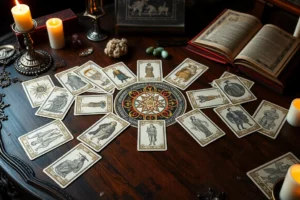
Here’s a quick visual guide to the positions:

Card-by-Card Meanings: Decoding the Celtic Cross
Card 1: The Present Situation
This card is the foundation of your reading. It answers the question, “What is the core issue here?” Pay close attention to its imagery and symbolism, as it sets the tone for the entire spread. For example, if you draw the Three of Cups, it might indicate celebration or social harmony, while the Tower could signal sudden upheaval.
Card 2: The Challenge or Obstacle
This card reveals the primary hurdle standing in your way. It’s not just about obstacles—it’s about understanding what’s blocking your path. If Card 2 is the Five of Pentacles, you might be facing financial or emotional hardship. The challenge here is to recognize it so you can address it.
Card 3: The Subconscious Influences
Hidden fears, desires, or past experiences often lurk beneath the surface. Card 3 shines a light on these unseen forces. For instance, the Eight of Swords might suggest self-imposed limitations, while the Empress could hint at nurturing but overlooked needs.
Card 4: The Past
This card looks back at the events or energies that led to your current situation. It’s not about blame—it’s about understanding how your history shapes your present. The Four of Wands might indicate a joyful past event, while the Ten of Swords could point to a painful ending.
Card 5: The Conscious Mind or Near Future
Here, the spread shifts to your immediate future or how you’re currently perceiving the situation. This card often reflects your thoughts, intentions, or the energy you’re projecting. The Chariot might show determination, while the Page of Cups could suggest emotional openness.
Card 6: The Near Future
This position offers a glimpse into what’s likely to unfold soon. It’s not set in stone—free will and external factors can shift the outcome—but it provides a useful roadmap. The Six of Pentacles might indicate generosity or balance, while the Nine of Swords could warn of anxiety.
Card 7: Your Hopes and/or Fears
This card reveals what you secretly desire or dread. It’s a raw, unfiltered look at your inner world. The Star might reflect hope and inspiration, while the Three of Swords could expose deep-seated fears of heartbreak.
Card 8: External Influences
People, environments, or situations outside your control are highlighted here. This card could represent a mentor (King of Wands), a challenging authority figure (Five of Swords), or even societal pressures (The Hierophant).
Card 9: Guidance or Advice
This is the universe’s way of nudging you toward a solution. It’s not a command—it’s a suggestion. The Hermit might advise introspection, while the Two of Cups could encourage connection and harmony.
Card 10: The Final Outcome
The last card offers a glimpse of where your path might lead if current energies persist. It’s not a definitive answer but a potential trajectory. The World could signal completion and fulfillment, while the Five of Cups might suggest lingering regret.
Posing Playful Questions: Making the Spread Your Own
The Celtic Cross thrives on curiosity. Instead of asking rigid yes/no questions, try framing your inquiry in a way that invites exploration. For example:
- “What’s the hidden lesson in my current career transition?” (Instead of “Will I get the job?”)
- “How can I nurture my relationship with my partner right now?” (Instead of “Are we going to break up?”)
- “What energy should I focus on to manifest my dream project?”
The more open-ended your question, the richer the insights the spread can provide. Remember, tarot is a tool for reflection, not a crystal ball. It’s okay if the cards surprise you—they often reveal what we’re not consciously aware of.
Navigating Challenges: When the Cards Seem Unclear
Even experienced readers encounter spreads that feel confusing or contradictory. If the cards seem overwhelming, take a step back and ask yourself:
- Are there recurring themes? (e.g., multiple Swords cards might point to mental stress.)
- What emotions do the cards evoke? Sometimes the feeling behind the spread is more important than the literal meanings.
- Is there a card that stands out as a “guide”? One card might overshadow the others, offering a clear message.
If you’re still stuck, try shuffling the deck again and re-drawing the cards. Sometimes a second attempt brings fresh clarity. And remember—tarot is a practice, not perfection. The more you work with it, the more intuitive it becomes.
Conclusion: Trusting the Journey
The Celtic Cross Spread is a powerful ally on your spiritual and personal growth journey. It doesn’t just predict the future—it helps you shape it by revealing hidden patterns, challenges, and opportunities. Whether you’re using it for self-reflection or to guide others, the key is to approach it with an open heart and a curious mind.
So, the next time you lay out your cards, ask a playful question, embrace the challenge of interpretation, and let the Celtic Cross be your guide. The answers are there—you just have to listen.
FAQ
What is the Celtic Cross Spread?
The Celtic Cross Spread is a classic tarot layout consisting of 10 cards that reveal different layers of insight about a question or situation.
How do I interpret the positions in the Celtic Cross Spread?
Each position represents a specific aspect such as the present situation, challenges, subconscious influences, past events, near future, hopes and fears, external factors, advice, and final outcome.
Can the Celtic Cross Spread predict the future?
It provides a potential trajectory based on current energies but emphasizes reflection and free will over fixed predictions.
Is the Celtic Cross suitable for beginners?
While it can be complex, beginners can learn it with practice because it offers comprehensive insights into questions.
Leave a Reply