Short Answer
Embark on a journey into the heart of classic tarot deck meanings, where each card serves as a mirror to the soul and a guide to self-discovery. Whether you’re a seasoned reader or a curious beginner, this guide will illuminate the timeless interpretations of the tarot, offering profound insights and transformative perspectives. You’ll explore the Major and Minor Arcana, uncover the symbolism behind each card, and learn how to apply these ancient wisdoms to modern life. Prepare to shift your viewpoint, awaken your intuition, and embrace the curiosity that tarot uniquely inspires.
The Foundation of Classic Tarot: Understanding the Major Arcana
The Major Arcana consists of 22 cards, each representing a significant life lesson or spiritual milestone. These cards are often seen as the “trump” cards, carrying deep symbolic weight and universal themes. From The Fool to The World, the Major Arcana charts a journey of personal growth, challenges, and enlightenment. For instance, The Magician symbolizes manifestation and resourcefulness, while The High Priestess embodies intuition and hidden knowledge. Understanding these cards provides a framework for interpreting life’s grand narratives and personal evolution.
Each Major Arcana card is rich with imagery and allegory. Death, for example, isn’t about literal demise but transformation and rebirth. Similarly, Temperance speaks to balance, moderation, and the alchemy of blending opposites. By studying these cards, you gain a deeper appreciation for the cyclical nature of existence and the lessons embedded in every phase of life.
The Minor Arcana: Daily Life and Practical Wisdom
Comprising 56 cards divided into four suits—Cups, Pentacles, Swords, and Wands—the Minor Arcana reflects the everyday experiences and challenges we encounter. Each suit corresponds to an element and a realm of life: Cups represent emotions and relationships, Pentacles deal with material wealth and practical matters, Swords govern intellect and conflict, and Wands symbolize creativity and passion. Cards like The Three of Cups celebrate joy and camaraderie, while The Five of Pentacles may indicate financial struggle or feeling left out in the cold.
The Minor Arcana cards often provide nuanced guidance for navigating daily decisions. For example, drawing The Ace of Swords might suggest a moment of clarity or a breakthrough in communication, while The Ten of Wands could indicate carrying too much responsibility. By learning to interpret these cards, you develop a toolkit for addressing life’s practical and emotional complexities with greater confidence and insight.
Symbolism and Imagery: Decoding the Visual Language of Tarot
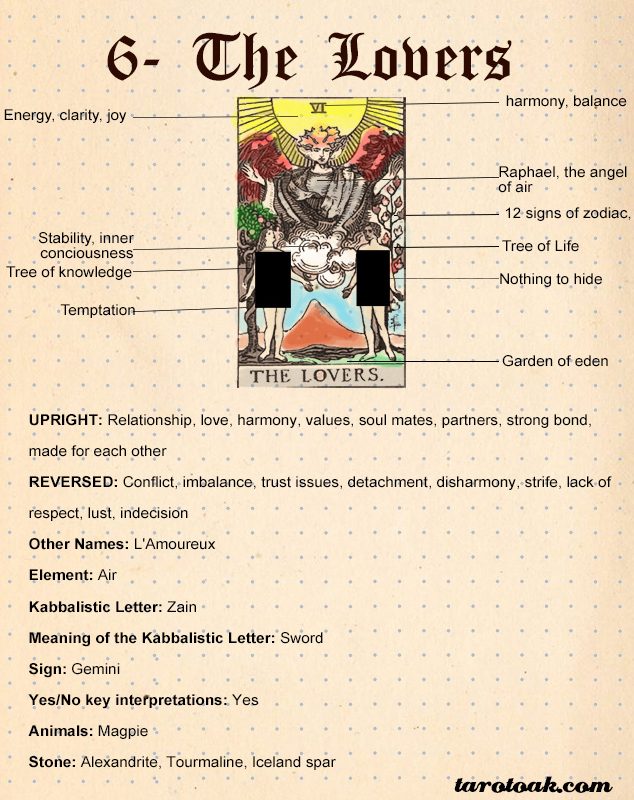
Tarot cards are a visual language, where every color, object, and gesture holds meaning. The imagery often draws from mythology, astrology, and esoteric traditions, creating a tapestry of interconnected symbols. For instance, the Chariot card frequently features a figure riding a chariot pulled by sphinxes or horses, symbolizing determination and the integration of opposing forces. The colors red and blue might represent passion and spirituality, respectively, while a figure’s posture could indicate authority or submission.
Understanding these symbols enhances your ability to read tarot intuitively. For example, the presence of water in a Cups card might amplify themes of emotion and intuition, while a sword pointing downward in a Swords card could suggest a need for introspection rather than confrontation. By studying the visual cues, you train your eye to see beyond the surface and uncover the deeper messages within each spread.
Interpreting Court Cards: Personalities and Archetypes
The Court Cards—Page, Knight, Queen, and King—represent people, personalities, or aspects of yourself. They can signify individuals in your life or qualities you need to embody or develop. For example, the Queen of Cups embodies compassion and emotional depth, while the Knight of Swords may represent impulsive action or a need for decisive thinking. These cards add a layer of complexity to readings, offering insights into relationships, motivations, and inner dynamics.
When a Court Card appears in a spread, consider its suit and rank. A Page of Pentacles might indicate a student or someone with a practical lesson to learn, while a King of Wands could suggest a charismatic leader or a need to embrace your own leadership qualities. By interpreting these cards, you gain a richer understanding of the human experience and the roles we play in our own stories.
Tarot Spreads: Structuring Your Insights
Tarot spreads provide a framework for organizing your interpretations and gaining clarity on specific questions or situations. A simple three-card spread—Past, Present, Future—offers a linear view of a situation, while more complex spreads like the Celtic Cross delve into multiple layers of meaning. Each position in a spread has its own significance, guiding the reader to explore different facets of a question.
For example, a spread focused on career might include positions for obstacles, strengths, and potential outcomes. By placing cards in these positions, you create a narrative that highlights key influences and possible paths forward. Experimenting with different spreads allows you to tailor your readings to your unique needs and deepen your connection to the cards.
Applying Tarot to Modern Life: Practical Insights and Transformations
While tarot is steeped in tradition, its wisdom is profoundly relevant to contemporary challenges. Whether you’re seeking guidance on relationships, career decisions, or personal growth, tarot offers a mirror to reflect on your choices and a compass to navigate uncertainty. For instance, drawing The Star might encourage you to trust in the universe and maintain hope, while The Tower could signal a necessary upheaval leading to growth.
Incorporating tarot into your daily routine can foster mindfulness and self-awareness. Journaling your interpretations or using cards as daily draws can help you stay attuned to your inner voice and the subtle energies around you. By embracing tarot as a tool for reflection, you cultivate a deeper connection to yourself and the world, unlocking new perspectives and opportunities for transformation.
Conclusion
Classic tarot deck meanings offer a timeless gateway to self-discovery and enlightenment. By understanding the Major and Minor Arcana, decoding symbolism, and applying tarot to modern life, you unlock a powerful tool for insight and growth. Whether you’re drawn to the archetypal journey of the Major Arcana or the practical wisdom of the Minor Arcana, tarot invites you to explore the depths of your psyche and the mysteries of existence. Embrace the curiosity it sparks, and let the cards guide you toward a more profound understanding of yourself and the world around you.
FAQ
What is the difference between Major and Minor Arcana cards?
Major Arcana cards represent significant life themes and spiritual lessons, while Minor Arcana cards focus on everyday events and practical matters.
Can tarot cards predict the future?
Tarot is primarily a tool for insight and guidance rather than absolute prediction, helping users understand possible outcomes and personal choices.
How should I interpret reversed tarot cards?
Reversed cards may indicate blocked energies, challenges, or alternative meanings, adding depth to the reading.
Leave a Reply