Short Answer
Embarking on a journey through the world of tarot can feel like stepping into a labyrinth of symbols, archetypes, and hidden wisdom. Whether you’re a complete beginner or an experienced reader looking to deepen your understanding, this guide will walk you through every tarot card meaning—from the foundational basics to the nuanced layers that reveal deeper truths. You’ll uncover the historical roots of the cards, learn how to interpret their imagery, and discover practical ways to apply their messages to your life. By the end, you’ll not only know what each card represents but also why tarot continues to captivate hearts and minds across centuries.
The History and Structure of Tarot: A Foundation for Understanding
Tarot cards trace their origins to 15th-century Europe, where they were initially used as playing cards in games like tarocchi in Italy. It wasn’t until the late 18th century that occultists began associating the cards with divination and esoteric wisdom. The modern tarot deck consists of 78 cards, divided into two main groups: the Major Arcana and the Minor Arcana. The Major Arcana, comprising 22 cards, represents significant life themes and spiritual lessons, while the Minor Arcana, with 56 cards, mirrors the structure of a standard deck of playing cards and addresses everyday experiences. Understanding this structure is essential, as it forms the backbone of tarot interpretation.
Major Arcana: The Soul’s Journey Unveiled
The Major Arcana cards are often seen as the “big picture” of a tarot reading. Each card tells a story, progressing from The Fool’s innocence to The World’s completion. For example, The Magician (Card I) symbolizes manifestation and resourcefulness, while The High Priestess (Card II) represents intuition and hidden knowledge. These cards frequently appear in readings to highlight pivotal moments or spiritual awakenings. To master their meanings, study their numerology, elemental associations, and traditional interpretations. For instance, The Chariot (Card VII) embodies determination and willpower, often appearing when you’re on the verge of a significant achievement.
Minor Arcana: The Details of Daily Life
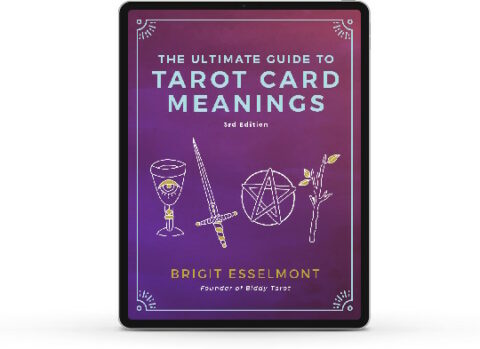
The Minor Arcana is divided into four suits—Cups, Pentacles, Swords, and Wands—each corresponding to an element (Water, Earth, Air, and Fire, respectively). Cups deal with emotions and relationships, Pentacles with material wealth and practical matters, Swords with intellect and conflict, and Wands with creativity and passion. Each suit contains 14 cards: Ace through 10, plus four court cards (Page, Knight, Queen, King). For example, the Three of Cups celebrates friendship and joy, while the Five of Pentacles may indicate financial struggle. Learning to interpret these cards in context—such as their position in a spread or their relationship to surrounding cards—adds depth to your readings.
Court Cards: The Personalities and Energies Within
Court cards can be some of the most challenging to interpret, as they represent people, personality traits, or even situations. The Pages often signify messengers or students, the Knights embody action and movement, the Queens reflect nurturing or receptive energy, and the Kings symbolize authority and mastery. For instance, the Queen of Swords may represent a sharp-witted, independent woman, while the Knight of Wands could indicate a passionate, adventurous spirit. To avoid confusion, consider the card’s suit and rank. A Page of Pentacles might suggest a diligent student or a new opportunity in finances, while a King of Cups could point to emotional maturity and compassion.
Reversed Cards: Uncovering Hidden Layers
Reversed cards add complexity to a reading by indicating blocked energy, internal struggles, or the need for introspection. For example, The Tower reversed might suggest resistance to necessary change, while the Three of Cups reversed could point to unresolved conflicts in relationships. However, reversed cards aren’t inherently negative; they often highlight areas for growth. To interpret them accurately, consider the card’s upright meaning and how its energy might be suppressed or distorted. Context is key—sometimes a reversed card simply emphasizes a lesson that hasn’t yet been fully integrated.

Elemental Dignities and Astrological Correspondences
Elemental dignities refer to the interplay of the four elements (Fire, Water, Air, Earth) in a spread, which can influence the strength or weakness of a card’s energy. For example, a Fire card (Wands) surrounded by Water cards (Cups) might indicate emotional passion clashing with intuition. Similarly, astrological correspondences link tarot cards to zodiac signs, planets, and houses, adding another layer of meaning. The Empress, for instance, is associated with Venus and the sign Taurus, embodying fertility, abundance, and sensuality. Incorporating these systems can enrich your interpretations, especially for advanced readers seeking precision.
Practical Tips for Memorizing and Applying Card Meanings
Memorizing 78 card meanings can feel overwhelming, but breaking them into smaller groups helps. Start with the Major Arcana, then tackle each suit of the Minor Arcana one by one. Use flashcards, journaling, or even apps to reinforce your knowledge. Practice readings for yourself and others to build confidence. Pay attention to recurring cards in your spreads—they often highlight themes or messages relevant to your life. Additionally, keep a tarot journal to track your interpretations and note how different cards manifest in real-world situations. Over time, your intuition will deepen, allowing you to move beyond memorization to genuine insight.
Common Misconceptions and How to Avoid Them
One of the biggest misconceptions about tarot is that it predicts the future with absolute certainty. In reality, tarot offers guidance, reflection, and potential outcomes based on current energies. Another myth is that you need psychic abilities to read tarot—while intuition plays a role, tarot is ultimately a tool for self-reflection and problem-solving. Avoid relying solely on guidebooks; trust your instincts and the messages that resonate with you. Lastly, don’t fall into the trap of seeing reversed cards as purely negative. They’re opportunities to explore what’s beneath the surface.
Conclusion: The Tarot as a Mirror and Guide
Tarot is far more than a deck of cards—it’s a mirror reflecting your inner world and a guide illuminating your path. By understanding the meanings of each card, from the Major Arcana’s grand themes to the Minor Arcana’s everyday details, you gain a powerful tool for self-discovery and decision-making. Whether you’re seeking clarity on a relationship, career, or personal growth, tarot can provide insights that resonate on a deep level. Remember, the cards are a starting point; your interpretation and intuition are what bring them to life. As you continue your journey, let the tarot be a companion, helping you navigate life’s complexities with wisdom and curiosity.
FAQ
What is the difference between Major and Minor Arcana?
The Major Arcana represents significant life themes and spiritual lessons, while the Minor Arcana focuses on everyday experiences and consists of four suits.
What do court cards signify in tarot readings?
Court cards represent people, personality traits, or situations, with Pages as messengers, Knights as action, Queens as nurturing, and Kings as authority figures.
How do elemental dignities influence tarot readings?
Elemental dignities describe the interaction between the four elements within a spread, affecting the strength or weakness of card energies.
Can tarot predict the future with certainty?
No, tarot provides guidance and potential outcomes based on current energies rather than absolute future predictions.
Why are reversed cards important in tarot?
Reversed cards reveal blocked energy, internal challenges, or lessons not yet integrated, adding depth to readings.
Leave a Reply