Short Answer
Dive into the mystical world of the Hermit, Hierophant, High Priest, and High Priestess tarot cards—each a guardian of wisdom, tradition, and hidden truths. This guide unravels their symbolic layers, explores their connections, and reveals how they illuminate paths of introspection, guidance, and spiritual awakening. Whether you’re a seeker of esoteric knowledge or a curious explorer of archetypes, these cards offer profound insights into the human experience.
The Hermit: The Lone Wanderer of Inner Light
The Hermit stands as a solitary figure, cloaked in shadow yet holding aloft a lantern that cradles a six-pointed star. This card is a metaphor for introspection, solitude, and the pursuit of inner wisdom. Unlike the bustling crowds of the material world, the Hermit retreats to the mountains, symbolizing a journey inward—a pilgrimage to the soul’s deepest chambers. The lantern’s light, often interpreted as the Star of David, represents divine knowledge, a beacon guiding the seeker through the darkness of ignorance. The staff he leans on is not just a tool for traversing treacherous paths but a symbol of authority, earned through years of patient reflection. The Hermit teaches that true enlightenment is not found in external validation but in the quiet dialogue between the self and the universe. His presence in a reading often signals a need for pause, a call to withdraw from the noise of the world to listen to the whispers of intuition.

The Hierophant: The Bridge Between Worlds
The Hierophant, often depicted as a robed pontiff seated between two pillars, is the embodiment of tradition, spiritual guidance, and structured wisdom. Unlike the Hermit’s solitary path, the Hierophant represents the transmission of knowledge through established systems—be it religion, academia, or esoteric teachings. His raised hand in benediction and the crossed keys at his feet symbolize the unlocking of hidden truths, accessible only to those who seek them with reverence. The two disciples kneeling before him highlight his role as a mentor, a figure who bridges the gap between the divine and the mortal. Yet, the Hierophant is not without controversy; his rigid structures can also represent dogma, the very chains that the Hermit seeks to escape. This duality invites reflection: Is tradition a vessel for enlightenment or a cage for the curious mind? The Hierophant challenges us to question the systems we inherit while honoring the wisdom they contain.

The High Priestess: The Keeper of Unspoken Mysteries
Where the Hierophant speaks of taught wisdom, the High Priestess embodies the mysteries that lie beyond words. Clad in celestial robes and seated between the pillars of light and dark, she is the silent guardian of the subconscious, the moonlit realm where intuition reigns supreme. Her scroll, often half-hidden, suggests knowledge that cannot be fully revealed—only felt. The crescent moon at her feet ties her to the cycles of the feminine divine, a reminder that wisdom is not always logical but flows like the tides, governed by unseen forces. The High Priestess invites us to trust our gut, to listen to the language of symbols and dreams. She is the muse of artists, the whisper in the night, the sudden insight that strikes like lightning. In a reading, her appearance is a nudge to look beyond the surface, to embrace the unknown with faith rather than fear.
The High Priest: The Alchemist of Sacred Union
Often overshadowed by his feminine counterpart, the High Priest (or Hierophant’s masculine twin in some decks) represents the union of opposites—the sacred marriage of the conscious and unconscious, the divine masculine and feminine. Unlike the Hierophant’s institutional authority, the High Priest is a figure of alchemical transformation, blending tradition with personal revelation. He sits between the pillars of light and dark, his hands forming a triangle—a symbol of the trinity and the merging of three realms: heaven, earth, and underworld. His presence suggests a need to integrate disparate parts of the self, to find harmony in contradiction. Where the High Priestess guards secrets, the High Priest reveals them through synthesis, teaching that enlightenment is not a destination but a continuous process of balancing and blending.
Synergy of the Archetypes: A Tapestry of Wisdom
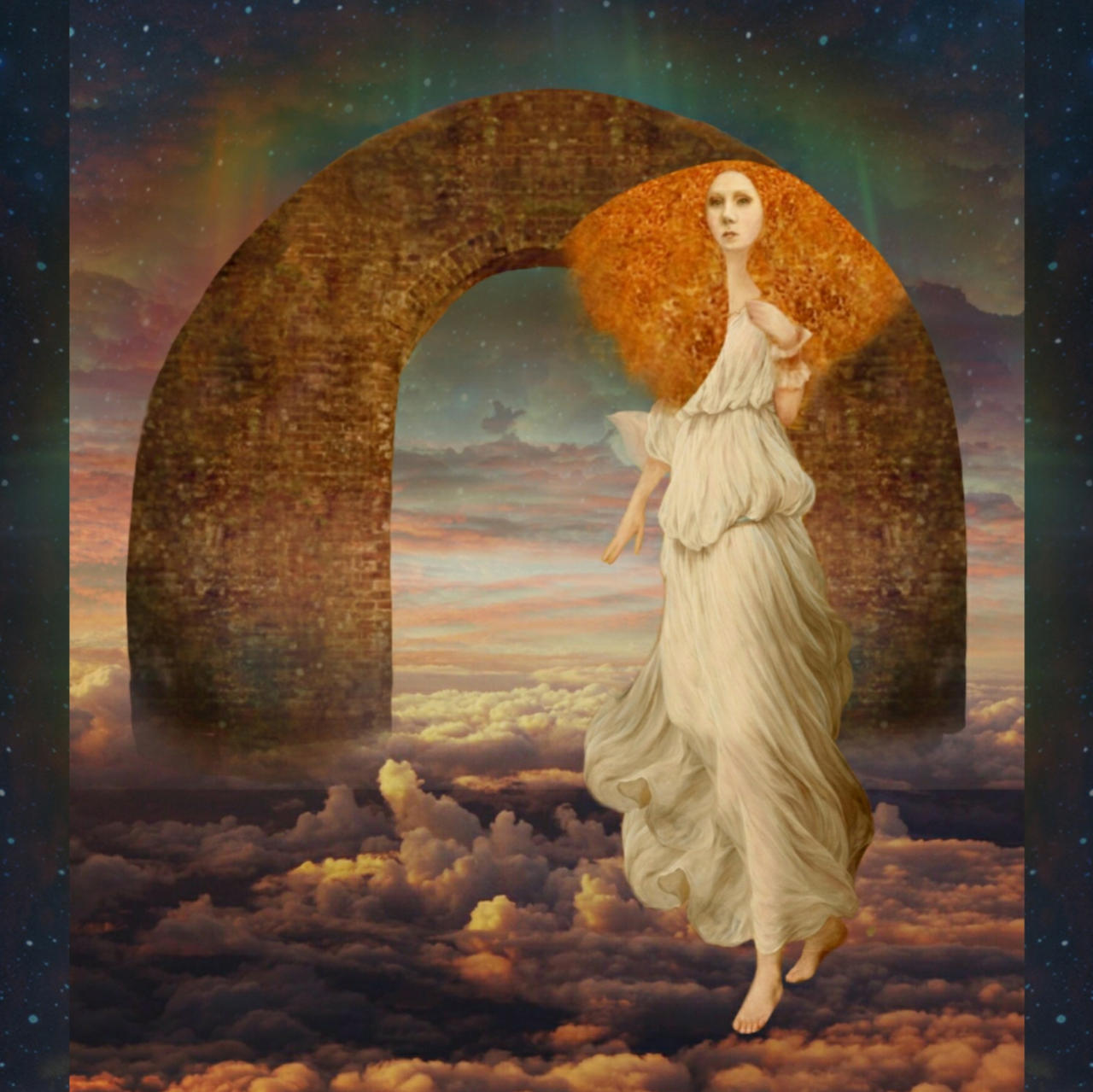
The true magic lies not in these cards in isolation but in their interplay. The Hermit’s solitary lantern illuminates the path the Hierophant treads, while the High Priestess’s moonlit wisdom tempers the Hierophant’s dogma. The High Priest, as the alchemist, bridges the gap between the structured teachings of the Hierophant and the fluid intuition of the High Priestess. Together, they form a cycle: the seeker withdraws (Hermit) to learn from tradition (Hierophant), then listens to the whispers of the soul (High Priestess), and finally integrates these lessons into a harmonious whole (High Priest). This synergy is beautifully captured in artworks where the cards are depicted in conversation, their symbols intertwining like vines. For instance, a painting might show the Hermit’s lantern casting light on the Hierophant’s pillars, while the High Priestess’s crescent moon hovers above, a silent overseer of the alchemical process.
Practical Applications: Invoking the Cards in Daily Life
These archetypes are not mere symbols; they are living energies that can guide decisions and illuminate challenges. To invoke the Hermit, set aside time for solitude—whether through meditation, journaling, or a digital detox. Ask: *What truth am I avoiding?* The Hierophant’s energy is useful when seeking mentorship or confronting ethical dilemmas. Consult a trusted guide or revisit foundational principles in your field of interest. For the High Priestess, pay attention to dreams, omens, or sudden insights. Keep a dream journal or practice divination to strengthen this intuitive muscle. The High Priest’s lesson is one of integration: Are you balancing logic with emotion? Structure with spontaneity? Use this card as a reminder to harmonize opposing forces in your life. A spread combining all four cards might ask: *Where do I need solitude? Where do I need guidance? What intuition should I trust? How can I bring balance to this situation?*
Conclusion
The Hermit, Hierophant, High Priestess, and High Priest are more than tarot trinkets—they are mirrors reflecting the eternal human quest for meaning. The Hermit teaches the value of retreat, the Hierophant the necessity of tradition, the High Priestess the power of intuition, and the High Priest the art of synthesis. Together, they form a roadmap for navigating life’s labyrinth, where each step—whether taken in solitude or guided by mentors—leads closer to the heart of wisdom. Embrace their lessons not as rigid rules but as fluid metaphors, and you’ll find that the greatest mysteries are not solved but lived.
FAQ
What does the Hermit card represent in a tarot reading?
The Hermit represents introspection, solitude, and the pursuit of inner wisdom. It often signals a need to withdraw and seek guidance from within.
How does the Hierophant differ from the Hermit in tarot symbolism?
While the Hermit symbolizes solitary inner reflection, the Hierophant represents tradition, structured wisdom, and mentorship within established systems.
What is the significance of the High Priestess in tarot?
The High Priestess embodies hidden knowledge, intuition, and the subconscious mind, inviting trust in inner wisdom and the unseen forces.
Who is the High Priest in tarot, and what does he symbolize?
The High Priest represents the alchemical union of opposites, balancing conscious and unconscious, masculine and feminine energies, emphasizing synthesis and integration.
How can the Hermit, Hierophant, High Priestess, and High Priest be used together in a tarot spread?
Together, these cards form a cycle of seeking solitude (Hermit), learning tradition (Hierophant), trusting intuition (High Priestess), and integrating lessons (High Priest), guiding personal growth and spiritual development.
Leave a Reply