Short Answer
Welcome to a profound exploration of the Jodorowsky Tarot, a mystical and transformative tool that bridges ancient wisdom with modern spirituality. In this comprehensive guide, you will uncover the deep mysticism behind the Jodorowsky Tarot, its unique symbolism, and how to interpret its cards for personal growth, self-discovery, and spiritual enlightenment. Whether you are a seasoned tarot reader or a curious beginner, this guide will illuminate the hidden layers of meaning within each card, revealing the profound messages they hold.
The Origins and Philosophy of the Jodorowsky Tarot
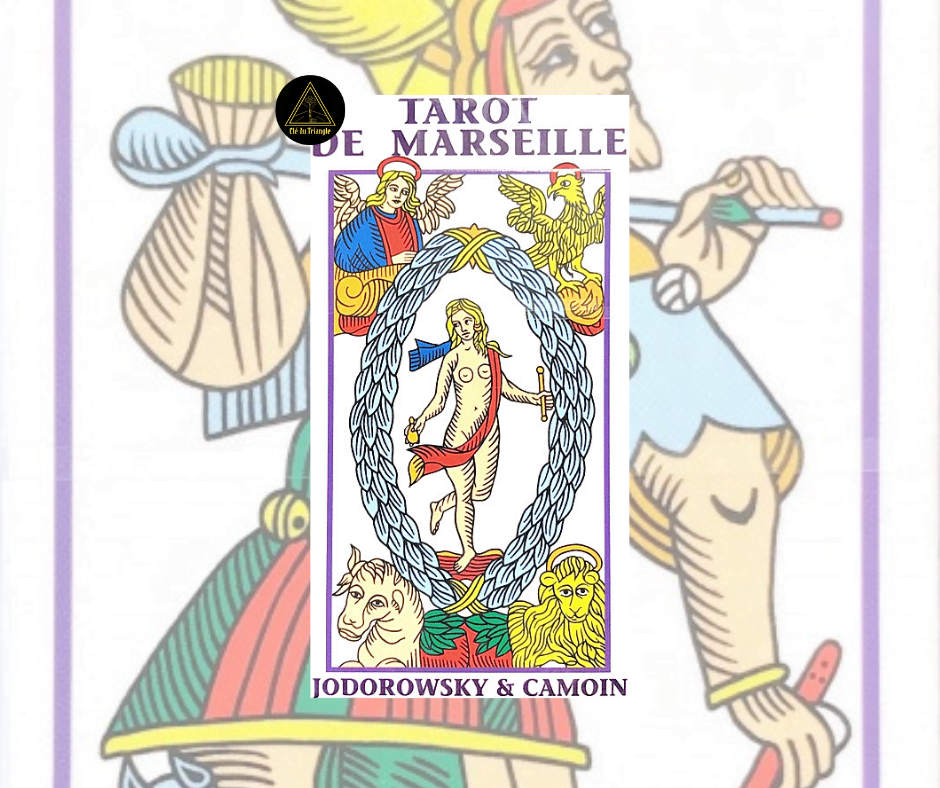
The Jodorowsky Tarot, created by the visionary filmmaker and spiritual teacher Alejandro Jodorowsky, is a modern reinterpretation of the traditional Tarot de Marseille. Unlike conventional tarot decks, Jodorowsky’s version is infused with his deep understanding of alchemy, psychology, and mysticism. The deck is designed to serve as a mirror to the soul, reflecting not just external circumstances but the inner workings of the human psyche. Jodorowsky’s philosophy emphasizes the tarot as a tool for self-awareness, healing, and transformation, making it a powerful instrument for those seeking to delve into the mysteries of their own consciousness.
The deck consists of 78 cards, divided into the Major Arcana and Minor Arcana, each carrying its own unique symbolism. The Major Arcana represents the journey of the Fool through life’s spiritual lessons, while the Minor Arcana explores the everyday experiences and challenges that shape our existence. Together, they form a comprehensive map of the human experience, offering insights into the past, present, and future.
Understanding the Major Arcana: The Fool’s Journey
The Major Arcana is the heart of the Jodorowsky Tarot, comprising 22 cards that tell the story of the Fool’s journey from innocence to enlightenment. Each card in this sequence represents a significant life lesson, archetype, or spiritual awakening. For example, The Magician symbolizes manifestation and personal power, while The High Priestess embodies intuition and hidden knowledge. The Tower, often feared, represents sudden change and the breaking down of illusions, paving the way for renewal.
To fully grasp the Major Arcana, it’s essential to view the cards as a narrative. The Fool begins his journey at card 0, The Fool, representing potential and new beginnings. As he progresses through the deck, he encounters challenges, relationships, and transformations that mirror the human experience. By studying the Major Arcana, you can gain a deeper understanding of your own life path and the spiritual lessons you are meant to learn.
Decoding the Minor Arcana: The Four Suits and Their Meanings
The Minor Arcana consists of 56 cards divided into four suits: Wands, Cups, Swords, and Pentacles. Each suit corresponds to an element and represents different aspects of human experience. Wands are associated with fire and creativity, Cups with water and emotions, Swords with air and intellect, and Pentacles with earth and materiality. Within each suit, the cards range from Ace to Ten, followed by the court cards (Page, Knight, Queen, King), each offering nuanced insights into daily life.
For instance, the Three of Cups signifies celebration and friendship, while the Five of Swords may indicate conflict or betrayal. The court cards represent personality traits or people in your life. The Queen of Pentacles, for example, embodies nurturing and abundance, while the Knight of Wands represents passion and adventure. By studying the Minor Arcana, you can gain clarity on the practical and emotional aspects of your life, helping you navigate challenges and opportunities with greater awareness.
The Jodorowsky Tarot Spreads: Unlocking Deeper Insights
One of the most powerful aspects of the Jodorowsky Tarot is its ability to reveal hidden truths through carefully designed spreads. Unlike simple one-card readings, spreads allow you to explore complex questions or situations in depth. A popular spread is the Celtic Cross, which provides a comprehensive overview of a situation, including past influences, present challenges, and future possibilities. Another effective spread is the Relationship Spread, which examines the dynamics between two people, highlighting strengths, weaknesses, and potential outcomes.
To use a spread effectively, it’s important to approach the cards with an open mind and a clear intention. Shuffle the deck while focusing on your question or the area of your life you wish to explore. Lay out the cards according to the spread’s layout, and then interpret their meanings in relation to each other. Pay attention to patterns, such as repeated suits or numbers, as these can offer additional insights. The Jodorowsky Tarot is particularly adept at revealing subconscious patterns and hidden motivations, making it an invaluable tool for self-reflection and growth.
Advanced Techniques: Alchemy and the Jodorowsky Tarot
For those seeking to deepen their connection with the Jodorowsky Tarot, advanced techniques such as alchemical interpretation can unlock even greater wisdom. Alchemy, the ancient practice of transformation, is deeply embedded in the symbolism of the tarot. Each card can be viewed through the lens of alchemical stages, such as Nigredo (decomposition), Albedo (purification), and Rubedo (integration). For example, The Hanged Man may represent the Nigredo stage, where old patterns must be released before transformation can occur.
Another advanced technique is the use of elemental dignities, which examines the relationships between cards based on their elemental associations. For instance, a card of fire (Wands) may be strengthened or weakened by cards of water (Cups) or air (Swords). This method adds a layer of complexity to your readings, allowing you to see how different energies interact and influence each other. By incorporating alchemical and elemental techniques, you can elevate your tarot practice to a more intuitive and transformative level.
Common Misconceptions and How to Avoid Them
While the Jodorowsky Tarot is a powerful tool, there are common misconceptions that can hinder your understanding and practice. One such misconception is the belief that the tarot predicts the future with absolute certainty. In reality, the tarot offers guidance and insights based on current energies and potential outcomes, not fixed destinies. Another misconception is that the tarot is inherently “good” or “bad.” The cards are neutral; their interpretation depends on the reader’s perspective and the context of the reading.
To avoid these pitfalls, approach the tarot with an open mind and a focus on self-awareness rather than fortune-telling. Remember that the tarot is a tool for empowerment, not a crutch for decision-making. Use it to gain clarity, but always trust your own intuition and judgment. Additionally, avoid relying solely on guidebooks for interpretations. The Jodorowsky Tarot is highly symbolic, and its meanings can vary greatly depending on the individual and the situation. Trust your instincts and allow the cards to speak to you personally.
Conclusion
The Jodorowsky Tarot is more than just a deck of cards; it is a gateway to the depths of the human soul. Through its rich symbolism, profound philosophy, and transformative potential, it offers a path to self-discovery, healing, and spiritual growth. Whether you are drawn to the Major Arcana’s archetypal journey or the Minor Arcana’s practical insights, this tarot deck provides a mirror to your inner world, reflecting both your light and shadow.
As you continue your exploration of the Jodorowsky Tarot, remember that the true magic lies not in the cards themselves, but in your willingness to engage with them honestly and openly. Let the tarot be your guide as you navigate life’s mysteries, and allow its wisdom to illuminate your path forward. With each reading, you will deepen your connection to the deck and, ultimately, to yourself. Embrace the journey, and let the Jodorowsky Tarot reveal the profound mysticism that lies within.
FAQ
What is the Jodorowsky Tarot?
The Jodorowsky Tarot is a modern reinterpretation of the traditional Tarot de Marseille created by Alejandro Jodorowsky, combining elements of alchemy, psychology, and mysticism.
How does the Jodorowsky Tarot differ from other tarot decks?
It emphasizes tarot as a tool for self-awareness, healing, and transformation rather than fortune-telling, with rich symbolism drawn from alchemy and psychology.
What are the main components of the Jodorowsky Tarot?
The deck consists of 78 cards divided into the Major Arcana, representing spiritual lessons, and the Minor Arcana, representing everyday experiences through four suits.
Can beginners use the Jodorowsky Tarot effectively?
Yes, but it requires openness and intuition as the deck’s symbolism is deep and often symbolic, making it suitable for both beginners and seasoned readers.
What advanced techniques can be used with the Jodorowsky Tarot?
Advanced techniques include alchemical interpretation of cards and elemental dignities, which analyze relationships between cards based on their elemental associations.
Leave a Reply