Short Answer
Ever wondered what secrets lie within the Major Arcana? These 22 trump cards are more than just illustrations—they’re gateways to self-discovery, cosmic messages, and life’s grand lessons. Whether you’re a seasoned tarot enthusiast or a curious beginner, this guide will unravel the mysteries of the Major Arcana, from their symbolic meanings to their role in readings. And here’s a playful question to ponder: What if the Major Arcana isn’t just about fortune-telling, but about mastering the art of living? Let’s dive in!
The Essence of the Major Arcana
The Major Arcana consists of 22 cards, each representing a pivotal moment, archetype, or spiritual lesson in the tarot deck. Unlike the Minor Arcana, which focuses on everyday events, these cards delve into the deeper currents of life—birth, transformation, challenges, and enlightenment. They’re often called “trump cards” because they hold more weight in a reading, symbolizing major life themes.
Think of the Major Arcana as a journey. It begins with The Fool (Card 0), the carefree spirit stepping into the unknown, and ends with The World (Card 21), the culmination of wisdom and fulfillment. Each card in between acts as a chapter in this epic tale, offering insights into your path, choices, and potential.
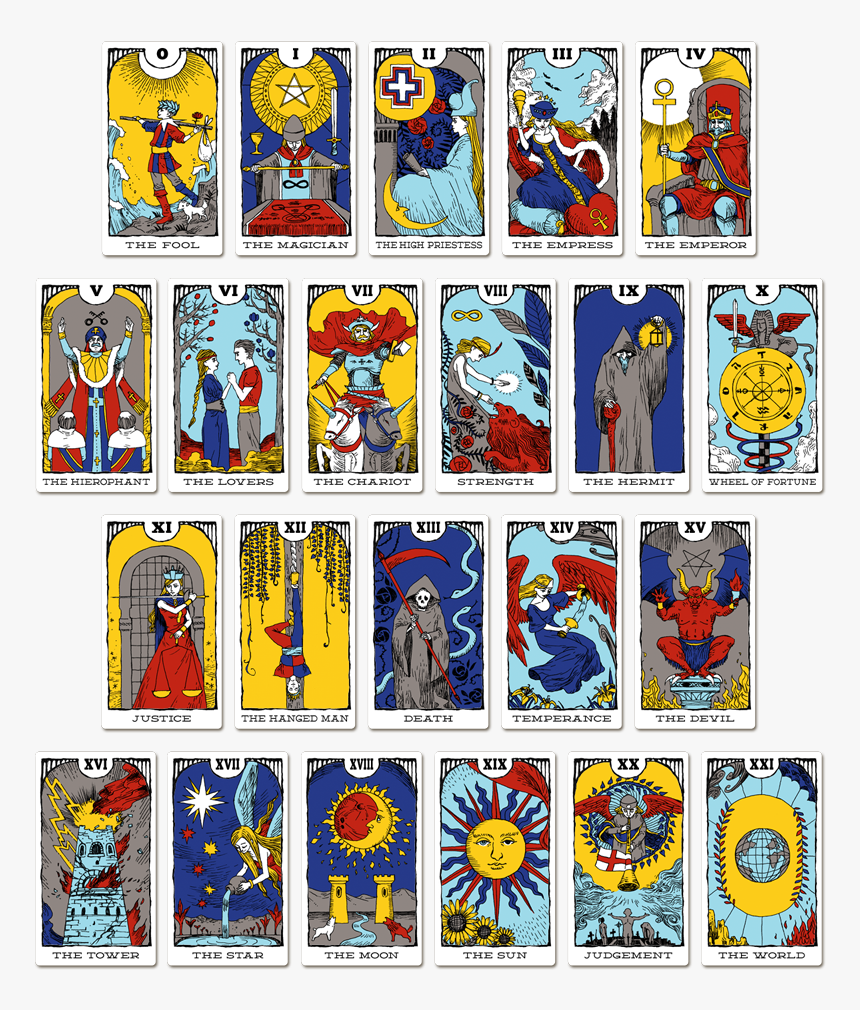
Meet the Major Arcana: A Card-by-Card Breakdown
Let’s explore the 22 cards and their core meanings. Remember, interpretations can vary, but these are the traditional themes associated with each:
The Fool (0)
The Fool represents spontaneity, new beginnings, and a leap of faith. It’s the card of infinite potential—where curiosity and innocence lead the way. Picture a traveler at the edge of a cliff, unaware of the fall but trusting the universe. This card encourages you to embrace adventure without overthinking.
The Magician (I)
The Magician is the master of manifestation. With tools at their disposal—a wand, cup, sword, and pentacle—this card symbolizes resourcefulness, willpower, and the ability to turn ideas into reality. It’s a reminder that you have all the skills needed to achieve your goals.
The High Priestess (II)
The High Priestess embodies intuition, mystery, and hidden knowledge. She sits between the light and dark pillars of the temple, urging you to trust your inner voice and explore the subconscious. This card often appears when you need to listen to your gut feeling.
The Empress (III)
The Empress is the archetype of nurturing, creativity, and abundance. She represents motherhood, nature, and the fertile energy that brings ideas to life. In a reading, she may signal a time of growth, whether in relationships, projects, or personal development.
The Emperor (IV)
The Emperor stands for structure, authority, and leadership. He’s the disciplined father figure who provides stability and order. This card can indicate the need for boundaries, rules, or taking charge of a situation with confidence.
The Hierophant (V)
The Hierophant represents tradition, spirituality, and guidance from mentors or institutions. It’s the card of seeking wisdom from established systems—whether religious, educational, or cultural. This card may suggest a need for moral or ethical clarity.
The Lovers (VI)
The Lovers isn’t just about romance; it’s about choices, harmony, and alignment. It can signify a union of opposites, a decision between heart and mind, or a moment of deep connection with someone or yourself. This card celebrates love in all its forms.
The Chariot (VII)
The Chariot is all about determination and victory. It depicts a warrior riding a chariot pulled by two sphinxes, symbolizing the balance of opposing forces (e.g., logic vs. emotion). This card signals success through perseverance and focus.
Strength (VIII)
Strength teaches that true power comes from compassion, patience, and inner resilience. The card shows a woman gently taming a lion, illustrating how gentleness can overcome brute force. It’s a call to master your emotions and fears.
The Hermit (IX)
The Hermit is the seeker of truth. Cloaked in solitude, this card represents introspection, soul-searching, and wisdom gained through experience. It often appears when you need to retreat, reflect, and find your own answers.
Wheel of Fortune (X)
The Wheel of Fortune is the card of cycles, fate, and change. It reminds you that life is a series of ups and downs, and luck is often a matter of perspective. This card encourages adaptability and trust in the natural flow of life.
Justice (XI)
Justice embodies fairness, truth, and accountability. It’s about cause and effect—what you sow, you reap. In a reading, it may highlight the need for honesty, legal matters, or karmic balance.
The Hanged Man (XII)
The Hanged Man is a card of surrender and new perspectives. Suspended upside down, he sees the world differently. This card suggests letting go, releasing control, and gaining insight through sacrifice or delay.
Death (XIII)
Death isn’t about literal endings but transformation. It’s the phoenix rising from ashes—an inevitable part of growth. This card signals the end of a phase, making way for rebirth and renewal.
Temperance (XIV)
Temperance is the alchemist’s art: balance, moderation, and harmony. It represents blending opposites—fire and water, spirit and matter—to create something greater. This card encourages patience and finding the middle path.
The Devil (XV)
The Devil symbolizes bondage, materialism, and unhealthy attachments. It’s not about evil but about the chains we create—addictions, toxic relationships, or limiting beliefs. This card asks you to recognize and break free from what holds you back.
The Tower (XVI)
The Tower is the card of sudden upheaval and revelation. A lightning strike shatters the tower, forcing you to confront harsh truths. While disruptive, it clears the way for a stronger foundation.
The Star (XVII)
The Star
The Star is hope, inspiration, and healing. After the chaos of The Tower, this card offers a beacon of light. It represents faith in the universe, spiritual guidance, and renewed optimism.
The Moon (XVIII)
The Moon delves into the subconscious—illusions, fears, and hidden emotions. It’s a card of intuition but also deception. Pay attention to dreams, gut feelings, and the messages your psyche is sending.
The Sun (XIX)
The Sun is pure joy, success, and vitality. It banishes shadows, bringing clarity, warmth, and childlike wonder. This card often appears in readings about happiness, creativity, or a bright new chapter.
Judgement (XX)
Judgement is the call to awakening. A trumpet sounds, and figures rise from their graves—symbolizing rebirth, forgiveness, and a higher purpose. This card marks a moment of reckoning and transformation.
The World (XXI)
The World is the final card of the Major Arcana, representing completion, wholeness, and fulfillment. It’s the dancer in a wreath of laurels, celebrating mastery and the end of a significant cycle. This card often signals achievement or the closing of a chapter.
How to Use the Major Arcana in Readings
The Major Arcana isn’t just for fortune-telling—it’s a tool for self-reflection and guidance. Here’s how to incorporate it into your practice:
- Single-Card Pulls: Draw one card daily to reflect on its message. For example, pulling The Lovers might prompt you to consider a relationship or choice.
- Spreads: Use the Major Arcana in spreads like the Celtic Cross to explore life themes. Cards like The Tower or Death in a spread may indicate major shifts ahead.
- Timing: Some readers associate the Major Arcana with timelines. For instance, cards like The Chariot or The Star might suggest progress or hope in the near future.
- Shadow Work: Cards like The Devil or The Moon can highlight areas needing healing or confrontation.
Challenge yourself: Next time you pull a Major Arcana card, ask, “What is this card teaching me about my journey?”
Common Misconceptions and Challenges
Despite its popularity, the Major Arcana is often misunderstood. Here are a few pitfalls to avoid:
- Fear of “Bad” Cards: Cards like The Tower or Death aren’t omens of doom. They’re catalysts for growth—disruptive, but necessary.
- Over-Reliance on Predictions: The Major Arcana offers guidance, not fixed outcomes. Your choices shape your path.
- Ignoring Reversed Meanings: While upright cards have traditional meanings, reversed cards (upside-down) can reveal blocked energy or internal struggles. For example, Reversed The Empress might indicate neglecting self-care.
- Forcing Meanings: Don’t rigidly apply textbook definitions. Let the imagery and your intuition guide you.
A playful challenge: Try interpreting a Major Arcana card without looking up its meaning first. What does the image evoke for you?
Conclusion
The Major Arcana is a mirror to the soul, reflecting the universal human experience in 22 vivid archetypes. From the boundless potential of The Fool to the serene completion of The World, these cards offer a roadmap for navigating life’s twists and turns. They remind us that every challenge is a lesson, every ending a new beginning, and every moment a chance to grow.
So, the next time you encounter a Major Arcana card, pause and ask: What is this card revealing about my path? How can I embody its wisdom? The answers may surprise you.
FAQ
What are the Major Arcana cards in tarot?
The Major Arcana consists of 22 trump cards in a tarot deck that represent significant life lessons, archetypes, and spiritual themes.
How is the Major Arcana different from the Minor Arcana?
The Major Arcana focuses on major life events and spiritual lessons, while the Minor Arcana deals with everyday situations and details.
Can the Major Arcana be used for daily guidance?
Yes, one can draw a single Major Arcana card daily to reflect on its message and gain insight into their life journey.
What does it mean if a Major Arcana card appears reversed in a reading?
While this article does not cover reversed cards, generally, reversed Major Arcana cards may indicate blocked energy, delays, or challenges related to the card's upright meaning.
Leave a Reply