Short Answer
Welcome to this comprehensive guide on the Queen of Cups meaning, with a specific focus on the tendency to be “too nice.” If you’ve ever felt like you’re always putting others first, often at the expense of your own needs, this exploration will help you understand why this happens and how to navigate it. You’ll discover the deeper reasons behind this behavior, its spiritual and emotional implications, and practical ways to find balance. By the end, you’ll have a clearer perspective on how to embrace your nurturing side without losing yourself in the process.
The Queen of Cups: A Symbol of Compassion and Empathy
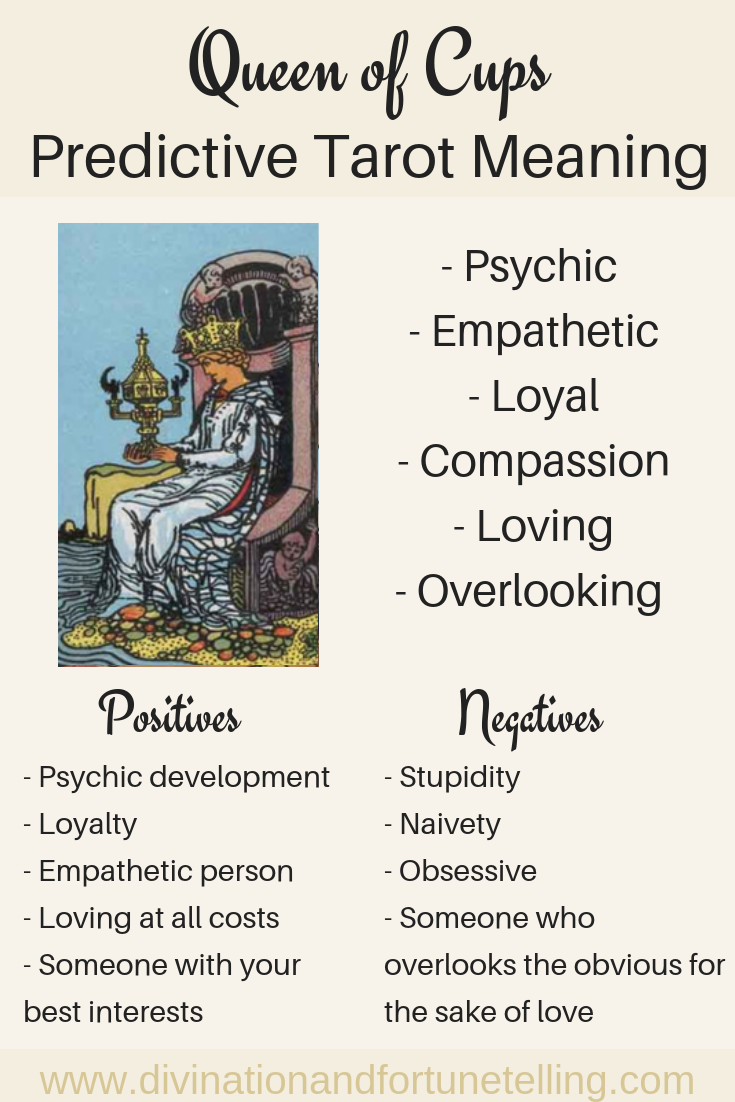
The Queen of Cups is one of the most emotionally intuitive cards in the tarot deck. Representing deep empathy, compassion, and emotional intelligence, she embodies the nurturing energy of water signs like Cancer, Scorpio, and Pisces. When this card appears in a reading, it often highlights someone who is highly attuned to the feelings of others—sometimes to the point of absorbing their emotions as if they were their own. This can lead to a pattern of being “too nice,” where the individual prioritizes harmony and others’ happiness over their own well-being.
Her presence in a spread may also indicate a person who is psychic or highly sensitive, picking up on subtle emotional cues that others miss. While this gift is powerful, it can also be overwhelming, especially when boundaries are not clearly defined. The Queen of Cups teaches us that empathy is a strength, but it must be balanced with self-care to avoid emotional exhaustion.
Why Being “Too Nice” Can Be a Double-Edged Sword
Being overly accommodating often stems from a deep desire to be liked, accepted, or needed. For many, it feels safer to suppress their own needs to avoid conflict or disappointment. However, this behavior can lead to resentment over time, as the individual may feel unappreciated or taken for granted. The Queen of Cups reminds us that while kindness is a virtue, it should not come at the cost of self-respect.
Another reason people fall into the “too nice” trap is the fear of being perceived as selfish. Society often praises those who are selfless, but this can create an imbalance where personal boundaries are blurred. The Queen of Cups encourages us to recognize that setting limits is not an act of cruelty—it’s a necessary part of maintaining healthy relationships. Without boundaries, even the most loving connections can become draining.
The Spiritual and Emotional Roots of Over-Nurturing
From a spiritual perspective, the Queen of Cups’ tendency to over-nurture may be linked to past experiences where love was conditional. If someone grew up feeling that their worth was tied to how much they gave to others, they may unconsciously replicate this pattern in adulthood. This card can also appear when there’s a need to heal emotional wounds by offering the same compassion to oneself that is so freely given to others.
Emotionally, this behavior often masks deeper insecurities. The fear of rejection or abandonment can drive a person to overcompensate by being excessively giving. However, the Queen of Cups teaches that true love is not about performance—it’s about authenticity. By acknowledging these underlying fears, one can begin to shift from people-pleasing to genuine self-acceptance.
Signs You Might Be the “Too Nice” Queen of Cups
Recognizing this pattern is the first step toward change. Some common signs include:
- Saying “yes” when you mean “no.” This is a classic sign of over-nurturing, where the fear of disappointing others outweighs your own needs.
- Feeling resentful after helping others. If you often feel drained or bitter after being generous, it’s a sign that your giving is not coming from a balanced place.
- Ignoring your own emotions to keep the peace. Suppressing your feelings to avoid conflict can lead to emotional burnout.
- Attracting takers rather than givers. If your relationships feel one-sided, it may be because your kindness is being exploited.
If any of these resonate with you, the Queen of Cups is gently urging you to reassess your approach to giving and receiving love.
How to Embrace the Queen of Cups Without Losing Yourself
Balancing the Queen of Cups’ nurturing energy with healthy boundaries is key to avoiding emotional depletion. Here are some practical steps to achieve this:
1. Practice the Art of Saying No. Start small by declining requests that don’t align with your priorities. Remember, “no” is a complete sentence.
2. Check in with Your Emotions Regularly. Before agreeing to help someone, ask yourself: “Do I *want* to do this, or am I doing it out of guilt?”
3. Set Clear Boundaries. Communicate your limits openly. For example, “I’d love to help, but I can only commit to this much time.”
4. Prioritize Self-Care. The Queen of Cups thrives on giving, but she must also receive. Schedule time for activities that recharge you, whether it’s meditation, journaling, or simply resting.
5. Reframe Your Self-Worth. Your value isn’t determined by how much you do for others. Shift your focus to self-love and recognize that your needs are just as important.
The Deeper Lesson: Love Without Sacrifice
The Queen of Cups’ journey is ultimately about learning that love doesn’t require self-erasure. True compassion includes honoring your own needs while still being there for others. This card teaches that when you take care of yourself first, you become an even more stable and loving presence in the lives of those around you.
By embracing the Queen of Cups’ wisdom without falling into the trap of over-nurturing, you’ll find a deeper sense of fulfillment. You’ll attract relationships that are reciprocal, where love flows freely in both directions. And most importantly, you’ll learn that being “too nice” isn’t a virtue—it’s a sign that you’re ready to step into a more balanced, empowered version of yourself.
Conclusion
The Queen of Cups is a powerful reminder that empathy and kindness are gifts, but they must be balanced with self-respect. If you’ve been struggling with the tendency to be “too nice,” know that this pattern can be transformed into a source of strength rather than exhaustion. By setting boundaries, prioritizing self-care, and reframing your self-worth, you’ll embody the Queen of Cups’ true essence—not as someone who gives until they’re empty, but as someone who loves deeply while staying whole.
FAQ
What does the Queen of Cups represent in tarot?
The Queen of Cups represents emotional intelligence, compassion, empathy, and nurturing energy, often linked to water signs.
Why might the Queen of Cups indicate being 'too nice'?
This card can signal a tendency to prioritize others' needs so much that one neglects their own, leading to over-nurturing and emotional exhaustion.
How can I balance the nurturing energy of the Queen of Cups without losing myself?
By setting clear boundaries, practicing saying no, prioritizing self-care, and reframing self-worth to include your own needs.
What are signs that I might be over-nurturing like the Queen of Cups?
Signs include saying yes when you want to say no, feeling resentful after helping, ignoring your emotions to keep peace, and attracting one-sided relationships.


Leave a Reply