Short Answer
In this guide, you will explore the rich tapestry of African Tarot meanings, uncovering unique symbols and cultural insights that set these decks apart from traditional Western interpretations. You’ll learn how African Tarot reflects ancestral wisdom, spiritual traditions, and the deep connection between symbolism and cultural identity. By the end, you’ll understand why these decks resonate so deeply with those seeking a more holistic and culturally grounded approach to divination.
The Significance of African Tarot in Modern Divination
African Tarot decks are more than just tools for divination—they are vessels of cultural heritage and spiritual wisdom. Unlike conventional Tarot, which often draws from European esoteric traditions, African Tarot incorporates symbols rooted in African cosmology, mythology, and oral traditions. These decks serve as a bridge between the past and present, allowing practitioners to connect with ancestral knowledge while navigating contemporary life. The fascination with African Tarot stems from its ability to offer a fresh perspective on universal themes like destiny, healing, and community, framed within an African worldview.
Key Symbols in African Tarot and Their Meanings
African Tarot decks are rich with symbols that carry profound meanings, often tied to specific cultural or spiritual contexts. Below are some of the most significant symbols found in these decks and their interpretations:
The Ankh: Symbol of Life and Immortality
The Ankh, an ancient Egyptian hieroglyph, represents eternal life, divine breath, and the union of masculine and feminine energies. In African Tarot, the Ankh often appears as a reminder of the interconnectedness of all things and the cyclical nature of existence. It encourages seekers to embrace life’s transitions with faith and resilience.
The Adinkra Symbols: Wisdom and Unity
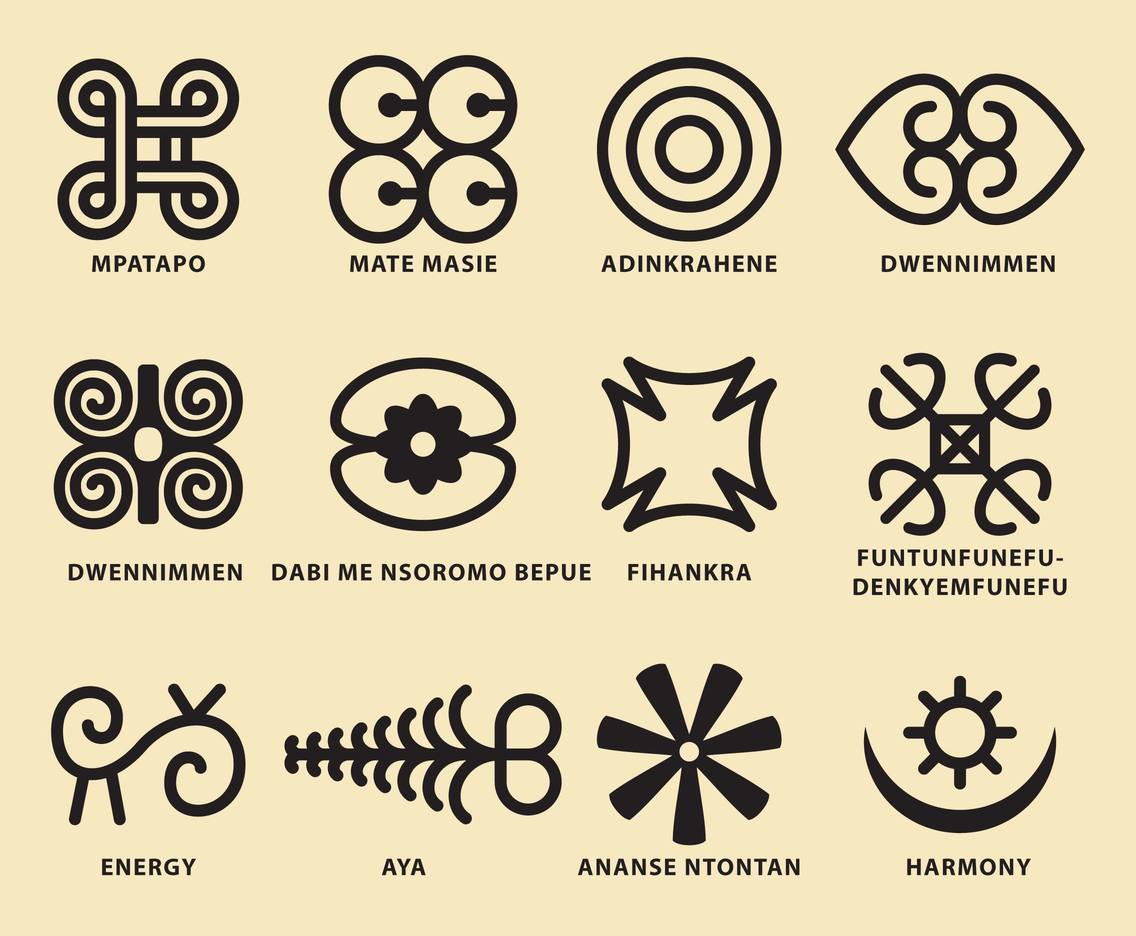
Adinkra symbols, originating from West Africa, are visual representations of proverbs, wisdom, and life lessons. In African Tarot, these symbols are often integrated into the Minor Arcana to convey specific messages. For example, the Gye Nyame symbol (meaning “Except for God”) represents faith and divine sovereignty, while the Sankofa bird (looking backward while moving forward) symbolizes the importance of learning from the past to shape the future.
The Baobab Tree: Strength and Resilience
The Baobab tree is a revered symbol in many African cultures, representing endurance, wisdom, and the interconnectedness of life. In African Tarot, the Baobab often appears as a grounding force, reminding seekers of their inner strength and the importance of community support. Its deep roots and expansive canopy mirror the balance between stability and growth.
Cultural Insights: How African Tarot Differs from Traditional Decks
African Tarot decks distinguish themselves through their emphasis on communal values, ancestral reverence, and a holistic view of spirituality. Unlike Western Tarot, which often focuses on individualism and linear progression, African Tarot reflects a worldview where community, ancestors, and the natural world play integral roles in personal and collective destiny. This cultural lens offers a refreshing alternative for those seeking a more inclusive and spiritually diverse approach to divination.
For instance, the Major Arcana in African Tarot may include archetypes like the Ancestral Guide or the Healer, reflecting roles that are deeply embedded in African spiritual practices. These archetypes emphasize the importance of guidance from those who came before and the power of healing—not just for the individual, but for the community as a whole.
Practical Applications: Using African Tarot for Personal and Spiritual Growth
African Tarot can be used in various ways to foster personal and spiritual growth. Whether you’re a seasoned practitioner or new to divination, these decks offer a unique pathway to self-discovery and connection. Below are some practical ways to incorporate African Tarot into your practice:
Journaling and Reflection
Use African Tarot as a tool for journaling, drawing a card each day to reflect on its message in relation to your life. Pay attention to the symbols and their cultural significance, and consider how they resonate with your current challenges or aspirations. This practice can deepen your understanding of both the Tarot and your own spiritual journey.
Meditation and Visualization
Incorporate African Tarot into meditation by focusing on a specific card or symbol. Visualize its imagery and contemplate its meaning in the context of your life. For example, meditating on the Sankofa bird can help you reflect on past experiences that hold valuable lessons for your present path.
Rituals and Ceremonies
African Tarot can also be used in rituals to honor ancestors or seek guidance from spiritual guides. Place the deck on an altar dedicated to your ancestors, and draw a card as an offering or a message from the other side. This practice can strengthen your connection to your heritage and deepen your spiritual practice.
Why African Tarot Resonates with Seekers Worldwide
The growing fascination with African Tarot is not merely a trend—it reflects a deeper yearning for spiritual diversity and cultural authenticity. In a world where many seekers feel disconnected from traditional systems, African Tarot offers a sense of belonging and a reminder of the richness of African spiritual traditions. Its symbols and archetypes speak to universal human experiences, such as the search for meaning, the power of community, and the resilience of the human spirit.
Moreover, African Tarot challenges the dominance of Eurocentric interpretations in divination, providing a space for marginalized voices and perspectives. This inclusivity has made it particularly appealing to those who seek a more balanced and representative approach to spirituality.
Conclusion
African Tarot decks are a powerful testament to the enduring legacy of African spiritual traditions. By exploring their unique symbols and cultural insights, you gain not only a tool for divination but also a deeper connection to the wisdom of the ancestors. Whether you’re drawn to the Ankh, the Adinkra symbols, or the Baobab tree, each element in these decks carries a story and a lesson waiting to be uncovered. As you integrate African Tarot into your practice, you’ll find that it offers more than just answers—it offers a pathway to self-discovery, healing, and a renewed sense of cultural pride.
FAQ
What is African Tarot?
African Tarot is a style of Tarot deck that incorporates symbols and cultural insights from African spiritual traditions, offering a unique approach to divination.
How do African Tarot symbols differ from traditional Tarot symbols?
African Tarot symbols are deeply tied to African cosmology and cultural heritage, such as the Ankh and Adinkra symbols, differing from the European esoteric imagery common in traditional decks.
Can African Tarot be used for meditation and rituals?
Yes, African Tarot cards can be used for meditation, journaling, and spiritual rituals that honor ancestors and seek guidance.
Why choose African Tarot over other Tarot decks?
African Tarot offers a culturally grounded and inclusive perspective that resonates with those seeking connection to African heritage and a holistic worldview.
Leave a Reply