Short Answer
The Death Tarot card often evokes fear and misunderstanding, but its true essence lies in transformation, renewal, and profound change. In this guide, you’ll uncover the deeper meanings behind the Death card, exploring how it symbolizes shifts in perspective, personal evolution, and the promise of a fresh start. Whether you’re seeking clarity in love, career, or personal growth, understanding this card can illuminate paths to meaningful change. By the end, you’ll see why Death is not an ending—but a powerful beginning.
The Death Tarot Card: A Symbol of Transformation
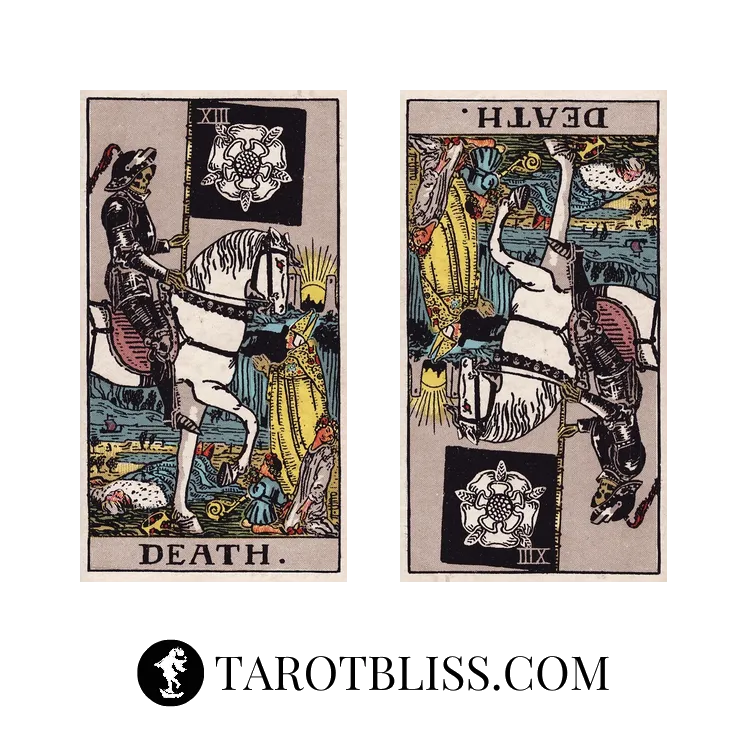
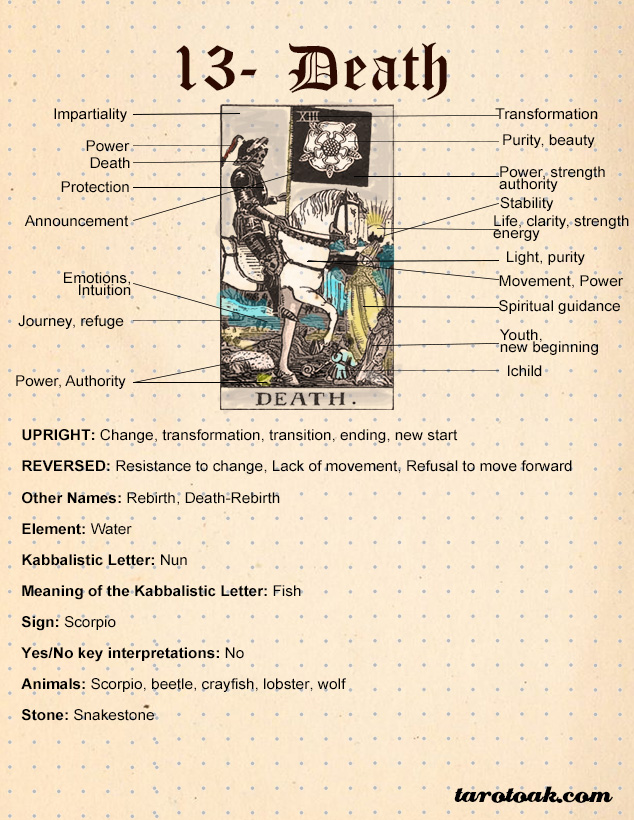
The Death card, often depicted as a skeletal figure riding a white horse, is one of the most misunderstood cards in the Tarot deck. Contrary to popular belief, it does not signify physical death or literal endings. Instead, it represents metamorphosis—a process of shedding old habits, beliefs, or situations to make way for growth. The white horse symbolizes purity and the inevitability of change, while the rising sun in the background hints at new beginnings. This card is a reminder that transformation is a natural part of life, and resistance to it only prolongs discomfort.
In readings, the Death card signals that a significant shift is on the horizon. This could manifest as the end of a relationship, a career change, or a spiritual awakening. The key is to embrace these changes rather than cling to the past. By releasing what no longer serves you, you create space for opportunities that align with your higher purpose.
How Death Tarot Meaning Differs Across Life Areas
The Death card’s influence varies depending on the context of your reading. Below, we explore its significance in key areas of life:
Love and Relationships
In matters of the heart, the Death card often indicates the end of a chapter—whether that’s a toxic relationship, a stagnant partnership, or an unfulfilling dynamic. It encourages you to let go of attachments that drain your energy and to welcome new, healthier connections. If you’re single, this card may suggest a period of self-discovery that prepares you for a more meaningful relationship. The message is clear: love requires growth, and growth sometimes demands release.
Career and Finances
Career-wise, the Death card can signal a major transition, such as leaving a job that no longer fulfills you, starting a new venture, or even a complete career overhaul. Financially, it may point to the need to cut unnecessary expenses or restructure your budget to align with your long-term goals. This card reminds you that change, though daunting, often leads to greater stability and success. Trust that the universe is guiding you toward opportunities that better suit your skills and passions.
Health and Well-being
When it comes to health, the Death card suggests a need for radical self-care and transformation. This could mean adopting a new fitness routine, changing your diet, or addressing mental health challenges with fresh strategies. It’s a call to release old patterns that no longer serve your well-being and to embrace habits that nurture your body and mind. If you’ve been feeling stuck in your health journey, this card is a sign that a breakthrough is possible.Interpreting the Death Card in a Reading
To fully grasp the Death card’s message, consider its position in a spread and the surrounding cards. Here’s how to interpret it in different contexts:
Upright Death
An upright Death card is a powerful omen of transformation. It confirms that change is not only coming but necessary for your evolution. This could feel unsettling at first, but it’s a sign that you’re being guided toward a brighter future. Pay attention to synchronicities and opportunities that arise during this time—your intuition will guide you toward the right path.
Reversed Death
When reversed, the Death card may indicate resistance to change or a fear of letting go. You might be clinging to the past, whether out of comfort or fear of the unknown. This card urges you to confront these emotions and take small steps toward acceptance. Ask yourself: What am I holding onto that no longer serves me? The answer could be the key to unlocking your next chapter.
The Spiritual Significance of Death Tarot
On a spiritual level, the Death card is deeply tied to rebirth and enlightenment. It represents the death of the ego—the part of you that resists change and clings to familiarity. By surrendering to this process, you open yourself to higher consciousness and a deeper connection with your true self. Meditation, journaling, or energy work can help you navigate this transformative phase with grace.
Many spiritual traditions view death as a transition rather than an end. The Death card aligns with this philosophy, reminding you that endings are merely gateways to new beginnings. Whether you’re experiencing a personal crisis or a collective shift, this card reassures you that you have the strength to emerge stronger and wiser.
Common Misconceptions About the Death Card
Despite its positive message, the Death card is often misunderstood. Here are a few myths debunked:
- It predicts physical death. While the card can indicate major life changes, it rarely points to literal death unless other cards in the spread confirm it.
- It’s always negative. The Death card is neutral—its energy can be challenging, but it’s ultimately transformative and healing.
- It means everything will fall apart. On the contrary, it signifies the collapse of what no longer serves you, making room for what does.
Conclusion
The Death Tarot card is a profound symbol of transformation, urging you to release the old to make way for the new. Whether it appears in a love reading, career spread, or spiritual inquiry, its message is consistent: change is not to be feared but embraced. By shifting your perspective and trusting the process, you’ll discover that endings are merely the prelude to new beginnings. The next time the Death card appears in your reading, remember—it’s not the end of your story, but the start of a more authentic, fulfilling chapter.
FAQ
What does the Death Tarot card symbolize?
The Death Tarot card symbolizes transformation, endings that lead to new beginnings, and the shedding of old habits or beliefs to make way for growth.
Does the Death card mean physical death?
No, the Death card rarely signifies actual physical death. Instead, it represents metaphorical endings and profound personal transformation.
How does the Death card apply to love readings?
In love readings, the Death card suggests the end of unhealthy relationships or dynamics and encourages embracing growth for healthier connections.
What is the significance of the Death card in career readings?
In career contexts, the Death card signals significant change such as leaving a job, starting a new venture, or restructuring financial priorities.
Leave a Reply