Short Answer
The world of tarot is a tapestry woven from symbolism, intuition, and personal reflection. Among the cards, the Death card often evokes a visceral reaction, especially when it appears in an inverted position. Signifying endings and transformation, the Death card in its upright form is frequently misconstrued as ominous or foreboding. However, the interpretation shifts drastically when it appears upside down, inviting a myriad of contemplative insights.
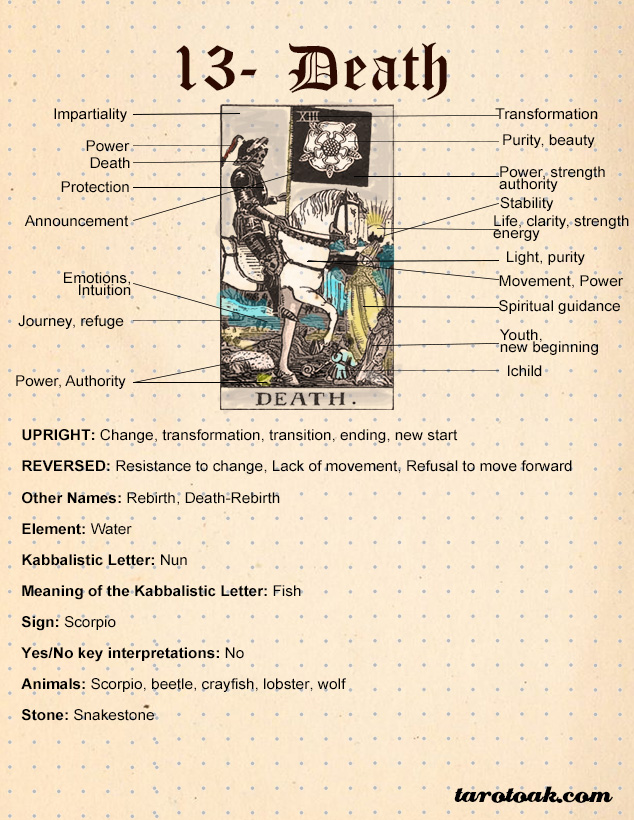
The Death card, symbolically represented by the Grim Reaper, is the thirteenth card in the Major Arcana and portrays a skeletal figure atop a white horse, often surrounded by flowers and figures representing various states of emotion. When inverted, the meanings can morph, reflecting not only individual circumstances but also broader themes that resonate within the collective psyche.
Common Observations: The Fascination with Rebirth
One common observation among tarot enthusiasts is the puzzling allure of the Death card, particularly in its upside-down state. This fascination can be partly attributed to humanity’s instinctual tussle with mortality and the unknown. While the upright card represents a profound transformation—a shedding of the old to make way for the new—the inverted version tends to evoke a sense of stagnation or reluctance to embrace change. This duality captures an essential aspect of human experience: the desire to evolve versus the fear of the unfamiliar.
Understanding the Inverted Death Card: Stagnation and Resistance
The upside-down Death card may indicate resistance to necessary endings that prompt personal growth. When viewed from this lens, the card invites reflection on areas where one clings to outdated beliefs, relationships, or circumstances. It suggests a state of denial, where individuals may refuse to let go despite clear signs that a transformation is required. This inertia can lead to a prolonged sense of dissatisfaction or unease.
Consider a scenario where someone remains tethered to an unfulfilling job, paralyzed by fear of instability or the unknown. The inverted Death card could illuminate these internal struggles: a clash between the soul’s desire for freedom and the mind’s insistence on security. The tension becomes palpable, underscoring the complexities of emotional attachments and the need for introspection.
Fear of Change and its Implications
The inverted Death card also raises questions about the fear of change itself. This fear may manifest in various spheres of life, resulting in self-imposed limitations. Individuals may find themselves trapped in cycles of indecision, unable to break free from the familiar even when the familiar becomes detrimental. Such hesitations often stem from a deeply ingrained worry of what lies beyond their current reality. The card, in this context, serves as a poignant reminder to confront these fears head-on.
Contrasting Energies: The Reflection of Inner Conflicts
Inverted, the Death card can mirror internal conflicts that simmer beneath the surface. It might suggest an individual grappling with unresolved feelings or unfinished business, thus signaling a need for healing and closure. The battles fought within oneself often manifest externally, affecting relationships and personal well-being. Recognizing such patterns becomes fundamental to breaking free from the chains of unresolved emotions.
Moreover, the presence of the inverted card can indicate a struggle for control. The desire to dictate every outcome clashes with the natural flow of life, leading to increased anxiety and frustration. This tension between seeking control and yielding to the unpredictable nature of existence is a dance that many find themselves in. The inverted Death card serves as a catalyst for re-evaluating this relationship with control.
New Beginnings: Reframing the Narrative
Despite its seemingly negative implications, the upside-down Death card also provides a unique opportunity for introspection and growth. Being confronted with the message of this card encourages individuals to reassess their circumstances. It provokes questions about what it means to truly let go and how one might initiate a rebirth in their life, even when it feels uncomfortable.
Consider it an invitation to explore what truly holds us back. Rather than accepting stagnation as fate, individuals can reframe their narratives. The card might suggest seeking support through counseling or community, thus fostering a sense of shared transition. Through interaction and dialogue, the emergence of fresh perspectives can illuminate pathways previously unseen.
Channeling the Inverted Energy: Actionable Steps
To traverse the challenges symbolized by the inverted Death card, actionable steps become vital. The first step involves acknowledging the areas in life that feel stagnant. Once identified, the next move is to assess the emotions tied to these aspects. Journaling can be an effective method to process feelings, allowing for greater clarity and understanding.
Additionally, fostering a mindset geared toward embracing change can be transformational. Mindfulness practices, such as meditation, may help in cultivating resilience and openness to the unfolding journey of life. Encouraging creativity—even in simple forms like art or writing—can serve as a therapeutic outlet for expressing those complex emotions often linked with fear and change.
Ultimately, the Death card, when inverted, serves as both a warning and a guide. It challenges the individual to face their fears of transformation, illuminating the path toward necessary endings that precede new beginnings. This dynamic interplay creates a profound space for growth and renewal, beckoning the individual to embody courage in the pursuit of personal evolution.
In essence, the Death card upside down is not simply about closure but a significant part of the journey toward understanding oneself more deeply. Through acceptance, reflection, and action, one can move beyond the confines of fear and find liberation within the cycles of life.
FAQ
What does the Death card upside down mean in a tarot reading?
The Death card upside down typically indicates resistance to change, stagnation, fear of transformation, or denial of necessary endings. It suggests the need for personal reflection and letting go to move forward.
Is the Death card upside down always negative?
No, while it can indicate fear or resistance, the inverted Death card also offers an opportunity for introspection, healing, and eventual growth by encouraging you to face fears and embrace necessary changes.
How can I work with the energy of the Death card reversed?
Acknowledging areas of stagnation, journaling emotions, practicing mindfulness, and seeking support through community or counseling can help channel the inverted Death card's energy constructively.
Leave a Reply