
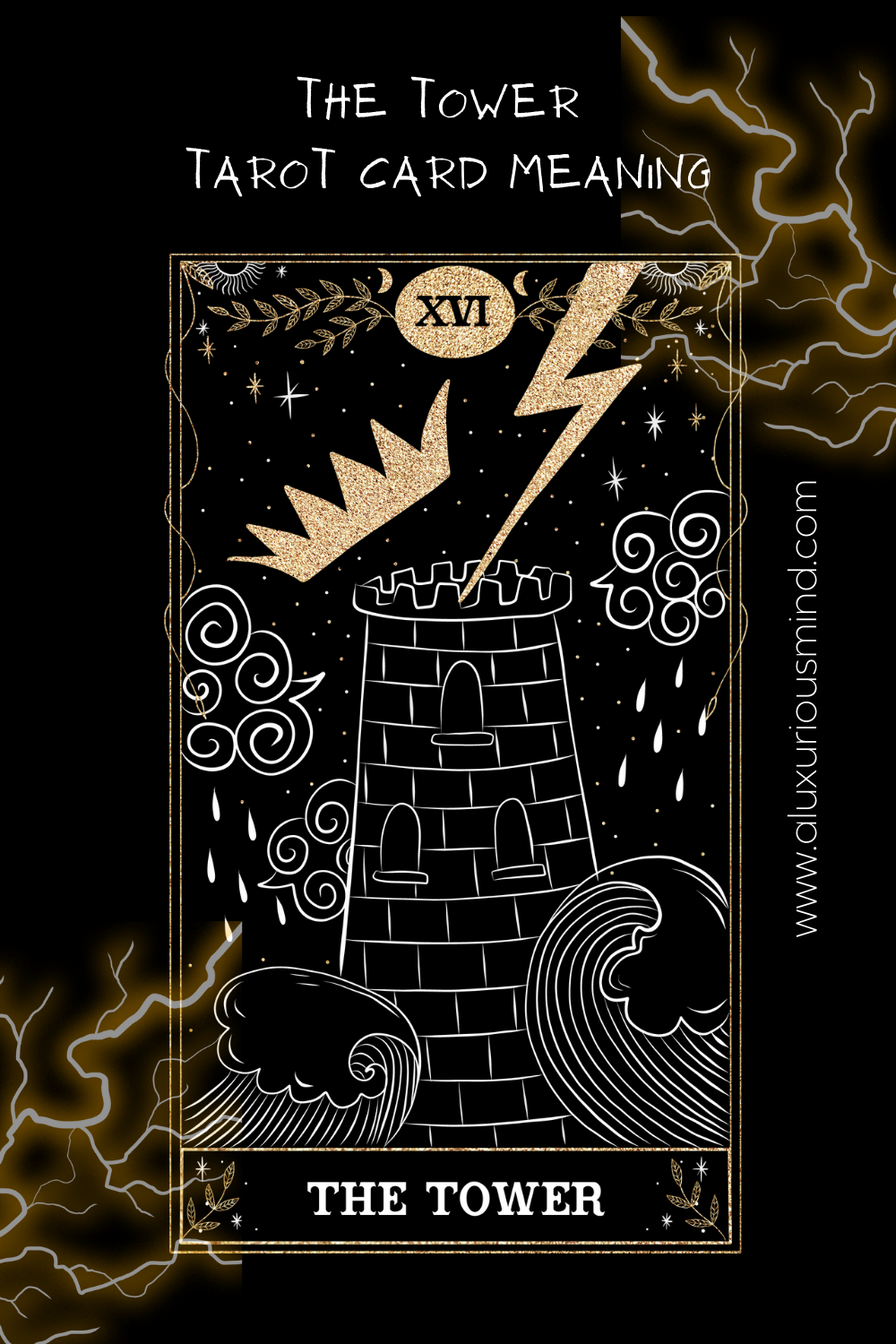
The Tower Tarot card, often regarded with trepidation within the realm of divination, embodies themes of upheaval, revelation, and profound change. From a Christian perspective, its meaning intertwines with biblical narratives and theological concepts, offering a unique lens through which to examine its implications. In exploring this card, it is essential to delve into its iconography, scriptural parallels, psychological impacts, transformative potential, and the lessons it imparts in the context of faith.
At the outset, let us consider the visual representation of The Tower Tarot card. Typically depicted as a tall, crumbling structure struck by lightning, flames erupting from its peak, and figures plunging into the abyss below, the imagery evokes a powerful sense of abruptness and devastation. This symbolism resonates within Christian theology, which often emphasizes the divine hand of God intervening in the world, leading to the dismantling of strongholds. Such destruction can parallel the catastrophic events in the Bible, such as the fall of Babylon or the demise of the Tower of Babel. In both cases, divine intervention underscores the fragility of human constructs in the face of higher spiritual truths.
From a theological standpoint, The Tower card can be viewed as a representation of divine justice and the dismantling of false idols or complacency. Just as the Israelites faced destruction and subsequently redemption, believers might interpret the presence of The Tower as a harbinger of necessary upheaval that precedes transformation. It suggests that trials and tribulations can purge the soul, akin to the biblical theme of being refined in fire—forged through adversity to emerge purified and resolute.
In a psychological context, this card may evoke feelings of vulnerability and fear. The suddenness of change can trigger a defensive response. Yet, it is vital to recognize that Christianity often posits disruption as a precursor to spiritual awakening. In the New Testament, the crashing of the old self to make way for the new creation as stated in 2 Corinthians 5:17 resonates deeply with the implications of The Tower. The destruction symbolized in the card illustrates a necessary shedding of outdated beliefs and ideologies, propelling individuals toward a more authentic relationship with the divine.
Transformation, at the heart of The Tower’s meaning, is intrinsic to the Christian faith. The narrative of Jesus’ resurrection serves as an epitome of this principle, demonstrating that death and destruction can lead to rebirth and renewal. For many Christians, The Tower injects a sense of hope amidst chaos. It beckons the faithful to embrace moments of disruption with the understanding that they facilitate growth. The challenge lies in fostering resilience and cultivating trust in divine providence, even when faced with calamity. This notion encourages believers to view The Tower not solely as a harbinger of chaos but as a catalyst for necessary reformation.
Emphasizing this transformative power, it is imperative to acknowledge the practical implications of the card in everyday life. When confronted with The Tower during a reading, Christians are advised to reflect on the areas in their lives requiring renewal. Is there a long-standing relationship that has become toxic? Perhaps it is time to let go of certain habits or ideologies that no longer serve one’s spiritual journey. The presence of The Tower invites the believer to engage in introspection, embracing a critical examination of their life choices in light of scriptural teachings. This scrutiny can ultimately lead to authenticity and alignment with God’s purpose.
Moreover, The Tower can serve as an awakening call to communities of faith as well. The institutional Church must remain vigilant against complacency. Regular self-examination is paramount to ensure that it does not become an embodiment of ritualistic tradition devoid of spiritual effectiveness. The card reminds believers that societal constructs—be they churches, organizations, or ideologies—can crumble under the weight of divine truth if they stray from their foundational purpose.
As we further navigate the intricacies of The Tower’s significance, it becomes evident that the card also carries a nuanced message regarding divine grace. The terrifying fall depicted on the card suggests that while destruction may be inevitable, God’s love and mercy remain ever-present. This profound grace is illustrated in the biblical narrative, where God extends redemption to those willing to repent and turn back to Him, even after suffering the consequences of their actions. The Tower urges those in its shadow to look beyond the immediate chaos towards the hope of restoration.
In conclusion, The Tower Tarot card, when viewed through a Christian lens, reveals layers of meaning that transcend mere destruction. It encapsulates the essence of upheaval as a necessary dimension of spiritual growth. The card encourages believers to confront uncomfortable truths, shed unproductive constructs, and embrace God’s transformative grace even in times of crisis. While uncertainty often reigns where The Tower dwells, it serves as a reminder that through faith, resilience, and surrender to divine purpose, what seems like devastation can manifest as the fertile ground for renewed life and faith. In this light, The Tower becomes a beacon of hope rather than a sign of despair, inviting believers to trust in the redemptive promises of their faith.





Leave a Comment