
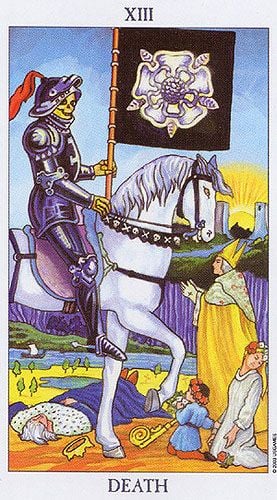
The Tarot card known as Death, more specifically its reversed position, evokes a plethora of interpretations, particularly when viewed through a Christian perspective. The imagery often conjures apprehension; however, a deeper exploration reveals profound implications that resonate with themes of resurrection, transformation, and new beginnings. This complexity prompts a reexamination of the traditional interpretations associated with death.
The Death card, traditionally seen as an omen of finality, in its reversed form suggests a halt to transformation or a resistance to inevitable change. For many, change is accompanied by discomfort. The Christian belief, however, encourages the faithful to view transformations not as endings, but as portals to new life—akin to the resurrection of Jesus Christ. This resurrection embodies the promise that every end harbors the seeds of a new beginning.
Understanding the reversal of the Death card echoes certain biblical principles. It embodies the idea of stagnation in spiritual growth. Christians are often encouraged to seek continual renewal, as it is through cycles of death and rebirth that individuals can attain salvation. The reversed Death card may signal a need for the faithful to reexamine their lives, steering them away from complacency. This is an invitation to shift one’s perspective and to embrace the fluidity of life with open arms.
When examining the implications of the reversed Death Tarot card, one must consider its relationship with fear. Fear of change is deeply rooted in human nature. It steers individuals towards resistance, stymieing progress. From a Christian viewpoint, however, it is essential to confront this fear. The Bible offers numerous narratives where divine intervention occurs precisely where hope seems extinguished. The story of Lazarus is a robust example, emphasizing that resurrection often comes after a period of sorrow and loss. Akin to Lazarus’s reawakening, the reversed position of the Death card encourages individuals to let go of their anxieties surrounding transformation. This can be viewed as a spiritual awakening, a resurrection of sorts, leading to profound self-reflection.
Moreover, the reversed Death card might imply an internal struggle against change that compels individuals towards self-examination. Christians believe that God operates in the quiet spaces of the heart. When the Death card is reversed, it can signify an opportunity to introspect, seeking guidance in prayer or meditation. The act of addressing inner turmoil is often catalyzed by periods marked by unease or uncertainty. Thus, this card can serve as a clarion call to surrender to divine will, reiterating that true faith lies in acceptance and understanding of God’s plan.
Additionally, the theme of release pervades the interpretation of the reversed Death card. To grasp the essence of this card requires an acknowledgment of what needs to be released. In a Christian context, this can pertain to the relinquishment of worldly attachments or toxic relationships that no longer serve a divine purpose. The act of letting go is reminiscent of John 12:24, where Jesus embodies the principle of falling to the ground and dying to yield much fruit. This paradox elucidates that death—or rather the cessation of certain conditions—culminates in extraordinary growth.
As such, one can contemplate the relationships in their lives through the perspective offered by the reversed Death card. Are there connections that require conscious evaluation? Are they fostering spiritual growth, or are they hindering it? The invitation here is clear: engage in your relationships with intention and grace, recognizing that not all bonds are meant to endure.
In the grand tapestry of cosmic existence, a recurring theme is rebirth. Even in its reversed position, the Death card serves as a reminder that transformation is essential. The Bible teaches about the importance of being born anew. John 3:3 emphasizes the necessity of being “born again” to perceive the Kingdom of God. When reflecting on the reversed Death card, a Christian may find the impetus to embark on a journey of renewal, encouraging oneself to shed previous doubts or fears and embrace a faith-filled future.
Furthermore, this Tarot card prompts a reevaluation of material pursuits. With its connotations of stagnation, the reversed Death card reminds Christians that true fulfillment rests in spiritual rather than material wealth. It accentuates the ephemerality of earthly possessions, urging individuals to cultivate attributes that enrich the soul. It gently nudges one towards a lifestyle rooted in gratitude and generosity, aligning with the teachings of Christ who was unwavering in His calls for selflessness and community service.
Delving into the reversed Death card also evokes questions on how one can foster a life in alignment with biblical values during times of turbulence. It presents an opportunity for believers to introspectively consider their commitments and practices. Are their daily actions reflective of Christ’s teachings? Furthermore, are they vocalizing their faith and being manifestations of love in a world often shadowed by despair?
In summation, the reversal of the Death card is an intricate tapestry woven with threads of renewal, transformation, and introspection. From the Christian perspective, it is a clarion call, urging believers to embrace change with vigilance and grace. Rather than viewing endings with trepidation, it invites an exploration of opportunity—encouraging both personal and spiritual growth. In grappling with the delicate balance between fear and faith, individuals can emerge fortified, ready to navigate the labyrinth of life with renewed vigor. Every shift offers a chance to reshape one’s path, a vibrant reminder that in every death, there lies the profound promise of rebirth.





Leave a Comment